Dietary Guidelines Fail to Deliver Flavanol Levels Linked to Heart Health: What You Need to Know
Current dietary guidelines fail to provide the specific flavanol levels linked to improved heart health, according to News-Medical. While standard “five-a-day” recommendations encourage fruit and vegetable intake, these broad targets often fall short of the nutrient concentrations required to trigger significant cardiovascular benefits, necessitating a more targeted approach to food selection.
Why Current Dietary Guidelines Fall Short on Flavanols
Standard nutritional advice typically focuses on the volume of produce consumed rather than the specific concentration of bioactive compounds. According to News-Medical, the general dietary guidelines fail to deliver flavanol levels linked to heart health because they prioritize overall caloric balance and basic vitamin intake over the high-dose phytonutrients required for vascular protection.
Flavanols are a subgroup of flavonoids, which are plant-based compounds known for their antioxidant properties. While most people consume some flavanols through a standard diet, the levels required to lower blood pressure or improve arterial elasticity are significantly higher than what is found in a generic serving of mixed vegetables. The gap exists because guidelines are designed for the general population’s baseline health rather than the targeted prevention of cardiovascular disease.
The discrepancy highlights a shift in nutritional science. For decades, health authorities focused on avoiding “bad” nutrients, such as saturated fats or excess sodium. However, current research suggests that the presence of “protective” nutrients, specifically flavanols, is equally critical. When guidelines suggest five portions of fruit and vegetables, they do not specify which ones contain the flavanols necessary for heart function, leading many consumers to meet the quantity goal without achieving the nutrient goal.
- Quantity vs. Quality: Meeting a “five-a-day” quota does not guarantee the intake of heart-specific phytonutrients.
- Guideline Lag: Official dietary recommendations often take years to integrate new clinical data regarding bioactive compounds.
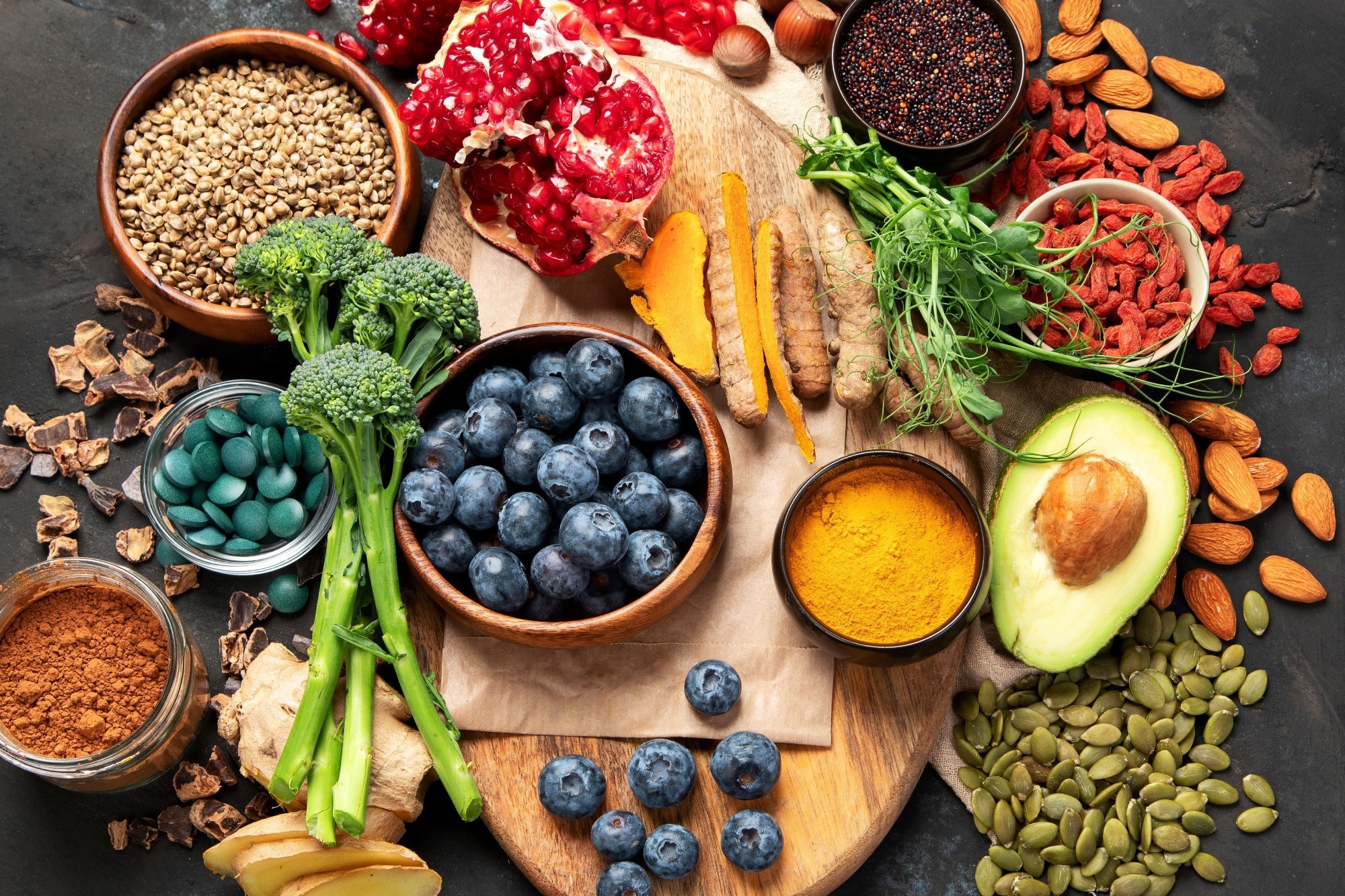
- Nutrient Density: Not all produce is created equal; a piece of iceberg lettuce provides far fewer flavanols than a handful of blueberries.
How the ‘Five-a-Day’ Rule Impacts Cardiovascular Health
The “five-a-day” campaign has long been the gold standard for public health, but the BBC reports that new studies suggest the heart needs specific types of foods within that quota to see real results. The traditional approach treats all fruits and vegetables as interchangeable units, but this ignores the biochemical differences between food groups.
According to the BBC, focusing on a diverse array of “heart-needed” foods is more effective than simply hitting a numerical target. For example, while a person might eat five servings of pale vegetables, they may miss out on the anthocyanins and flavanols found in deeply colored fruits and legumes. These compounds are essential for the production of nitric oxide in the blood vessels, which helps arteries relax and lowers blood pressure.
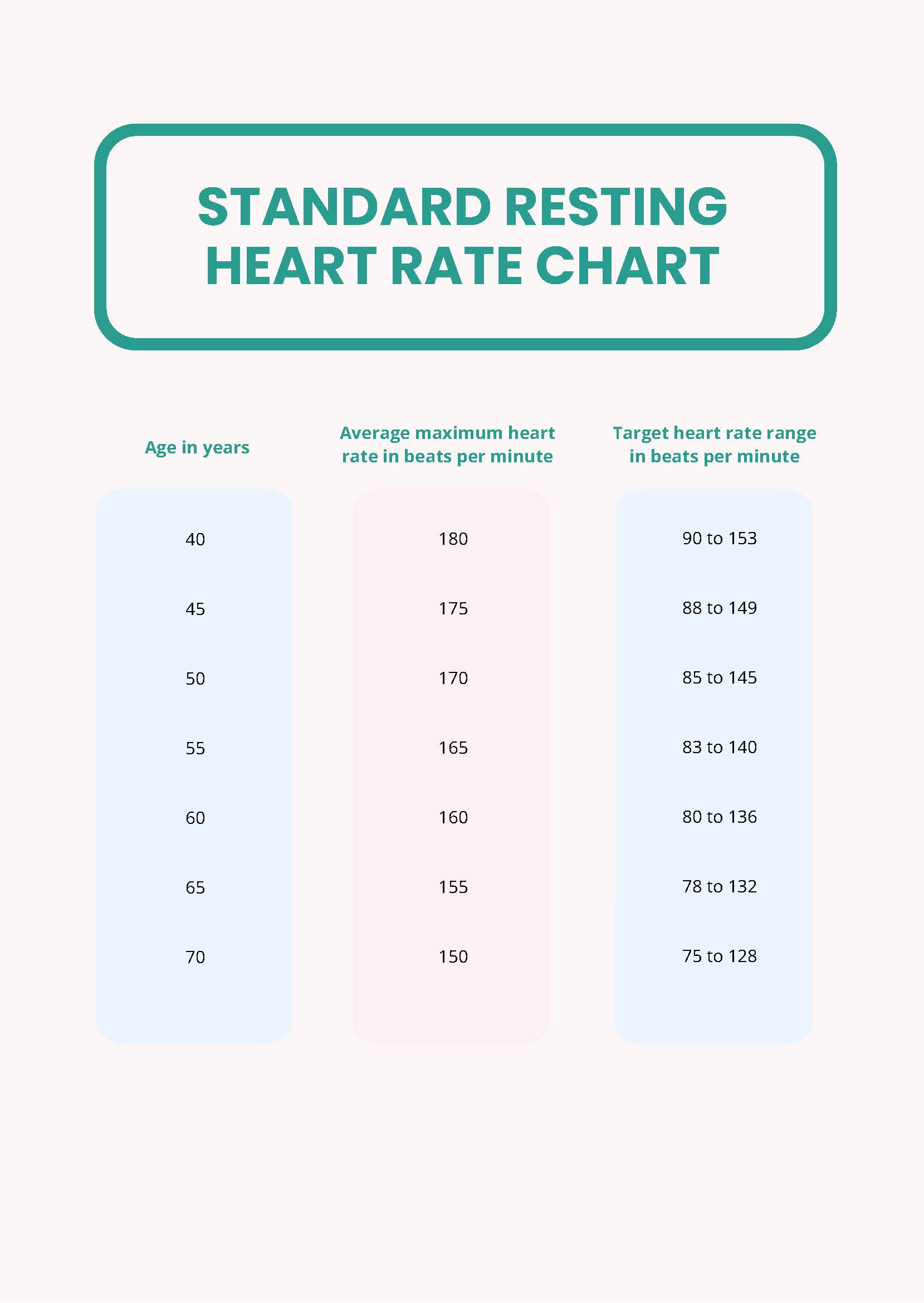
The implication is that the “five-a-day” rule is a helpful starting point but an insufficient destination for those specifically targeting heart health. To move from general wellness to cardiovascular protection, the selection of those five portions must be intentional, prioritizing foods with high flavanol density.
| Dietary Approach | Primary Goal | Heart Health Outcome |
|---|---|---|
| Standard Five-a-Day | General nutrient intake | Baseline wellness; variable heart benefit |
| Flavanol-Targeted Diet | High bioactive concentration | Improved arterial elasticity; lower BP |
| Restrictive Dieting | Caloric/Fat reduction | Weight management; inconsistent nutrient levels |
Which Foods Provide the Highest Heart-Healthy Flavanols?
To bridge the gap left by general guidelines, consumers must look toward specific “powerhouse” foods. Healthline identifies several fruits and vegetables that are superior for heart health due to their high concentrations of antioxidants and minerals. The focus is on produce that supports blood flow and reduces inflammation.
The Role of Berries and Deep-Colored Fruits
Berries are among the most potent sources of flavanols. According to Healthline, the pigments that give blueberries, blackberries, and raspberries their color are actually the antioxidants that protect the heart. These fruits help reduce oxidative stress on the cardiovascular system and may prevent the hardening of the arteries.
Plums also play a significant role. As reported by Magzter, a “fruity trio” including plums provides essential benefits for heart health. Plums contain specific phenolic compounds that help manage cholesterol levels and reduce systemic inflammation, making them a critical addition to a heart-centric diet.
Legumes and Heart-Healthy Vegetables
Heart health is not limited to fruit. Scripps News highlights pinto beans as one of the top 10 foods for the heart. Legumes provide a combination of soluble fiber and plant-based proteins that lower LDL (bad) cholesterol. When combined with flavanol-rich fruits, legumes create a synergistic effect that protects the heart from multiple angles.

Other high-impact foods identified across these sources include:
- Dark Leafy Greens: Spinach and kale, which provide nitrates for blood pressure regulation.
- Cocoa and Dark Chocolate: High in epicatechin, a potent flavanol.
- Tea: Specifically green and black teas, which are rich in catechins.
- Avocados: Providing monounsaturated fats that support the absorption of other fat-soluble nutrients.
For more information on how to integrate these into a daily routine, see our related explainer on nutrient-dense meal planning.
The Science of Flavanols and Vascular Function
To understand why dietary guidelines fail to deliver flavanol levels linked to heart health, it is necessary to understand what flavanols do inside the body. These compounds act as precursors to nitric oxide, a gas that signals the smooth muscles in the blood vessels to relax. This process, known as vasodilation, allows blood to flow more easily and reduces the workload on the heart.
When flavanol intake is low, the endothelium—the thin membrane lining the inside of the heart and blood vessels—can become dysfunctional. This dysfunction is a precursor to hypertension and atherosclerosis. According to the data referenced by News-Medical, the “therapeutic” dose of flavanols required to reverse or prevent this dysfunction is higher than what is typically found in a standard balanced diet.
This creates a “nutrient gap.” A person may be eating a healthy diet by traditional standards—avoiding processed sugars and eating some vegetables—yet still be deficient in the specific compounds needed to maintain optimal vascular elasticity. This is why the News-Medical report emphasizes that guidelines are failing; they are measuring the presence of food, not the presence of the specific molecules that drive heart health.
Common Misconceptions About Heart-Healthy Eating
Many consumers believe that any fruit or vegetable contributes equally to heart health. This is a primary misconception that persists due to oversimplified public health messaging. As noted by the BBC and Healthline, the distinction between “healthy” and “heart-healthy” is significant.
Misconception: “All green vegetables are the same.”
While a cucumber is healthy and hydrating, it does not offer the same flavanol or nitrate punch as spinach or arugula. To support the heart, the focus must be on dark, pigment-rich greens.
Misconception: “Fruit sugar makes fruits bad for the heart.”
Some avoid fruits like plums or berries due to fructose. However, the benefits of the flavanols and fiber in whole fruits far outweigh the impact of the natural sugars, particularly in the context of cardiovascular protection.
Misconception: “Supplements are a perfect replacement for flavanol-rich foods.”
While flavanol supplements exist, the sources, including Scripps News, emphasize whole foods. Whole foods provide a matrix of fiber, vitamins, and minerals that work together to enhance the absorption and efficacy of flavanols.
Practical Steps to Increase Flavanol Intake
Since current guidelines are insufficient, individuals must take a more proactive approach to their food choices. Transitioning to a heart-optimized diet involves swapping low-nutrient produce for high-flavanol alternatives.
According to the combined insights from Healthline and Scripps News, the following substitutions can increase heart-protective compound intake:
- Swap white rice or pasta for pinto beans or lentils.
- Swap apple or banana snacks for blueberries, raspberries, or plums.
- Swap morning coffee for green tea or a high-flavanol cocoa drink (low sugar).
- Swap iceberg lettuce for spinach, kale, or Swiss chard.
Consistency is key. Because flavanols are metabolized relatively quickly, daily intake is more effective than occasional “superfood” binges. Integrating a variety of the “fruity trio” and legumes ensures a broad spectrum of different flavonoids, as different colors (purple, red, green) represent different types of protective compounds.
Long-Term Implications of the Guideline Gap
The failure of dietary guidelines to specify flavanol levels has long-term public health implications. If a large portion of the population meets the “five-a-day” target but chooses low-flavanol foods, the expected decline in cardiovascular disease may not materialize as predicted.
This gap suggests a need for a “precision nutrition” approach. Rather than one-size-fits-all guidelines, health authorities may need to provide specific “nutrient targets” for different health goals. For those at risk of hypertension or heart disease, the recommendation should move from “eat more vegetables” to “consume X milligrams of flavanols via specific food groups.”
Furthermore, this shift puts pressure on the food industry to fortify foods or create clearer labeling. If the public becomes aware that standard guidelines are insufficient, there will be a higher demand for foods that are verified to be high in heart-protective bioactive compounds.
For those interested in how these changes affect overall longevity, see our related explainer on the Mediterranean diet and heart health.
Frequently Asked Questions
What exactly are flavanols?
Flavanols are a type of flavonoid, which are natural compounds found in plants. They are known for their antioxidant properties and their ability to help the body produce nitric oxide, which relaxes blood vessels and improves blood flow, according to News-Medical.
Why is the “five-a-day” rule not enough for heart health?
According to the BBC and News-Medical, the “five-a-day” rule focuses on the quantity of fruit and vegetable servings rather than the specific nutrient density. Many people meet this quota using foods that are low in the flavanols necessary for cardiovascular protection.

Which fruits are best for increasing flavanol levels?
Berries (blueberries, blackberries, raspberries) and plums are cited by Healthline and Magzter as being particularly high in heart-healthy flavanols and antioxidants.
Can pinto beans really help the heart?
Yes. According to Scripps News, pinto beans are one of the top foods for heart health because they provide soluble fiber and plant-based proteins that help lower LDL cholesterol.
Should I take flavanol supplements instead of eating fruit?
Health experts generally recommend whole foods over supplements. As indicated by sources like Healthline, the fiber and other micronutrients in whole fruits and vegetables work synergistically with flavanols to provide maximum heart benefits.
How do flavanols actually lower blood pressure?
Flavanols stimulate the production of nitric oxide in the endothelium (the lining of the blood vessels). This causes the vessels to dilate, which reduces the resistance to blood flow and consequently lowers blood pressure.
