
A landmark study has upended long-held assumptions about heart health, revealing that what you eat—or avoid eating—may matter far less than previously believed. Researchers found that neither drastically cutting carbohydrates nor eliminating fats is the key to a healthy heart. Instead, the data points to a more nuanced approach, one that challenges decades of dietary dogma.
The findings, published in a large-scale analysis, suggest that the relationship between diet and heart disease is more complex than simple macronutrient restrictions. While experts have long debated whether low-fat or low-carb diets are superior, this study indicates that the overall quality of the diet—rather than strict avoidance of specific nutrients—plays a dominant role in cardiovascular outcomes.
What the Study Found
The research team analyzed data from tens of thousands of participants over an extended period, tracking dietary habits alongside heart health metrics. Contrary to popular advice, they observed that neither extreme carbohydrate reduction nor fat restriction alone led to significantly better heart outcomes. Instead, diets rich in whole foods—fruits, vegetables, lean proteins, and healthy fats—were consistently associated with lower risks of heart disease, regardless of whether they were technically “low-carb” or “low-fat.”
Key Findings
- Diet quality outweighs macronutrient ratios: Participants whose diets emphasized whole, minimally processed foods showed the strongest cardiovascular benefits, even if their carbohydrate or fat intake wasn’t extreme.
- No single nutrient is the villain: The study did not find that fats or carbohydrates, in isolation, were inherently harmful or protective. Context mattered—how those nutrients were sourced and prepared played a larger role.
- Moderation and variety matter: Diets that balanced nutrient intake without extreme restrictions were linked to better heart health markers, such as blood pressure and cholesterol levels.
Why This Challenges Past Advice
For years, public health guidelines have oscillated between recommending low-fat diets (to reduce cholesterol) and low-carb diets (to manage blood sugar and weight). This study suggests that both approaches may have oversimplified the issue. The focus on eliminating entire macronutrient groups could have distracted from the broader picture: the importance of food quality, preparation methods, and overall dietary patterns.
“We’ve spent decades telling people to fear fat or fear carbs, but the data now shows that what really matters is whether you’re eating a plate full of processed snacks or a plate full of vegetables and fish,” said one of the lead researchers. “The conversation needs to shift from ‘what should I avoid?’ to ‘what should I fill my plate with?’”
Limitations and What’s Still Unknown
The study does not prove causation—only association—between diet quality and heart health. Researchers noted that participants self-reported their diets, which can introduce inaccuracies. The data did not account for individual metabolic differences, which may influence how people respond to specific diets.
Another key caveat: the study does not endorse any single dietary pattern as universally optimal. Instead, it reinforces the idea that flexibility and food quality are more important than rigid restrictions. Experts emphasized that personalized medical advice should always come from a healthcare provider, especially for those with preexisting conditions.
What Experts Recommend Moving Forward
Public health officials and nutritionists are calling for a reevaluation of how dietary guidance is communicated to the public. Rather than promoting extreme approaches, they suggest focusing on:
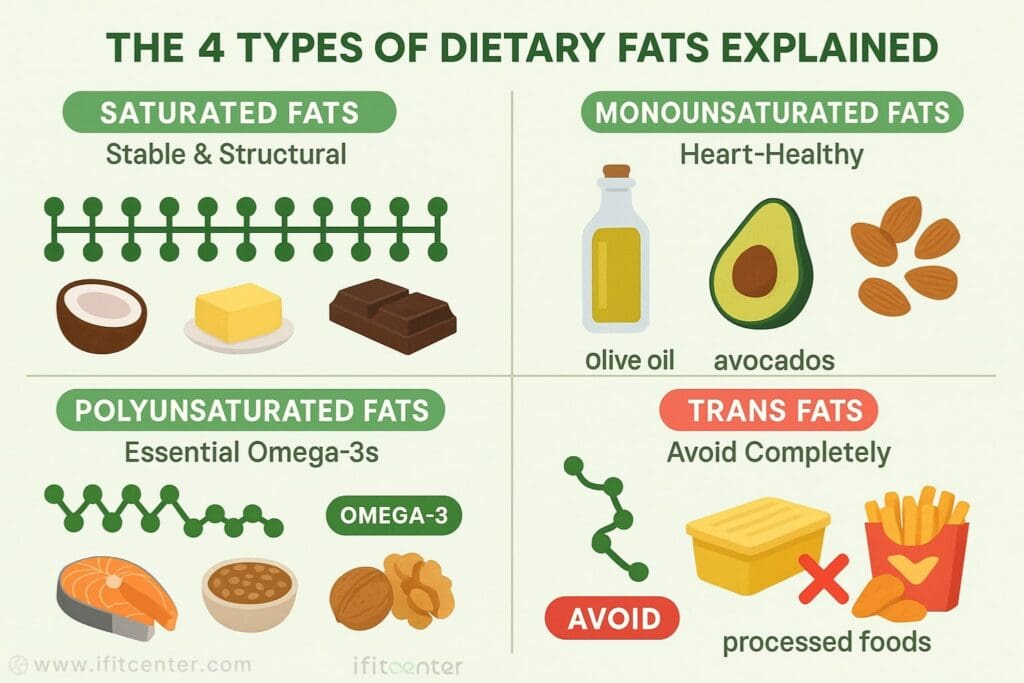
- Prioritizing whole, unprocessed foods over packaged or refined options.
- Avoiding ultra-processed foods, regardless of their macronutrient profile.
- Encouraging balanced meals that include a variety of nutrients.
“This study is a wake-up call to move beyond the ‘good vs. Bad’ food narrative,” said a cardiologist involved in the research. “The takeaway isn’t to abandon all dietary advice, but to recognize that heart health is about the substantial picture—not just one nutrient or one food group.”
A Shift in Public Health Messaging
If adopted widely, these findings could reshape how heart disease prevention is communicated. Health authorities may need to update guidelines to reflect the growing evidence that dietary quality matters more than strict macronutrient targets. For now, the message remains clear: there is no one-size-fits-all diet for a healthy heart, but focusing on nutrient-dense, whole foods is a strong starting point.
