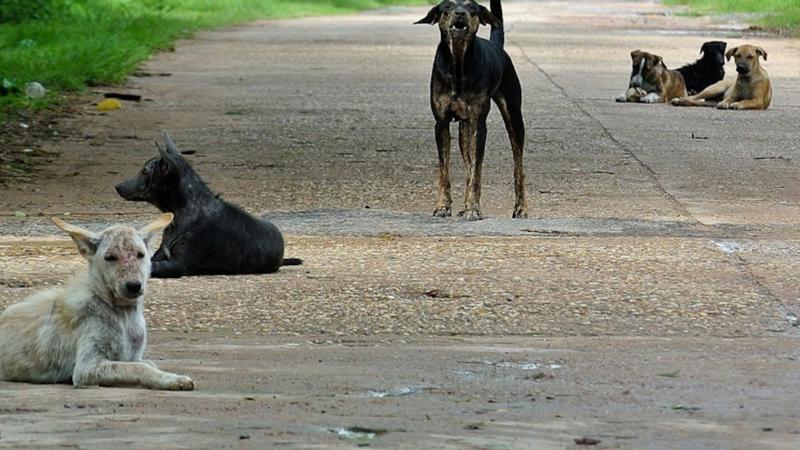
Rabies remains one of the most lethal viral infections known to medicine, with a mortality rate approaching 100% once clinical symptoms manifest. Public health reports from multiple regions indicate a concerning rise in animal attacks and a corresponding increase in the risk of rabies transmission, highlighting critical gaps in vaccination and emergency response.
Key Findings
- Extreme Mortality: Rabies is characterized by a nearly total fatality rate if not treated immediately after exposure.
- High-Risk Groups: In urban centers like Chișinău, children are identified as the most exposed population to stray dog attacks.
- Environmental Triggers: Intense heatwaves have been linked to an increase in bites from dogs and cats.
- Critical Timing: Delayed administration of rabies vaccinations following a bite significantly increases the risk of death.
Regional Trends in Animal Attacks
In Chișinău, health and safety officials have noted a surge in attacks by stray dogs. Data suggests that children are disproportionately affected, making them the most vulnerable demographic in these urban interactions. This trend underscores the ongoing challenge of managing stray animal populations in densely populated areas.
Parallel trends are appearing in other parts of the world. In Vietnam, public health observations indicate that intensified heatwaves are contributing to a higher frequency of bites from both dogs and cats. The correlation between extreme weather and increased animal aggression suggests that environmental stressors may play a role in the rising number of animal-human conflicts.
The Danger of Delayed Treatment
The window for effective intervention after a suspected rabies exposure is narrow. According to public health authorities, many individuals are being placed in extreme danger due to delays in receiving the rabies vaccine. Because the virus attacks the central nervous system, the administration of post-exposure prophylaxis (PEP) must occur before the virus reaches the brain; once symptoms appear, the disease is almost invariably fatal.
Preventative Measures and Pet Health
To mitigate the risk of human infection, health officials emphasize the necessity of comprehensive vaccination programs for domestic animals. Ensuring that pets are up to date on their rabies vaccinations serves as a primary barrier, preventing the virus from circulating within the domestic animal population and reducing the likelihood of transmission to humans.
