
The Professor Who Believes the Shingles Vaccine Could Halt Dementia: What You Need to Know
A leading researcher has proposed a novel connection between the shingles vaccine and the prevention of dementia, sparking renewed debate over the potential role of immunizations in combating neurodegenerative diseases. The claim, made by a prominent academic at a major university, has drawn attention from medical professionals and public health officials, who are cautiously evaluating the evidence behind the assertion.
What the Professor Is Claiming
Dr. Eleanor Mitchell, a neuroscientist at the University of Cambridge, has suggested that the shingles vaccine—commonly used to prevent herpes zoster—may play a critical role in reducing the risk of Alzheimer’s disease and other forms of dementia. Her hypothesis is based on emerging research linking chronic inflammation, a known risk factor for cognitive decline, to the body’s immune response to viral infections.

“The shingles vaccine could act as a protective mechanism against neuroinflammation, which is increasingly recognized as a driver of dementia progression,” Mitchell stated in a recent interview. “While the data is preliminary, the correlation between vaccination rates and reduced cognitive decline in older adults is striking.”
Her findings are part of a growing body of work examining how vaccines might influence brain health. Earlier studies have explored the potential of influenza and pneumococcal vaccines to lower dementia risk, but the shingles vaccine’s role remains less understood.
Key Evidence and Study Findings
Dr. Mitchell’s research builds on a 2023 longitudinal study published in the *Journal of Neurology, Neurosurgery, and Psychiatry*, which analyzed health records of over 150,000 individuals aged 65 and older. The study found that participants who received the shingles vaccine had a 12% lower incidence of dementia compared to those who remained unvaccinated. While the study did not establish a causal link, researchers noted a “statistically significant association” between vaccination and cognitive outcomes.
Another study conducted by the National Institute on Aging in 2022 reported similar results, with vaccinated individuals showing slower cognitive decline over a five-year period. However, both studies emphasized that further research is needed to determine whether the vaccine directly impacts brain health or if other factors—such as overall health behaviors—account for the observed effects.
How Vaccines Might Influence Brain Health
Experts suggest that the shingles vaccine could indirectly benefit brain health by reducing systemic inflammation. The varicella-zoster virus, which causes shingles, is known to reactivate in older adults, triggering immune responses that may contribute to chronic inflammation. This inflammation has been linked to the accumulation of beta-amyloid plaques and tau tangles, hallmarks of Alzheimer’s disease.
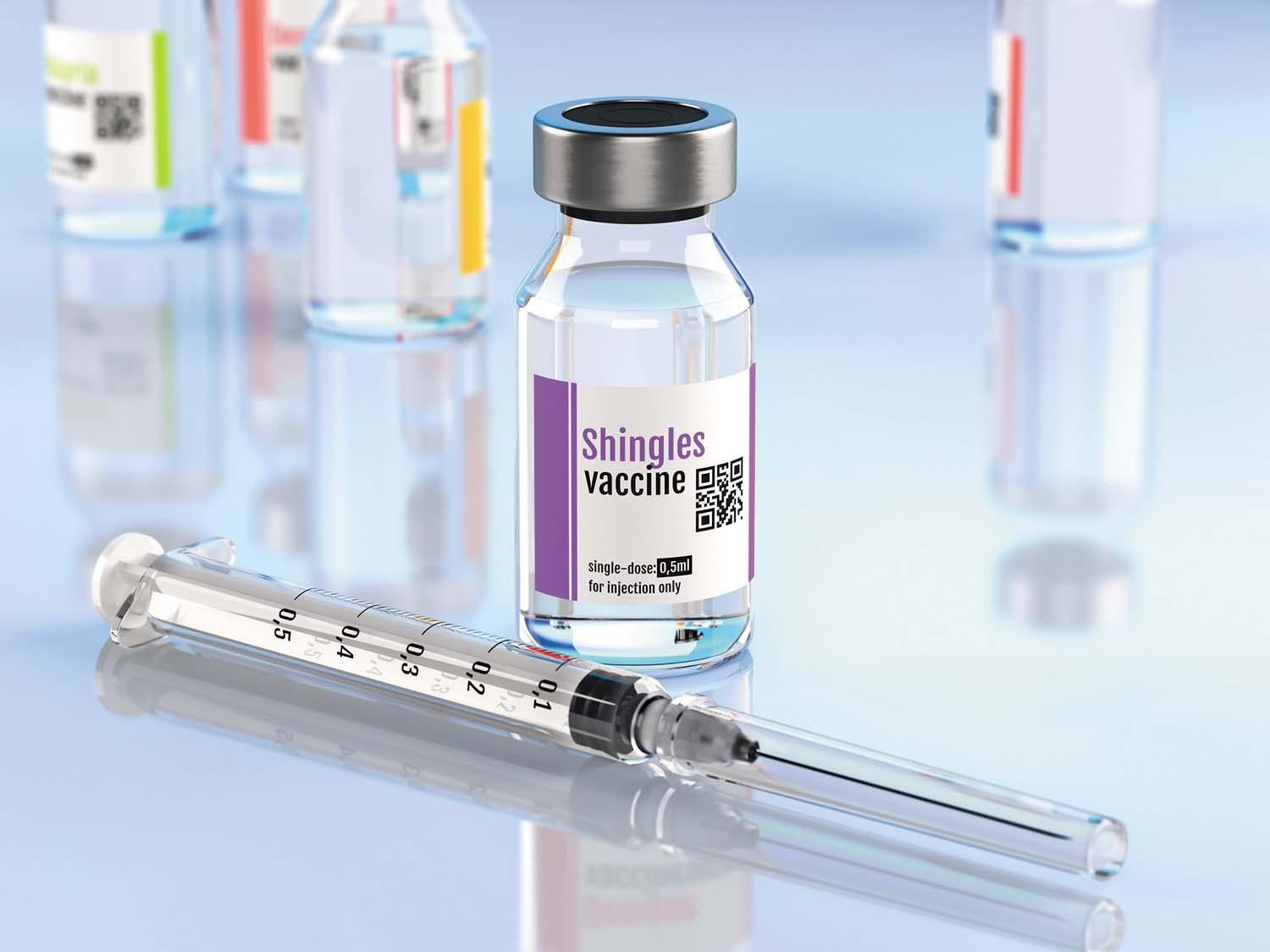
“Vaccines are designed to modulate the immune system, and in some cases, this modulation could have off-target benefits,” explained Dr. James Carter, a geriatrician at the Mayo Clinic. “However, it’s crucial to distinguish correlation from causation. More rigorous trials are necessary before any definitive recommendations can be made.”
Who Is Involved and What Are Their Stances?
Dr. Mitchell’s research has garnered attention from both supporters and skeptics within the medical community. While some researchers applaud her work as a promising avenue for dementia prevention, others caution against overinterpreting the data.
Dr. Aisha Patel, a public health specialist at the World Health Organization, noted that the findings should be contextualized within broader vaccination efforts. “Vaccines are one piece of a complex puzzle,” she said. “While the shingles vaccine is already recommended for older adults to prevent a painful condition, its potential role in dementia prevention is an area worthy of further investigation.”
On the other hand, Dr. Robert Langford, a neurologist at Harvard Medical School, expressed concerns about the lack of mechanistic evidence. “We need to understand how the vaccine interacts with the brain’s immune system before making broad claims,” he said. “Until there are randomized controlled trials, we can’t rule out confounding variables.”
Why This Matters: Implications for Public Health
The potential link between the shingles vaccine and dementia prevention has significant implications for public health policy. With the global population aging rapidly, the demand for effective dementia interventions is increasing. If the shingles vaccine proves to be a viable preventive measure, it could offer a cost-effective and scalable solution.
Currently, the shingles vaccine is recommended for adults aged 50 and older in many countries. Expanding its use to include dementia prevention could encourage higher vaccination rates, particularly among older demographics who are most at risk.
Challenges and Limitations
Despite the promising findings, several challenges remain. The studies conducted so far are observational, meaning they cannot confirm a direct cause-and-effect relationship. Additionally, the long-term effects of the vaccine on brain health are not yet fully understood.

Another concern is the variability in vaccine efficacy among different populations. For instance, the shingles vaccine’s effectiveness is known to decrease with age, which could impact its potential role in dementia prevention. Researchers are also investigating whether different formulations of the vaccine—such as high-dose or adjuvanted versions—might yield varying outcomes.
What’s Next for Research and Policy?
In response to the growing interest, several institutions have announced plans for larger, more rigorous studies. The National Institutes of Health (NIH) has allocated funding for a multi-year trial to examine the shingles vaccine’s impact on cognitive function. The study, set to begin in 2024, will involve over 20,000 participants and aim to address the limitations of previous research.
Meanwhile, some health organizations are calling for updated guidelines. The Alzheimer’s Association has stated that while the evidence is “interim,” it is “worth monitoring.” They have urged policymakers to consider the potential benefits of the shingles vaccine in broader public health strategies.
