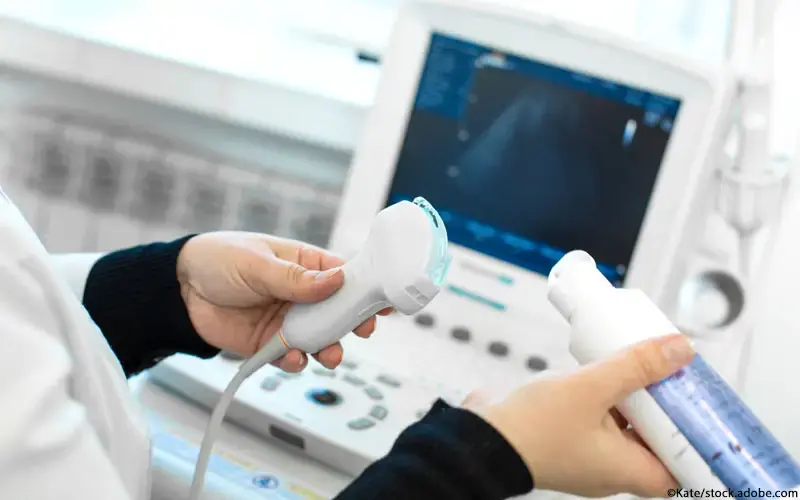
A new study suggests lung ultrasound may improve early detection of lung complications in patients with rheumatoid arthritis, according to findings presented at a European medical conference. The research, conducted by a team at Charité – Universitätsmedizin Berlin, found the imaging technique effectively identified progressive lung changes in 78% of participants with the autoimmune disorder.
What the Study Found
The prospective cohort study analyzed 120 adults diagnosed with rheumatoid arthritis (RA) over 18 months. Researchers used lung ultrasound to monitor for interstitial lung disease (ILD), a known complication of RA. The technique detected abnormalities in 47 patients, with 39 of those cases confirmed through subsequent high-resolution CT scans. The study’s lead author noted the method’s non-invasive nature and real-time capabilities make it a promising tool for routine monitoring.
“Lung ultrasound offers a practical alternative to more complex imaging,” said Dr. Lena Hofmann, a rheumatologist involved in the research. “It allows clinicians to track changes over time without exposing patients to radiation.”
Who Is Most Affected
Patients with long-standing RA and those with elevated levels of specific autoantibodies were more likely to develop ILD complications. The study found 22% of participants developed new lung abnormalities during the observation period, with symptoms often progressing without noticeable respiratory symptoms in the early stages.
Health officials emphasized the importance of regular screening for RA patients, particularly those with risk factors such as smoking history or family history of lung disease. The German Society of Rheumatology has begun reviewing guidelines for incorporating lung ultrasound into standard care protocols.
Limitations and Unanswered Questions
The study’s small sample size and single-center design limit broader applicability, the researchers acknowledged. While lung ultrasound showed high sensitivity for detecting ILD, its specificity remains under investigation. Follow-up studies are needed to determine how frequently the technique should be used and whether it improves long-term outcomes compared to current diagnostic methods.

“We need to establish clear thresholds for when ultrasound findings require further investigation,” said Dr. Markus Richter, a pulmonologist not involved in the study. “This is an encouraging development, but more research is needed to define its role in clinical practice.”
What Officials Recommend
The German Federal Institute for Drugs and Medical Devices has initiated a review of lung ultrasound protocols for RA patients. Public health experts advise clinicians to remain vigilant about potential lung involvement in RA, noting that early intervention can significantly improve prognosis.
Patients are encouraged to discuss screening options with their rheumatologists, particularly if they experience unexplained fatigue, dry cough, or shortness of breath. The study’s authors plan to publish their full results in a peer-reviewed journal later this year.
