Researchers are exploring the diagnostic potential of menstrual blood, a substance typically discarded, to uncover critical insights into uterine and systemic health. This emerging field of study suggests that the biological data contained within menstrual discharge could lead to non-invasive ways to detect various conditions, most notably endometriosis.
Key Findings
- Biological Richness: Menstrual blood, medically termed effluent, contains uterine tissue, proteins, immune cells, mucus, and signaling molecules.
- Broad Application: Potential uses include monitoring blood sugar, identifying vitamin deficiencies, tracking inflammation, and screening for sexually transmitted infections such as HPV.
- Endometriosis Focus: While multiple applications exist, the most promising research is currently centered on the diagnosis of endometriosis.
- Scientific Support: A 2024 study published in The Annals of Medicine & Surgery indicated that utilizing this source of health information has the potential to revolutionize healthcare for those who menstruate.
The Composition of Menstrual Effluent
Unlike standard blood samples, menstrual blood is a complex mixture. Dipanjan Pan, a professor in nanomedicine at The Pennsylvania State University, explains that this effluent reflects the internal state of the uterus during the menstrual cycle and carries a dense array of biological information.

Because it consists of more than just blood—incorporating signaling molecules and immune cells—it provides a window into the uterine environment that other tests, such as urine or cervical swabs, may not fully capture.
Expanding the Diagnostic Frontier
The push to analyze menstrual blood stems from a gap in current gynecological diagnostics. Christine Metz, a professor of molecular medicine and obstetrics and gynecology at the Feinstein Institutes for Medical Research at Northwell Health in New York, describes the current state of uterine research as follows:
“The uterus is kind of like one of the last frontiers to be investigated on a really thorough level.” — Christine Metz
By treating menstrual blood as a viable clinical sample, researchers aim to develop screenings for a variety of health markers. This includes not only gynecological diseases but also general body health indicators, such as glucose levels and inflammatory responses.
Implications for Endometriosis Diagnosis
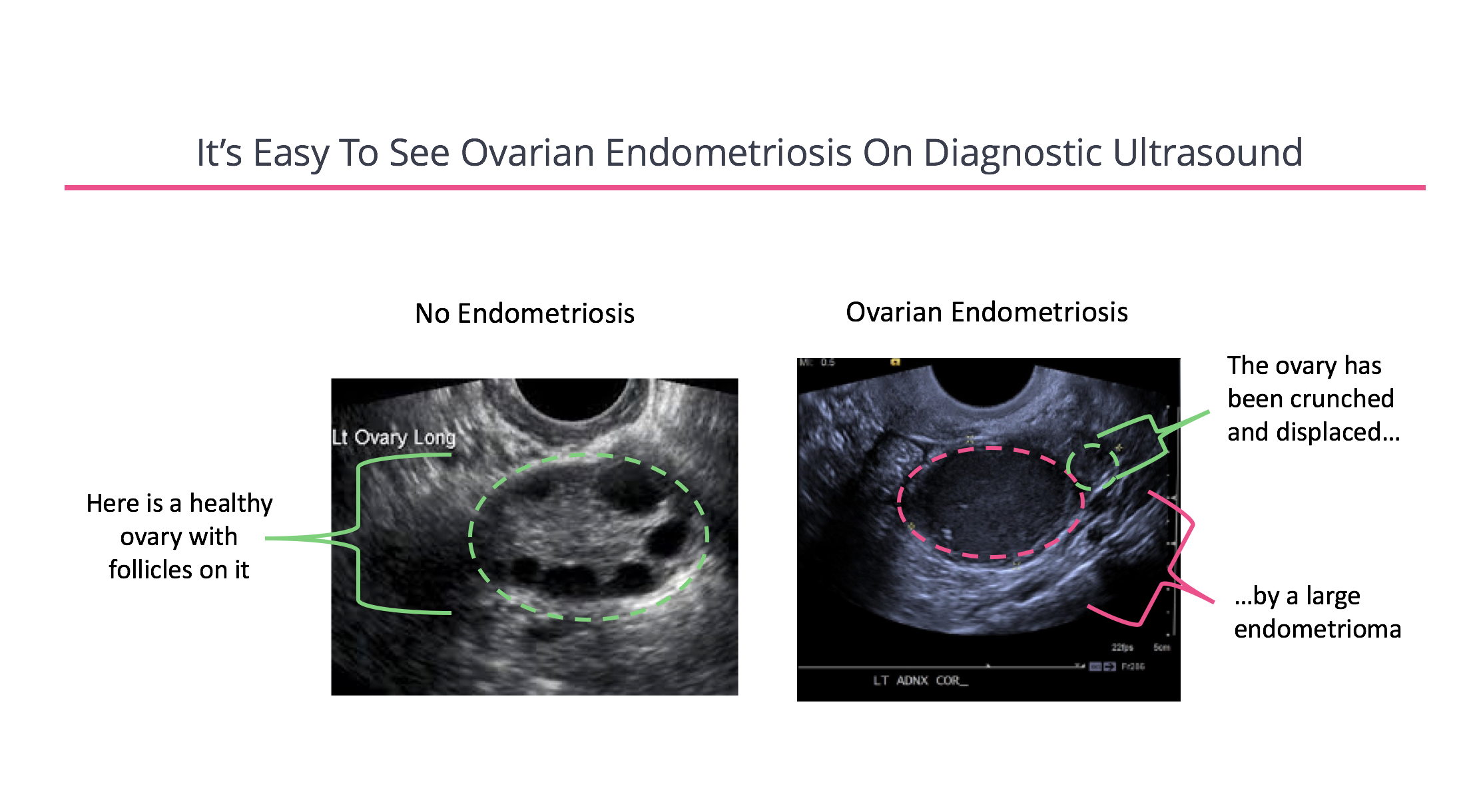
While the potential for general health monitoring is significant, the ability to diagnose endometriosis is viewed as the most critical application of this research. Traditionally, diagnosing endometriosis can be a lengthy and invasive process; the use of effluent could provide a more accessible pathway to identification.
Research in this area has accelerated over the last decade, moving toward a model where the biological markers found in menstrual blood can serve as reliable indicators for uterine health without the need for more invasive procedures.
