
Big Tobacco Uses Cigarette Playbook to Help Sell Ultra-Processed Foods, Journal Reveals – The Guardian
A disturbing parallel has emerged between the mid-century tactics of the tobacco industry and the modern strategies employed by global food conglomerates. Recent findings published in a leading academic journal suggest that the “playbook” once used to shield cigarettes from health regulations is now being deployed to protect the profits of ultra-processed foods (UPFs). This systematic effort to obscure the link between industrial food production and chronic disease represents a significant hurdle in the global fight against obesity, diabetes, and cardiometabolic decline.
For decades, the public has been warned about the dangers of smoking, a battle won through rigorous science, courageous whistleblowers, and aggressive government intervention. However, as the world faces a burgeoning crisis of diet-related non-communicable diseases, evidence suggests that “Big Food” is utilizing the same psychological and political maneuvers to prevent similar regulatory crackdowns on the chemical-laden products that dominate supermarket shelves.
The “Tobacco Playbook”: A Blueprint for Corporate Denial
To understand the current controversy, one must first understand the “Tobacco Playbook.” In the 1950s and 60s, when evidence began to mount that smoking caused lung cancer, the tobacco industry did not attempt to disprove the science—which was nearly impossible—but rather to manufacture doubt. They funded their own “independent” research, hired scientists to challenge mainstream findings, and shifted the conversation from public health to “personal freedom.”
The revelation that Big tobacco uses cigarette playbook to help sell ultra-processed foods, journal reveals – The Guardian highlights a frightening mirror image in the food industry. The tactics are not merely similar. they are identical in their execution, and intent.
Core Tactics of the Industry Playbook
- Funding Biased Science: Providing grants to researchers who are likely to produce results favorable to the industry or who focus on “individual choice” rather than systemic food quality.
- The “Personal Responsibility” Narrative: Shifting the blame for obesity and heart disease away from the composition of the food and toward a lack of exercise or “poor willpower.”
- Creation of Front Groups: Establishing seemingly independent health institutes or consumer advocacy groups that are secretly funded by food corporations to lobby against sugar taxes or labeling laws.
- Attacking Critics: Using legal threats or public relations campaigns to discredit scientists and nutritionists who highlight the dangers of ultra-processing.
The goal is not to win the scientific argument, but to ensure that the argument never ends. As long as there is “debate,” regulators are hesitant to act, and profits continue to climb.
Defining the Enemy: What Exactly Are Ultra-Processed Foods?
Not all processed food is created equal. To understand why the industry is fighting so hard to avoid the “ultra-processed” label, it is necessary to distinguish between different levels of food processing. Most experts now use the NOVA classification system to categorize foods based on the extent and purpose of industrial processing.
While “processed” foods might include simple additions like salt, sugar, or oil to whole foods (e.g., canned vegetables or freshly baked bread), ultra-processed foods are fundamentally different. They are industrial formulations typically consisting of substances derived from foods and additives.
The Anatomy of a UPF
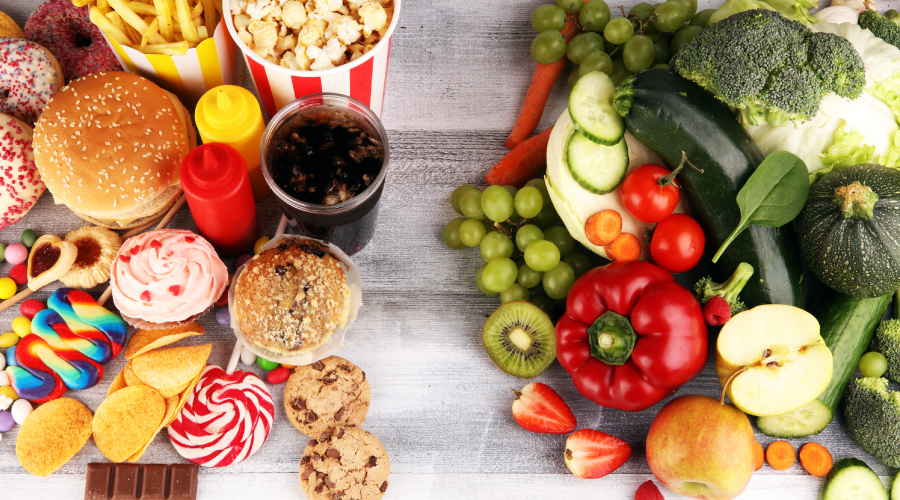
Ultra-processed foods are often characterized by the presence of ingredients you would not find in a home kitchen. These include:

- Emulsifiers: Used to blend water and oil, but potentially damaging to the gut lining.
- Artificial Flavorings: Designed to trigger “hyper-palatability,” making the food addictive.
- High-Fructose Corn Syrup: A cheap sweetener linked to insulin resistance.
- Hydrogenated Fats: Industrial oils used to extend shelf life but linked to cardiovascular inflammation.
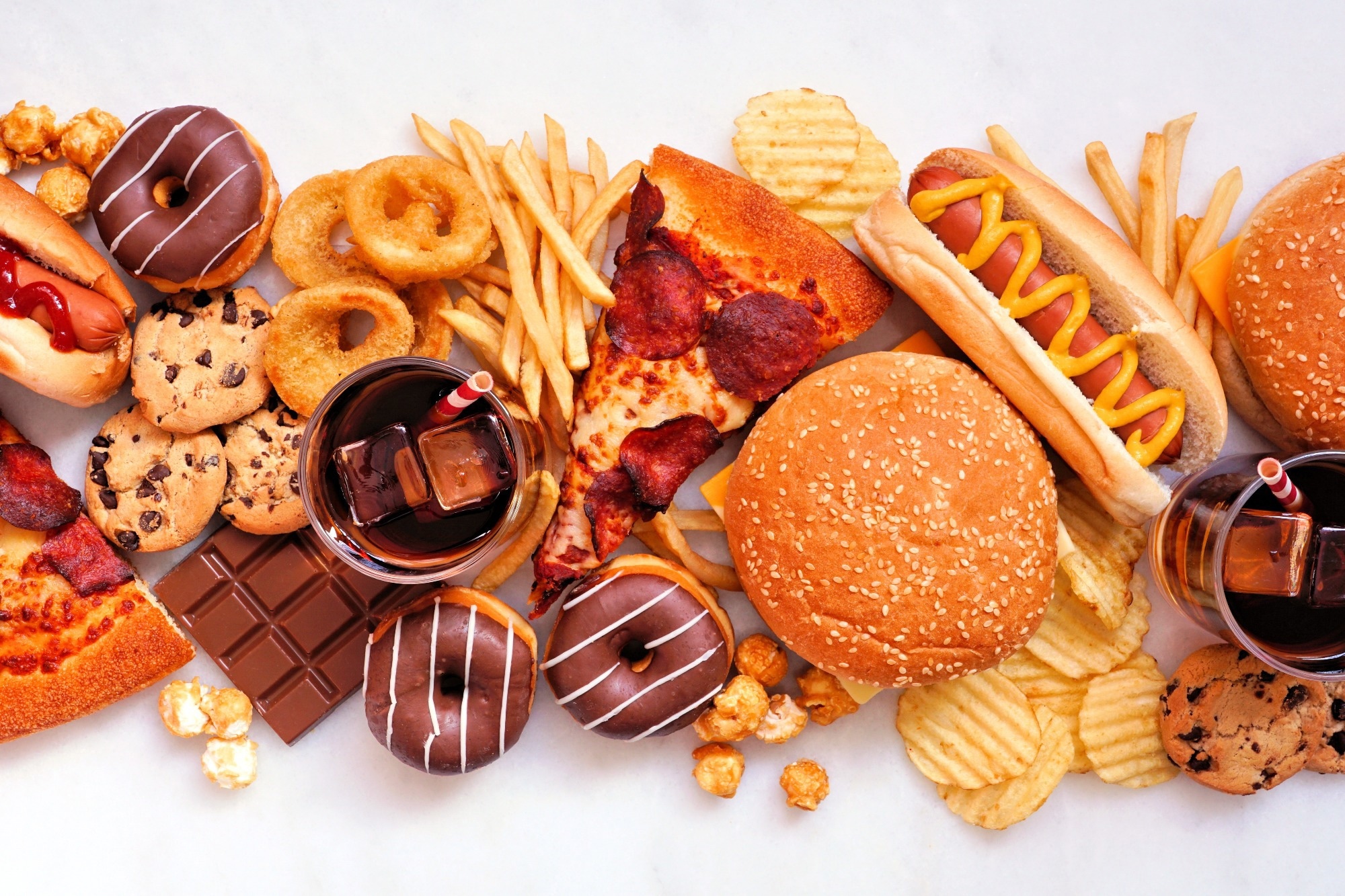
Common examples include mass-produced sodas, packaged snacks, reconstituted meat products (like nuggets), and many “ready-to-eat” breakfast cereals. These products are engineered for maximum profit, maximum shelf-life, and maximum consumption, often at the expense of human biology.
The Health Toll: From Evidence to Policy
The pushback from the food industry is not happening in a vacuum; it is a response to a growing body of evidence linking UPFs to severe health outcomes. Recent studies have moved beyond simple calorie counting, suggesting that the processing itself—not just the sugar or fat content—is the primary driver of disease.
Cardiometabolic Risk and Systemic Inflammation
Research indicates a strong correlation between high UPF consumption and cardiometabolic risk. This includes a heightened likelihood of developing Type 2 diabetes, hypertension, and coronary heart disease. The mechanisms are complex but generally involve:
- Gut Dysbiosis: Emulsifiers and artificial sweeteners can alter the microbiome, leading to “leaky gut” and systemic inflammation.
- Hormonal Disruption: The rapid absorption of refined sugars causes insulin spikes that lead to metabolic syndrome.
- Satiety Interference: UPFs are often designed to bypass the body’s natural fullness signals, leading to chronic overeating.
| Health Indicator | Whole/Minimally Processed Diet | Ultra-Processed Diet (UPF) |
|---|---|---|
| Insulin Sensitivity | Generally stable and responsive | Increased risk of insulin resistance |
| Gut Microbiome | Diverse and supportive of immunity | Reduced diversity; increased inflammation |
| Satiety Levels | High (due to fiber and protein) | Low (hyper-palatable, low fiber) |
| Cardiovascular Risk | Lower markers of arterial plaque | Higher correlation with hypertension |
The Political Battleground: Regulation vs. Profit
Public sentiment is shifting. Surveys indicate that a vast majority of consumers, particularly in the United States and Europe, are becoming aware of the hazards associated with ultra-processed diets and are calling for stricter regulations. However, there is a stark disconnect between public desire and legislative action.
This is where the “Tobacco Playbook” is most effective. By lobbying government officials and embedding industry-funded “experts” within regulatory bodies, Big Food has managed to stall initiatives that could protect public health. These initiatives include:
The Fight Against Front-of-Package Labeling
Many countries have attempted to implement “warning labels” (similar to those on cigarettes) for foods high in salt, sugar, or saturated fats. The industry has fought these fiercely, arguing that they are “reductive” or “unfairly demonize” certain products. In reality, these labels provide the transparency consumers need to make informed choices.
The Struggle Over Sugar Taxes
Taxes on sugar-sweetened beverages have been proven to reduce consumption in several jurisdictions. Yet, industry groups often launch aggressive campaigns claiming such taxes unfairly target low-income populations, despite the fact that these same populations suffer the most from the health consequences of UPFs.
For those interested in how these corporate strategies impact legislation, a related explainer on corporate lobbying in public health provides further context on the mechanisms of political influence.
Common Misconceptions About Ultra-Processed Foods
Part of the industry’s strategy involves spreading misinformation to confuse the consumer. By muddying the waters, they make the science seem “unsettled.” Here are the most common myths debunked:
Myth 1: “It’s just about the calories.”
The Reality: While calories matter, the source of those calories is critical. 500 calories of avocados and walnuts have a vastly different metabolic impact than 500 calories of a processed donut. UPFs trigger different hormonal responses and cause more inflammation, regardless of the calorie count.
Myth 2: “Fortified foods make UPFs healthy.”
The Reality: Adding synthetic vitamins to a product that is otherwise stripped of fiber and loaded with emulsifiers does not make it “healthy.” Fortification is often used as a marketing shield to justify the industrial processing of the food.
Myth 3: “Processed food is a necessity for the poor.”
The Reality: While UPFs are often cheaper and more accessible, this is a result of government subsidies for corn, soy, and wheat, and a lack of investment in fresh food infrastructure (food deserts). The “necessity” is a systemic failure, not a biological one.
The Global Response: Who is Winning the Fight?
While the influence of the tobacco playbook is strong, some nations are resisting. Latin American countries, in particular, have been pioneers in fighting back against Big Food. Chile, for example, implemented some of the world’s strictest labeling laws, requiring black stop signs on the front of products high in sugar, sodium, or calories. They also banned the use of cartoon characters on unhealthy cereals to prevent the targeting of children.
In contrast, the United States and the UK have seen slower progress, often due to the immense lobbying power of the food industry. However, the tide may be turning as more journals and health organizations explicitly link UPFs to the cardiometabolic crisis.
The parallel between the two industries is clear: both sold a product that was addictive and harmful, both knew the risks long before the public did, and both spent millions to ensure the public remained confused. The only difference is that while we no longer allow smoking in hospitals or classrooms, we still allow ultra-processed foods to be marketed to children in every school cafeteria in the country.
Frequently Asked Questions
What is the main difference between processed and ultra-processed foods?
Processed foods are typically whole foods with added ingredients like salt or vinegar (e.g., canned beans). Ultra-processed foods are industrial formulations made mostly from substances extracted from foods (like casein or corn starch) and additives (like emulsifiers and artificial flavors) that you wouldn’t find in a home kitchen.
Why is the food industry compared to the tobacco industry?
The comparison stems from the “playbook” of tactics used to avoid regulation. Both industries have been accused of funding biased research, creating front groups to mislead the public, and shifting the blame for health problems onto individual behavior rather than the product itself.
Can I completely avoid ultra-processed foods?
While complete avoidance is difficult in the modern food environment, reducing UPF intake can be achieved by prioritizing “whole foods”—things that look like they did when they came out of the ground or off the animal. Focus on fresh produce, legumes, nuts, seeds, and minimally processed proteins.
Do ultra-processed foods cause addiction?
Many UPFs are engineered to be “hyper-palatable.” By balancing precise ratios of salt, sugar, and fat, these foods can trigger the brain’s reward system in a way that mimics addictive substances, making it difficult for some people to stop eating them even when they are full.
Are “healthy” ultra-processed foods, like protein bars, still bad?
Many protein bars or “low-fat” snacks are still ultra-processed. While they may have more protein or less sugar than a candy bar, they often contain the same emulsifiers, artificial sweeteners, and preservatives that contribute to gut inflammation and metabolic dysfunction.
The current trajectory of global health depends on whether regulators can see through the smoke and mirrors of the industry playbook. The evidence is mounting: the industrialization of the human diet is a public health emergency. Just as the world eventually recognized the lethal nature of cigarettes, it is now time to recognize that the chemical-laden convenience of ultra-processed foods comes at a cost that no society can afford to pay.
