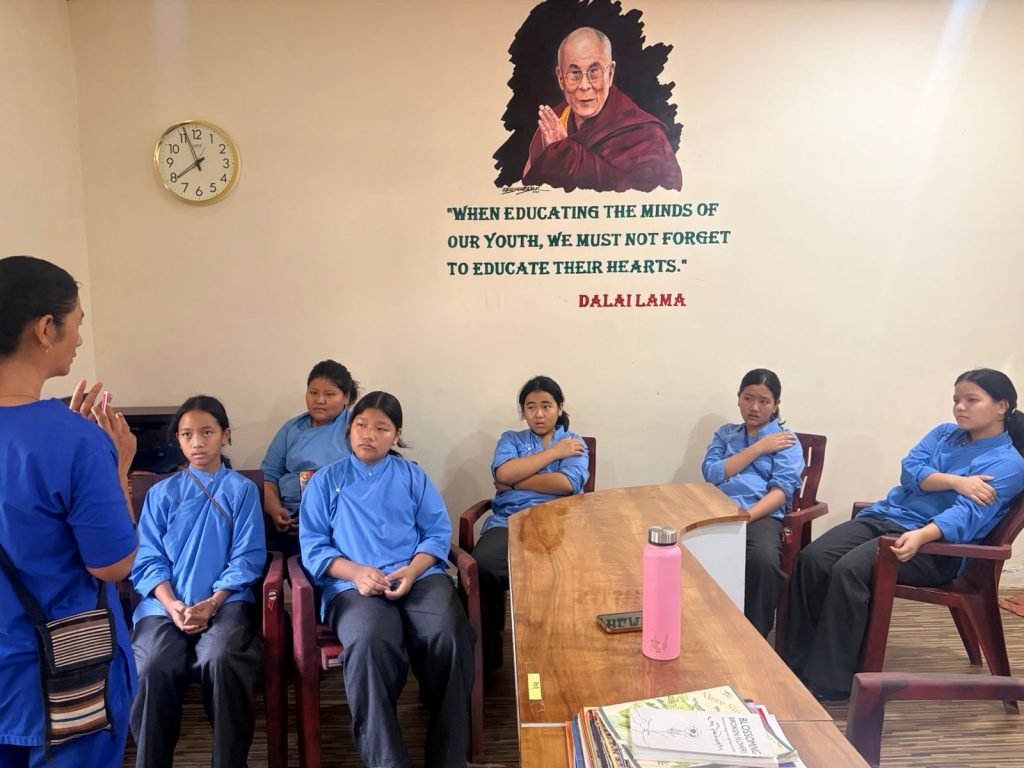
Department of Health Continues HPV Vaccination Drive and Awareness Session for Schoolgirls – Central Tibetan Administration
In a decisive move to safeguard the future health of young women within the community, the Department of Health Continues HPV Vaccination Drive and Awareness Session for Schoolgirls – Central Tibetan Administration, marking a critical expansion of its preventative healthcare strategy. By integrating clinical immunization with comprehensive educational outreach, the Central Tibetan Administration (CTA) is tackling one of the most preventable causes of cancer: the Human Papillomavirus (HPV). This initiative is not merely a medical campaign but a systemic effort to dismantle the barriers of misinformation and lack of access that often hinder women’s health in marginalized or displaced populations.
Cervical cancer remains a significant global health burden, yet We see uniquely preventable through a combination of early vaccination and regular screening. For the Tibetan community, the CTA’s Department of Health is leveraging school-based interventions to ensure that adolescent girls receive the necessary protection before they are exposed to the virus. This proactive approach aligns with international health standards and underscores a commitment to achieving long-term health equity and longevity for the next generation of Tibetan women.
The Mechanics of the HPV Vaccination Campaign
The current drive is structured as a dual-pronged approach: the delivery of the vaccine and the implementation of awareness sessions. The Department of Health recognizes that medical intervention without education often leads to vaccine hesitancy or incomplete dosing schedules. The campaign begins with an “Awareness First” model.
Integrated Educational Outreach
Before a single dose is administered, health professionals and educators conduct detailed sessions for the students. These sessions are designed to translate complex virology into accessible language, explaining how HPV affects the body and why the vaccine is most effective when administered in early adolescence. By targeting school-aged girls, the CTA ensures a high capture rate, utilizing the school environment as a hub for public health delivery.
Key components of these awareness sessions include:
- The Science of Prevention: Explaining the link between HPV and cervical malignancy.
- Addressing Myths: Clearing misconceptions regarding the vaccine’s safety and its relationship to reproductive health.
- Parental Engagement: Providing resources for students to take home, ensuring that guardians are informed and supportive of the vaccination process.
- Long-term Health Literacy: Teaching girls the importance of preventative screenings (like Pap smears) later in life.
Clinical Implementation and Logistics
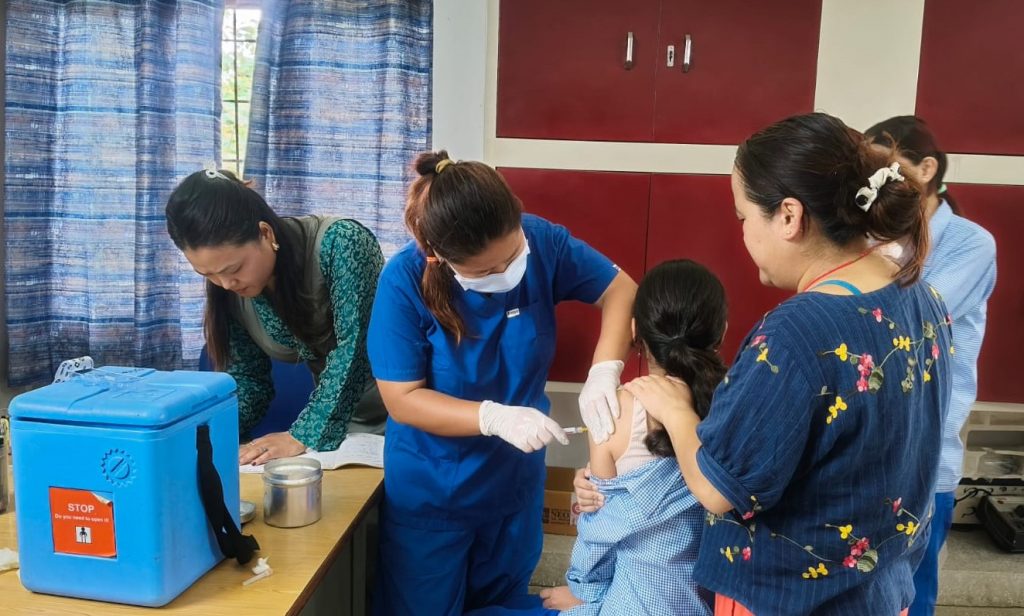
The vaccination process is carried out by trained medical staff from the Department of Health, following strict cold-chain protocols to ensure vaccine potency. The logistical challenge of reaching various school clusters is managed through a coordinated schedule that minimizes disruption to the academic calendar while maximizing coverage.
“Preventative healthcare is the most cost-effective and humane way to manage public health. By vaccinating schoolgirls today, we are effectively eliminating a future burden of disease that would otherwise devastate families and strain healthcare resources.”
Understanding the Threat: Why HPV Vaccination is Critical
To understand why the Department of Health Continues HPV Vaccination Drive and Awareness Session for Schoolgirls – Central Tibetan Administration is so vital, one must understand the nature of the Human Papillomavirus. HPV is a common group of related viruses; some types cause warts, while others—high-risk strains—can lead to cancers of the cervix, vagina, vulva, penis, and anus.
The Link to Cervical Cancer
Almost all cases of cervical cancer are caused by high-risk HPV infections. While many HPV infections clear on their own, a minor percentage persist and lead to cellular changes in the cervix. Over several years, these changes can progress to cancer if left undetected and untreated. The tragedy of cervical cancer is that it is almost entirely preventable if the virus is stopped from infecting the host in the first place.
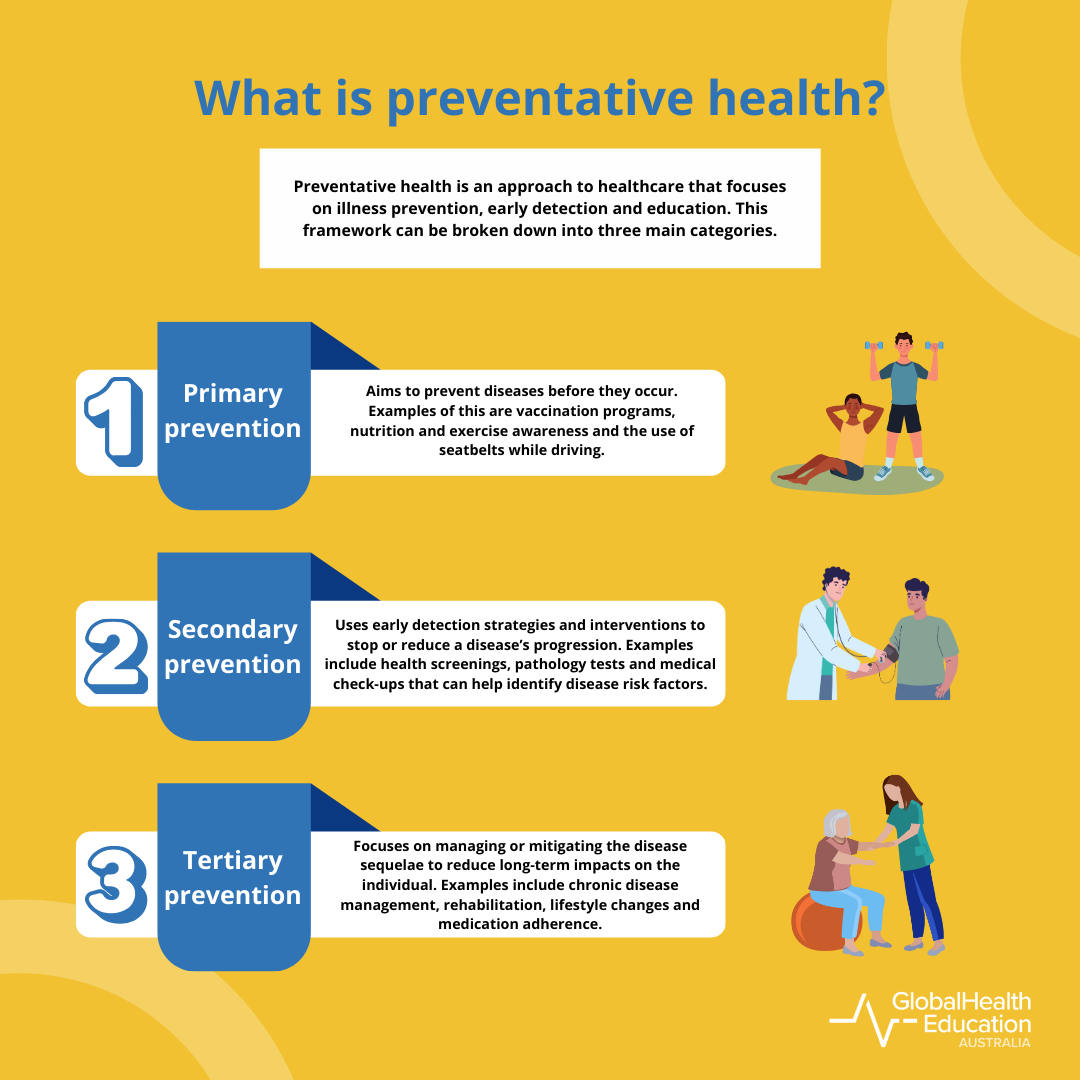
The vaccine works by stimulating the immune system to produce antibodies that prevent the virus from entering the cells. It is most effective when given before any sexual activity occurs, which is why the CTA targets school-aged girls. This “priming” of the immune system provides robust, long-lasting protection.
| Feature | HPV Infection (Untreated) | HPV Vaccination (Preventative) |
|---|---|---|
| Primary Risk | High risk of cervical dysplasia and cancer | Significant reduction in cancer risk |
| Detection | Often asymptomatic until advanced stages | Proactive protection before exposure |
| Treatment | Surgery, Chemotherapy, Radiation | Simple immunization series |
| Impact | High morbidity and mortality rates | Long-term health security |
The Strategic Role of the Central Tibetan Administration in Public Health
The Central Tibetan Administration operates in a unique geopolitical context, providing governance and essential services to a community in exile. The Department of Health’s role is not just to treat illness but to build a sustainable health infrastructure that can withstand the challenges of displacement and limited resources.
Governance of Health in Exile
Managing public health for a diaspora requires a high degree of coordination. The CTA must collaborate with local host-country health authorities while maintaining its own specialized focus on the specific needs of the Tibetan people. The HPV drive is a prime example of “Community-Centered Health,” where the administration identifies a specific vulnerability (lack of HPV awareness) and deploys a targeted solution.
Overcoming Cultural and Social Barriers
In many traditional communities, discussions surrounding HPV—which is sexually transmitted—can be taboo. This represents where the “Awareness Session” aspect of the campaign becomes indispensable. By framing the vaccination as a “cancer prevention” measure rather than a conversation about sexual activity, the Department of Health successfully navigates cultural sensitivities. This strategic communication ensures that the vaccine is viewed as a protective shield for a daughter’s future health, rather than a social statement.
The administration’s approach focuses on three pillars of trust:
- Expertise: Using qualified medical professionals to lead the drive.
- Transparency: Openly discussing side effects and benefits.
- Accessibility: Bringing the vaccine to the schools, removing the need for parents to navigate complex clinic appointments.
Comparing the CTA Initiative to Global Health Standards
The World Health Organization (WHO) has launched a global strategy to eliminate cervical cancer as a public health problem. The WHO’s “90-70-90” targets include vaccinating 90% of girls by age 15. The Department of Health Continues HPV Vaccination Drive and Awareness Session for Schoolgirls – Central Tibetan Administration is a localized manifestation of this global goal.
Alignment with International Protocols
By adopting these standards, the CTA ensures that the Tibetan community is not left behind in the global progress against cancer. The use of school-based vaccination is a gold-standard practice used in countries like Australia, the UK, and Canada, as it eliminates the “equity gap” where only wealthy families can afford the vaccine.
The Prevention vs. Treatment Paradigm
From an economic and social perspective, the CTA is shifting from a reactive healthcare model (treating cancer) to a proactive one (preventing it). Treatment for cervical cancer is prohibitively expensive and physically grueling. In contrast, a series of vaccinations is a one-time investment that pays dividends for decades. This shift is essential for a community that relies on collective resource management.
For more information on how the CTA manages overall community wellness, you may find a related explainer on Tibetan public health infrastructure useful.
Common Misconceptions Regarding the HPV Vaccine
A significant portion of the awareness sessions is dedicated to debunking myths that often circulate on social media or through word-of-mouth. To ensure the success of the drive, the Department of Health addresses several key points:
Myth 1: The vaccine encourages early sexual activity.
The Fact: Multiple global studies have shown that there is no link between HPV vaccination and an increase in sexual activity. The vaccine is a medical preventative, similar to how a childhood polio vaccine does not encourage a child to seek out the polio virus.
Myth 2: The vaccine is unsafe or causes infertility.
The Fact: HPV vaccines have undergone some of the most rigorous safety testing in medical history. There is no scientific evidence linking the vaccine to infertility; in fact, by preventing cervical cancer and the subsequent surgeries (like hysterectomies) required to treat it, the vaccine actually protects a woman’s future ability to have children.
Myth 3: Only “at-risk” individuals need the vaccine.
The Fact: HPV is incredibly common; most people will be exposed to some strain of the virus at some point in their lives. Because the virus is so pervasive and often asymptomatic, the only way to ensure protection is through universal vaccination of the target age group.
Long-term Implications for the Community
The success of the Department of Health Continues HPV Vaccination Drive and Awareness Session for Schoolgirls – Central Tibetan Administration will be measured not just in the number of doses administered, but in the long-term health outcomes of the population.
Breaking the Cycle of Disease
By immunizing a critical mass of the current generation of schoolgirls, the CTA is creating a “herd effect” within the community. As more individuals become immune to the high-risk strains of HPV, the overall prevalence of the virus drops, reducing the risk for everyone.
Empowering Young Women
Beyond the biological protection, these sessions empower young girls with knowledge about their own bodies. Health literacy is a form of empowerment. When a girl understands the link between a virus and cancer, and knows how to prevent it, she becomes an advocate for her own health and a source of information for her peers.
The implications extend to the family unit as well. When parents see the administration taking a proactive stance on cancer prevention, it fosters a culture of preventative care, encouraging them to seek other necessary screenings and vaccinations for their families.
Sustainable Healthcare Goals
This drive is part of a larger roadmap to modernize healthcare within the Tibetan exile community. By integrating digital record-keeping for vaccinations and maintaining a follow-up schedule, the Department of Health is building a database that will allow for better health tracking and intervention in the future.
Frequently Asked Questions
What exactly is the HPV vaccine, and how does it work?
The HPV vaccine is a preventative immunization that protects against the Human Papillomavirus, specifically the high-risk strains that cause cervical and other cancers. It works by mimicking the outer shell of the virus, prompting the body to create antibodies. If the person is later exposed to the actual virus, their immune system recognizes it and destroys it before it can infect cells.
Why is the Central Tibetan Administration targeting schoolgirls specifically?
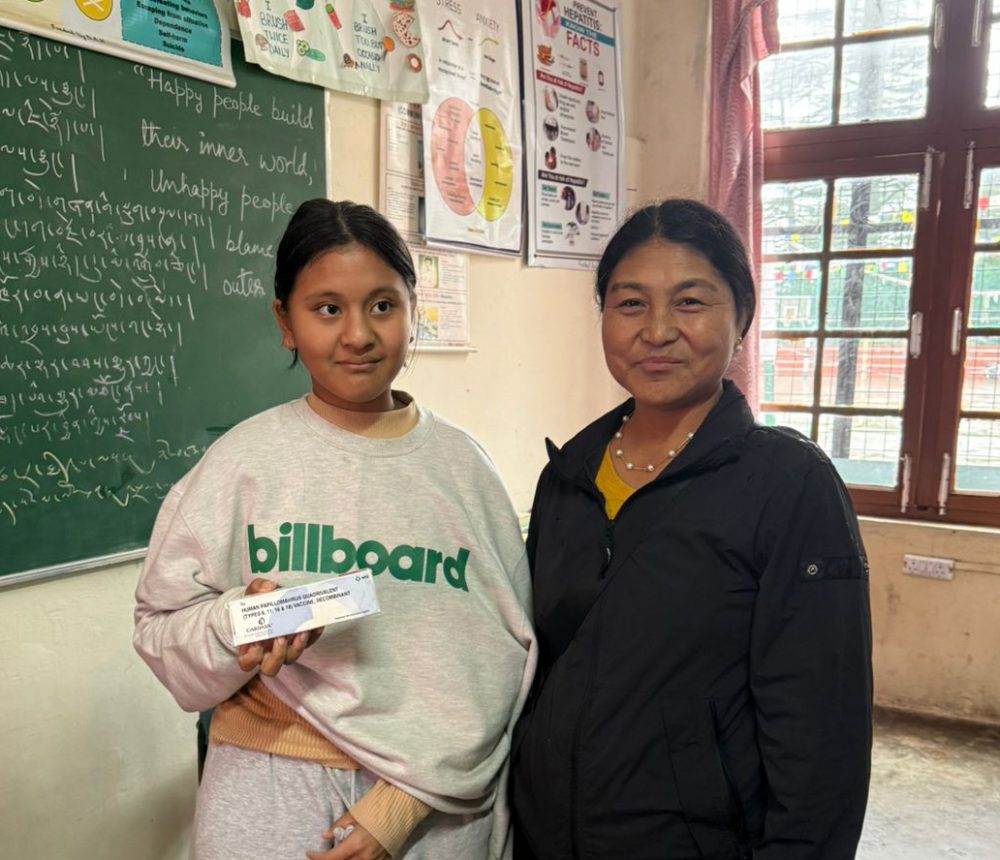
The vaccine is most effective when administered before a person is exposed to the virus. School-aged girls (typically between 9 and 14) are the ideal demographic because their immune response is stronger at this age, and they have not yet been exposed to HPV. Schools provide a centralized location to ensure that no child is missed due to geographic or financial barriers.
Are the awareness sessions mandatory for the students?
While the sessions are integrated into the drive to ensure informed consent, the primary goal is education. The Department of Health believes that a vaccinated child whose parents are informed and supportive is more likely to complete the full course of the vaccine, which is essential for maximum efficacy.
What are the common side effects of the HPV vaccine?
Like any vaccine, the HPV shot may cause mild side effects. The most common are soreness, redness, or swelling at the injection site. Some individuals may experience a mild fever or headache. These are normal signs that the body is building immunity and typically resolve within 24 to 48 hours.
Can the vaccine treat an existing HPV infection?
No, the HPV vaccine is preventative, not curative. It cannot remove an existing infection or treat cervical cancer. This is why the drive emphasizes early vaccination. For those who have already been exposed, the CTA and health providers recommend regular screening via Pap tests or HPV DNA tests to detect precancerous changes early.
The Path Forward in Preventative Care
The ongoing efforts of the Department of Health represent a significant milestone in the community’s approach to women’s health. By combining the clinical precision of a vaccination drive with the social necessity of awareness sessions, the Central Tibetan Administration is creating a blueprint for how displaced communities can manage complex public health challenges.
The focus now shifts toward maintaining high coverage rates and ensuring that the “awareness” aspect of the campaign evolves into a permanent part of the community’s health education. As the drive continues, the emphasis will remain on inclusivity—ensuring that every schoolgirl, regardless of her location or socioeconomic status, has access to this life-saving intervention. The ultimate goal is a future where cervical cancer is no longer a threat to the women of the Tibetan community, replaced instead by a culture of proactive health and informed wellness.
For those interested in the broader scope of these initiatives, a guide to community health outreach may provide further insight into the strategies used to implement such large-scale medical drives.
