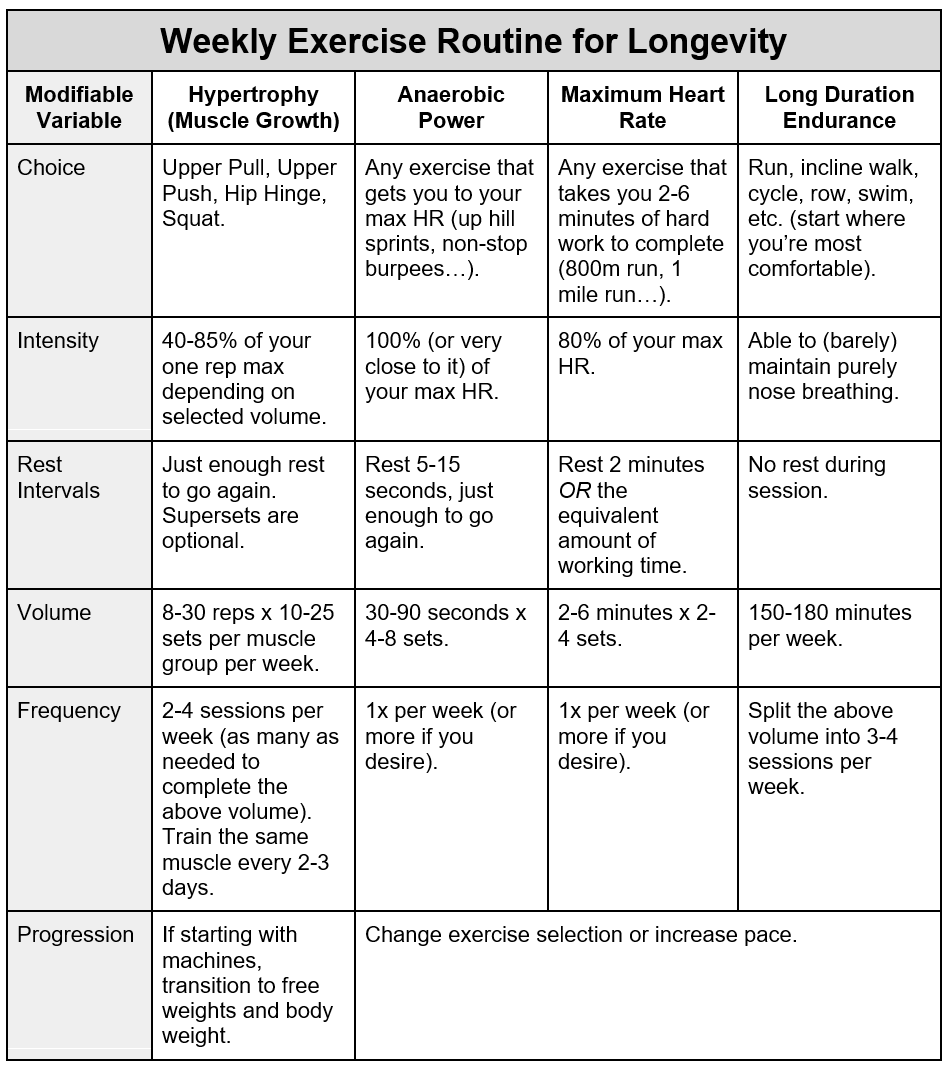
Strength training combined with cardiovascular exercise increases life expectancy, according to research involving more than 140,000 participants. While aerobic activity is beneficial, data cited by Harvard indicates that resistance training provides critical longevity benefits that cardio alone cannot achieve.
- Combined Effect: Integrating strength training with cardio is more effective for longevity than aerobic exercise alone.
- Study Scale: A large-scale analysis of over 140,000 people identified a specific weekly “dose” of strength training that maximizes health benefits.
- Functional Aging: While biological aging is inevitable, targeted daily exercise can prevent the functional decline associated with “becoming old.”
Why is cardio alone insufficient for longevity?
Cardiovascular exercise is a cornerstone of heart health, but it does not address all the physiological requirements for a longer life. According to research cited by Science et vie, Harvard experts indicate that cardio is not enough to maximize life expectancy. To achieve optimal results, individuals must add strength training to their routines.
The distinction lies in the different ways these exercises affect the body. While cardio improves respiratory and heart efficiency, resistance training maintains muscle mass and bone density, which are critical factors in preventing frailty and mortality in older age.
What does the research say about the “optimal dose” of strength training?
A study involving more than 140,000 people focused on identifying the most beneficial weekly amount of strength training to extend life expectancy. According to reporting by Europe 1, this research identified a specific weekly dose of musculation that provides the highest benefit for longevity.
The findings suggest that strength training is not merely a supplement to fitness but a primary driver of a longer lifespan. By analyzing a massive dataset, researchers were able to correlate specific durations of resistance training with reduced mortality rates.
How can exercise prevent the effects of aging?
There is a clinical distinction between the chronological process of aging and the functional decline often described as “becoming old.” According to Le Quotidien Jurassien, while biological aging cannot be stopped, the physical degradation associated with old age can be mitigated.
The report highlights the use of five specific series of daily exercises designed to maintain mobility and strength. These routines aim to preserve autonomy and physical function, ensuring that the body remains capable even as it ages chronologically.
