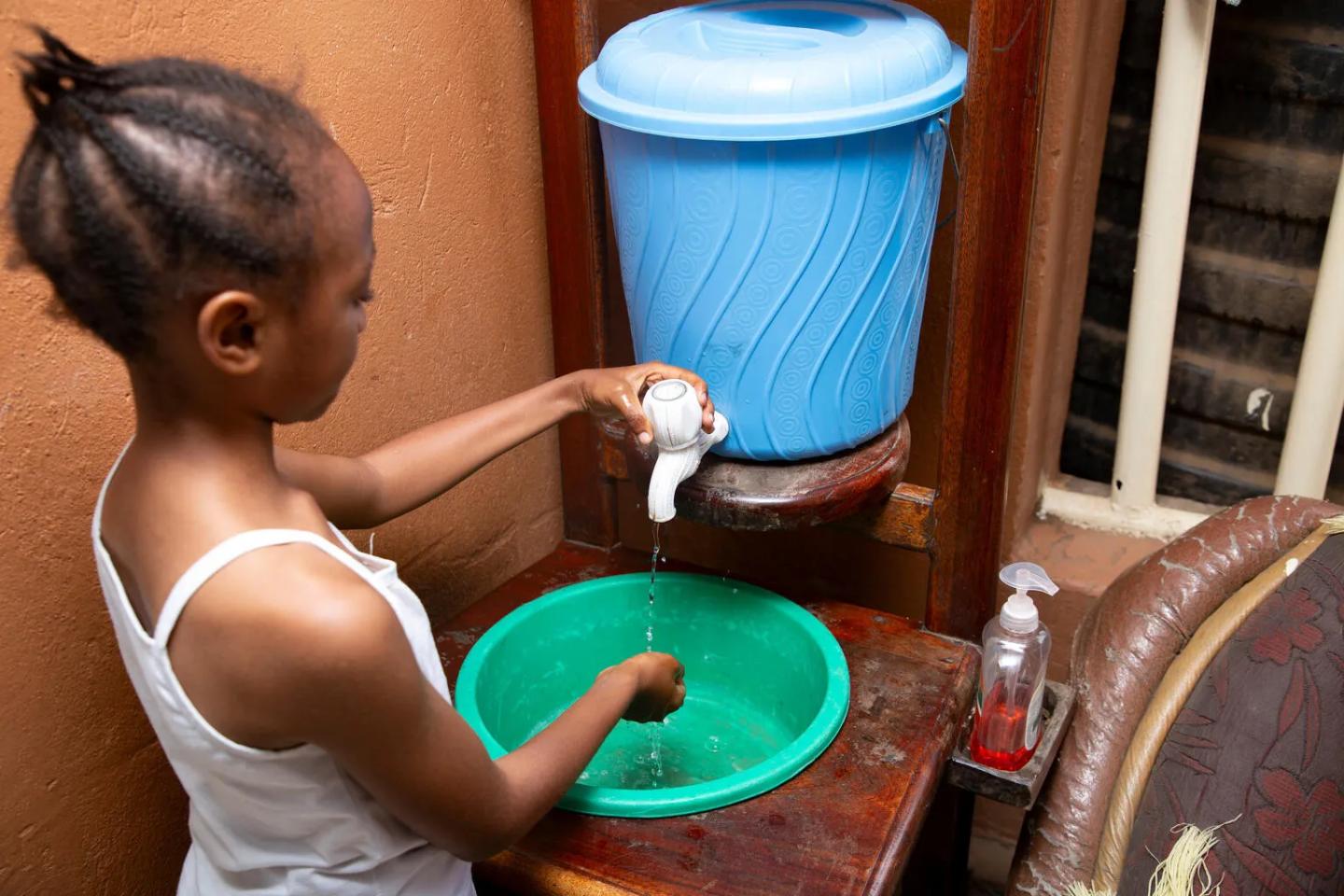
Ebola Cases in DR Congo Surpass 1,000 as Nearly 3 Million Children Face Escalating Risks in War-Torn East
The Democratic Republic of Congo’s Ebola outbreak has crossed a grim milestone, with confirmed cases now exceeding 1,000 and at least 254 deaths reported by health authorities. As the epidemic spreads across conflict-ravaged regions, nearly 3 million children and adolescents in eastern Congo are now at heightened risk of infection, malnutrition, and disrupted education—according to the latest assessments from the United Nations Children’s Fund (UNICEF) and the World Health Organization (WHO).
With active transmission zones overlapping with armed group strongholds and displaced populations, experts warn the crisis could worsen before international aid reaches scale. The outbreak’s persistence—now in its fifth year—highlights how persistent violence, distrust of health workers, and logistical challenges have turned eastern Congo into a “perfect storm” for infectious disease spread, according to a senior WHO epidemiologist.
This article examines the outbreak’s current scale, the specific threats facing children, the obstacles hindering response efforts, and what the next critical months could bring for one of the world’s most fragile health systems.
—
How the Ebola Outbreak Reached 1,000 Cases—and Why It’s Still Spreading
Health officials confirmed the 1,000th Ebola case in late June, marking a sobering threshold in an outbreak that began in August 2018. The virus, identified as the Sudan ebolavirus strain, has now infected at least 1,012 people and killed 254, according to the DRC’s Ministry of Health and WHO data. While the death toll remains lower than in the 2014–2016 West Africa epidemic, the current outbreak’s longevity and geographic spread have alarmed public health experts.
Key figures as of mid-2024:
- Confirmed cases: 1,012 (including probable cases)
- Deaths: 254 (case fatality rate ~25%)
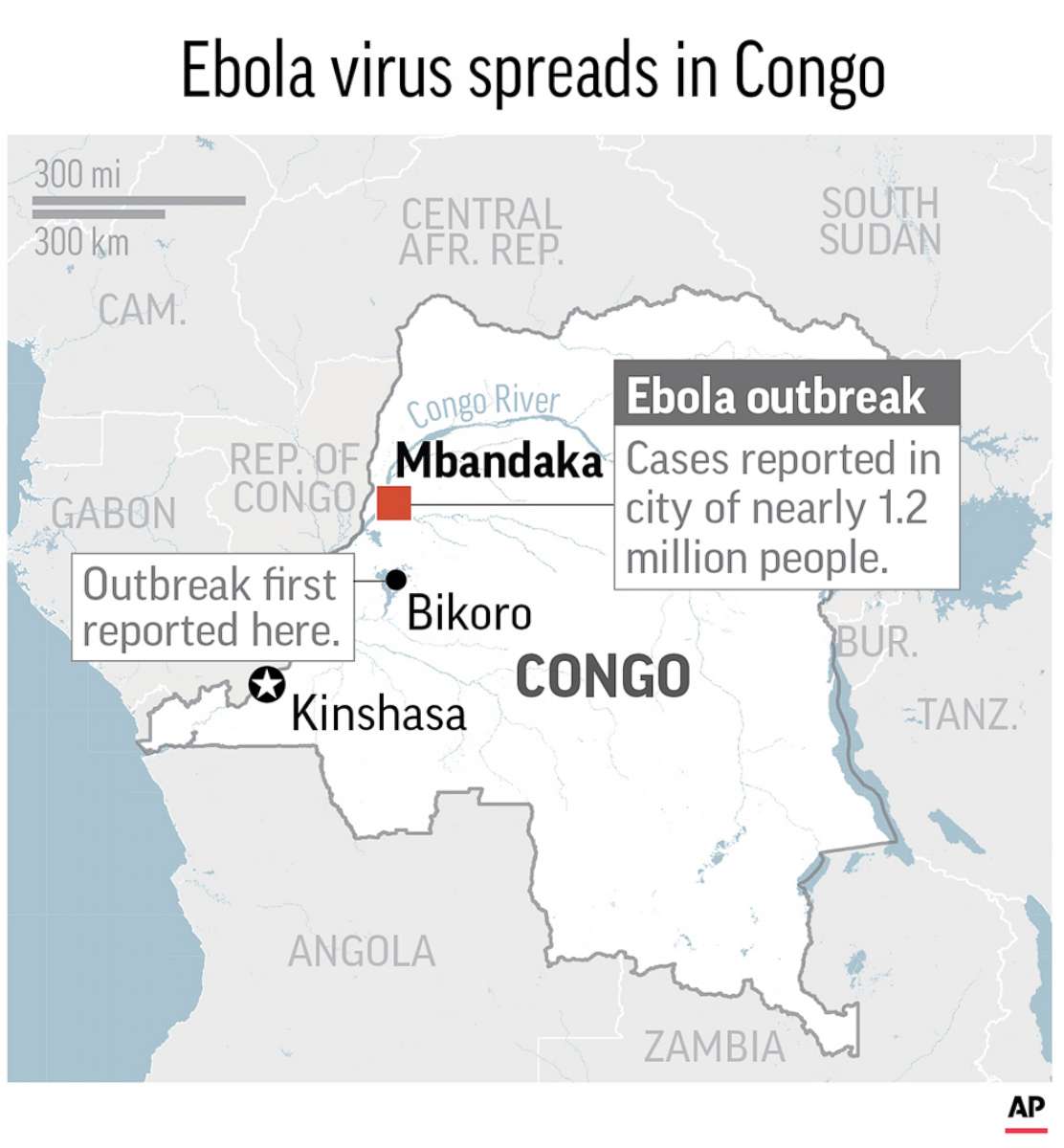
- Active transmission zones: North Kivu, Ituri, and South Kivu provinces
- Time since first case: 6+ years (longest active outbreak in DRC history)
Unlike previous outbreaks in Congo, this one has persisted despite multiple vaccine campaigns and treatment centers. The primary reasons include:
- Armed conflict: At least 120 health workers have been killed or injured since 2018, per the WHO, forcing facilities to close temporarily.
- Distrust of authorities: Rumors and misinformation—often fueled by armed groups—have led communities to reject vaccinations and burial protocols.
- Mobility challenges: Displacement due to violence has scattered infected individuals across remote areas, complicating contact tracing.
WHO officials note that the outbreak’s slow burn has made it harder to contain. “In previous epidemics, we saw exponential growth in cases,” said Dr. Matshidiso Moeti, WHO regional director for Africa. “Here, the virus has adapted to the environment—low-intensity transmission in pockets where services are weak.”
—
Nearly 3 Million Children at Risk: What the Numbers Mean
UNICEF estimates that 2.9 million children under 18 now live in high-risk areas where Ebola transmission is active or likely. For these children, the immediate dangers include:
Direct Ebola exposure
Children account for 15% of confirmed cases, though underreporting is suspected due to stigma around testing. In some districts, child mortality rates have risen by 30% since 2023, per UNICEF’s emergency tracking.
Disrupted healthcare
Over 400 health centers in North Kivu and Ituri have suspended routine services, leaving children vulnerable to preventable diseases like malaria and measles. A UNICEF survey found that 60% of displaced families reported skipping vaccinations for their children in the past six months.
Nutrition crises
Food insecurity has worsened as farming communities abandon crops near Ebola hotspots. In Ituri, acute malnutrition rates among children under 5 have climbed to 12% above emergency thresholds, according to the UN’s Integrated Food Security Phase Classification (IPC).
Education collapse
More than 1,200 schools remain closed in affected zones, displacing 500,000 students. UNICEF warns that prolonged school closures could push 200,000 children into child labor or early marriages.
Why children are uniquely vulnerable:
“Children don’t always show symptoms until the disease is advanced, and families may delay seeking care due to fear or cost,” said Dr. Catherine Russell, UNICEF executive director. “When parents fall ill, children are left to care for younger siblings—creating a cycle of transmission.”
—
Violence and Displacement: The Hidden Drivers of the Outbreak
The Ebola response in eastern Congo operates against a backdrop of relentless conflict. Since 2018, over 1.7 million people have been displaced by fighting between government forces, rebel groups like the M23, and armed militias, per the UN’s Internal Displacement Monitoring Centre (IDMC).
How conflict fuels Ebola spread
- Blocked aid routes: The M23’s recent offensive in North Kivu has cut off supply lines to 80% of Ebola treatment centers, forcing temporary closures.
- Forced displacements: IDPs (internally displaced persons) often move into crowded camps where hygiene collapses—ideal conditions for viral spread.
- Health worker attacks: In 2023 alone, 27 health staff were targeted, including a mass shooting at a vaccination site in Beni that killed five.
UNHCR reports that 90% of displaced families in Ebola-affected areas lack access to safe water or sanitation—critical for breaking transmission chains. “We’re seeing a feedback loop,” said Jean-Pierre Lacroix, UNHCR chief. “Displacement creates Ebola risks, and Ebola deepens displacement.”
A comparison: Past outbreaks vs. today’s challenges
Unlike the 2014–2016 West Africa epidemic—where weak health systems enabled rapid spread—today’s Congo outbreak is constrained by:
- Geographic containment: Transmission is concentrated in three provinces, not a regional crisis.
- Vaccine availability: Over 400,000 doses of the Ervebo vaccine have been deployed, though uptake varies.
- Experience factor: Local health workers now have decades of Ebola response experience from prior outbreaks.
However, these advantages are undermined by chronic insecurity. “In 2014, we had governments willing to shut borders and enforce quarantines,” said a WHO strategist. “Here, the state’s authority doesn’t extend beyond the capital.”
—
What’s Being Done—and Where Gaps Remain
International and local responders have scaled up efforts, but coordination remains fragmented. Key actions include:
Medical response
- Treatment centers: 22 operational, with 1,200 beds (though only 60% are fully staffed).
- Vaccination: 350,000 doses administered, but coverage drops to 30% in conflict zones.
- Surveillance: Mobile teams now use AI-powered contact tracing in high-risk areas.
Child protection measures
- UNICEF has trained 1,500 community health workers to identify Ebola symptoms in children.
- Emergency nutrition programs reach 800,000 children monthly, though funding gaps persist.
- Psychosocial support teams are deployed to schools reopening in former hotspots.
Funding shortfalls
Despite the crisis, only 40% of the $180 million requested by the UN for 2024 has been pledged. “We’re running on fumes,” said a WHO official. “Without sustained funding, we’ll see cases rise again.”
Where the response falls short:
“The biggest gap isn’t medical—it’s social,” said a senior UNICEF advisor. “We can treat Ebola, but we can’t treat the fear that keeps families from seeking help.”
—
What Comes Next: Three Critical Scenarios
Public health experts outline three possible trajectories for the outbreak in the coming months:
1. Containment (Best-case)
If security improves and vaccination coverage reaches 70% in high-risk areas, cases could drop below 100 by late 2024. This would require:
- Ceasefires in North Kivu and Ituri.
- Sustained donor funding ($50M/quarter).
- Community trust rebuilt through local health leaders.
2. Plateau (Likely)
With current conditions, the outbreak may stabilize at 50–100 new cases/month, mirroring the pattern seen in 2022–2023. Challenges include:
- Persistent armed group activity.
- Fatigue among health workers.
- Seasonal spikes during rainy seasons (October–December).
3. Resurgence (Worst-case)
If funding collapses or new armed conflicts erupt, cases could rebound to 200+/month, risking regional spread. “Uganda’s 2022 outbreak proved how quickly Ebola can cross borders,” warned a CDC epidemiologist.
Regardless of the path, children will bear the brunt. UNICEF projects that 1.2 million children could face severe acute malnutrition by year’s end if aid doesn’t scale.
—
Frequently Asked Questions
How does Ebola spread, and can it be prevented?
Ebola transmits through direct contact with bodily fluids (blood, vomit, etc.) or contaminated surfaces. Prevention relies on:
- Hand hygiene (soap/water or chlorine).
- Avoiding contact with sick or deceased individuals.
- Safe burial practices (cremation or body bags).
Vaccination (Ervebo) is 97% effective after two doses, per WHO trials.
Why haven’t we seen more cases in neighboring countries?
Border controls, early detection, and Uganda’s rapid response in 2022 have limited spillover. However, Congo’s porous borders and high mobility mean risks remain. “One infected traveler can restart an outbreak,” said a WHO border health specialist.
What’s the difference between this Ebola strain and the 2014–2016 one?
This outbreak involves the Sudan ebolavirus strain, while West Africa’s was Zaire ebolavirus (more deadly). Sudan ebolavirus has a 50% case fatality rate but spreads more slowly. Both require identical containment measures.
How can people help?
Donations to:
- UNICEF’s Congo Ebola Response (learn more)
- WHO’s Emergency Fund (contribute here)
- Local NGOs like Médecins Sans Frontières (MSF)
Advocacy: Pressure governments to fund aid and protect health workers.
Is there a cure for Ebola?
No licensed cure exists, but four experimental treatments (e.g., mAb114, REGN-EB3) have shown 90%+ survival rates in clinical trials. These are used in Congo’s treatment centers.
What’s the long-term impact on Congo’s children?
Beyond Ebola, children face:
- Trauma: 40% of displaced kids show signs of PTSD.
- Lost education: 3 years of schooling disrupted for 500,000+.
- Economic scars: Families may sell assets to pay for healthcare.
UNICEF estimates it will take 5–10 years to recover from the outbreak’s social effects.
—
