
European Commissioner Hoekstra is pushing for lower corporate taxes as part of a broader European Commission effort to revise tax rules. These changes may result in losses of hundreds of millions of euros for the Dutch treasury and have placed the Netherlands’ “Box 2” and “Box 3” tax structures under increased scrutiny, according to multiple local media reports.
- Corporate Tax: Commissioner Hoekstra is advocating for reduced taxes for companies.
- Treasury Impact: Potential losses for the Dutch state are estimated in the hundreds of millions of euros.
- Box 2 Scrutiny: Analysts warn that revisions to Box 2 are not a “miracle cure” for lowering taxes.
- Box 3 Risks: Current structures are being characterized as a potential “financial time bomb.”
How EU Corporate Tax Changes Affect the Dutch Treasury
The European Commission is currently adjusting profit tax regulations, a move that creates a direct conflict between corporate competitiveness and national revenue. According to reports from Het Financieele Dagblad, these Brussels-led plans for profit taxation are expected to cost the Dutch treasury hundreds of millions of euros.
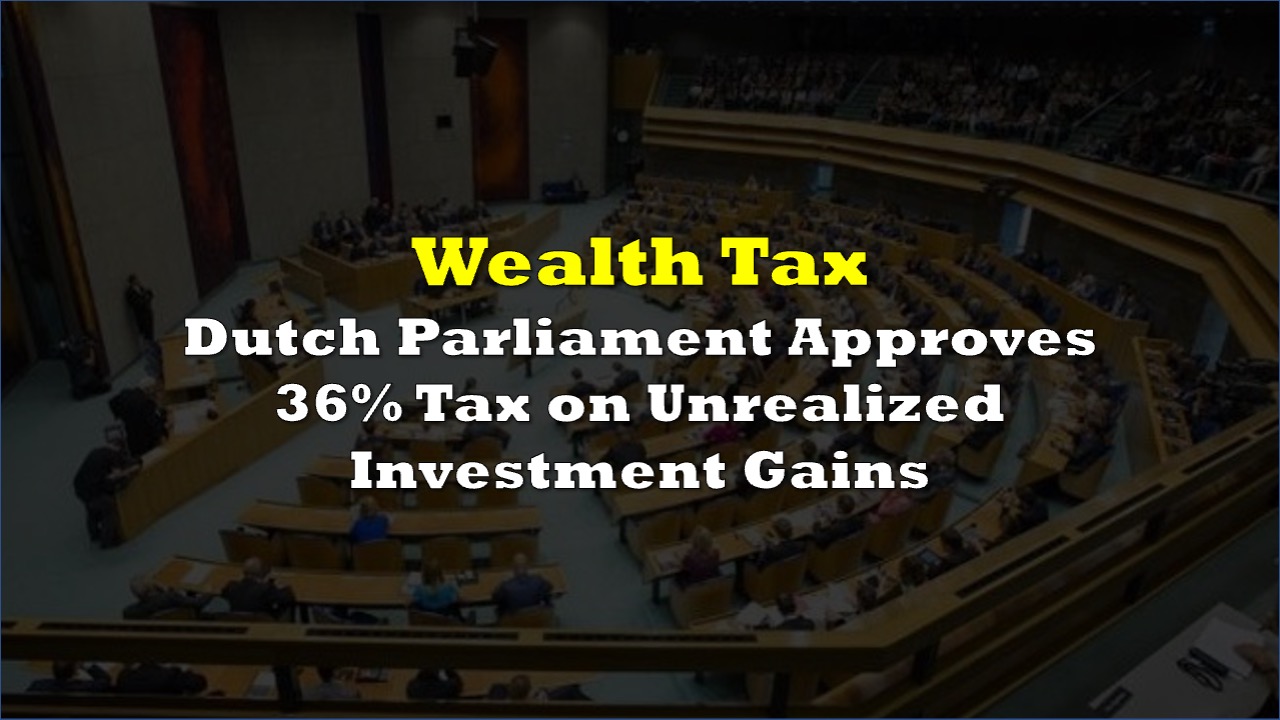
The push for lower corporate taxes is led by Commissioner Hoekstra. While the goal is to reduce the tax burden on businesses to stimulate growth, NRC reports that this shift directly impacts the Dutch state’s financial reserves.
The Regulatory Status of Box 2 and Box 3
The proposed EU changes have intensified the focus on the Dutch “Box” system, which categorizes income for taxation purposes. Box 2, which typically deals with taxes on dividends and capital gains for substantial interests, is now under closer examination.
According to De Telegraaf, there is a prevailing view among critics that these adjustments are not a comprehensive solution for tax reduction:
It is no miracle cure for lower taxes.
Simultaneously, the stability of Box 3—the category covering savings and investments—is being questioned. EWmagazine.nl describes the current state of Box 3 as a potential “financial time bomb,” suggesting that the existing framework may be unsustainable under new regulatory pressures.
Comparing the Risks to National Revenue
The current situation presents a two-pronged risk to the Netherlands’ fiscal architecture. On one side, the European Commission’s overarching corporate tax goals threaten immediate losses in the hundreds of millions. On the other, the internal “Box” system faces structural instability.
While the corporate tax changes are driven by an external EU mandate to lower business costs, the Box 3 crisis is framed as an internal systemic failure. This contrast highlights a tension between the European Commission’s drive for a more business-friendly tax environment and the Dutch government’s need to maintain a stable treasury.
