
3 Ways GLP-1 Drugs Could Be Getting Better – The Washington Post Analysis
GLP-1 receptor agonists are evolving through three primary advancements: the transition from injectable to oral delivery, the development of multi-hormone “poly-agonists” to increase weight loss and preserve muscle, and the expansion of clinical use to treat comorbidities like sleep apnea and kidney disease, according to reports from The Washington Post, AJMC, and The New York Times.
The medical landscape for obesity and diabetes treatment is shifting from simple glucose management to a broader metabolic overhaul. While first-generation GLP-1 drugs focused primarily on blood sugar, current research is targeting the biological causes of weight regain and the systemic inflammation associated with chronic obesity. Data from recent clinical trials indicate that the next generation of these therapies will likely prioritize “quality” weight loss—specifically the preservation of lean muscle mass—while reducing the gastrointestinal side effects that lead many patients to discontinue treatment.
How is the delivery of GLP-1 medications changing?
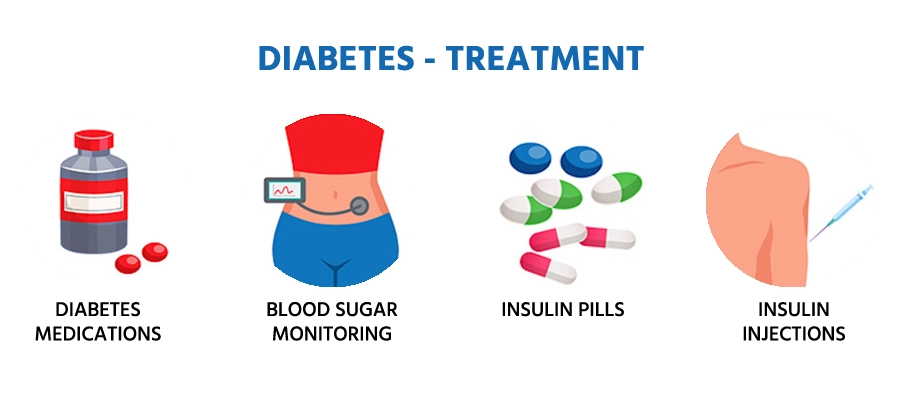
One of the most significant hurdles for patient adherence to GLP-1 therapies is the requirement for subcutaneous injections. According to The Washington Post, the industry is moving toward oral formulations to increase accessibility and patient comfort. While some oral versions already exist, they often suffer from low bioavailability, meaning only a small fraction of the drug enters the bloodstream.
Current pharmaceutical research is focused on improving the absorption rates of oral GLP-1s. This shift is not merely about convenience; it is a strategic move to expand the treatable population. Patients who are needle-phobic or those who require lower, maintenance-level doses may find oral tablets more sustainable for long-term use.
The transition to oral delivery involves complex chemistry to prevent the stomach’s enzymes from breaking down the peptide before it can be absorbed. According to industry analysis, the goal is to create a pill that matches the efficacy of the weekly injection. This would transform obesity treatment from a clinical procedure into a daily or weekly pharmacy routine, similar to statins or blood pressure medication.
The impact of oral delivery on healthcare access
- Reduced Clinical Burden: Oral drugs remove the need for patients to be trained in injection techniques by healthcare providers.
- Cold-Chain Logistics: Many injectable GLP-1s require refrigeration. Oral tablets simplify storage and shipping, potentially lowering costs in the long run.
- Dosing Flexibility: Pills allow for more precise titration, enabling doctors to adjust doses more easily to mitigate nausea.
Why are researchers moving toward multi-hormone agonists?
The original GLP-1 drugs mimic a single hormone—glucagon-like peptide-1—which slows gastric emptying and signals fullness to the brain. However, The New York Times reports that the understanding of weight loss is rapidly changing, leading researchers to explore “poly-agonists” that target multiple receptors simultaneously.
The most prominent evolution is the move toward dual agonists, such as those targeting both GLP-1 and GIP (glucose-dependent insulinotropic polypeptide). According to AJMC, these dual-action drugs can produce more significant weight loss than GLP-1 alone because GIP may help improve how the body breaks down fats and sugars, while potentially buffering some of the nausea associated with GLP-1.
The next frontier involves triple agonists, which add a third hormone: glucagon. Glucagon increases energy expenditure by stimulating the liver to release glucose and increasing the body’s overall metabolic rate. By combining GLP-1 (appetite suppression), GIP (metabolic efficiency), and glucagon (calorie burning), researchers aim to create a more potent weight-loss effect that mimics the results of bariatric surgery.
The challenge of muscle preservation
A critical concern with rapid weight loss is the loss of lean muscle mass, often referred to as “sarcopenia.” When a patient loses 15% to 20% of their body weight, a significant portion of that loss can come from muscle rather than fat. According to reports on the future of metabolic treatments, the “better” version of these drugs will be those that can decouple fat loss from muscle loss.
Researchers are investigating how to combine GLP-1s with other agents or specific hormone profiles that protect muscle tissue. This is essential for long-term health, as muscle mass is a primary driver of basal metabolic rate; losing too much muscle can make it easier for patients to regain weight once they stop the medication.
| Drug Type | Hormones Targeted | Primary Goal | Reported Advantage |
|---|---|---|---|
| Single Agonist | GLP-1 | Blood sugar & appetite | Proven safety profile |
| Dual Agonist | GLP-1 + GIP | Enhanced weight loss | Better fat metabolism |
| Triple Agonist | GLP-1 + GIP + Glucagon | Maximized caloric burn | Higher weight loss potential |
How are GLP-1s expanding beyond weight loss and diabetes?
The application of GLP-1 drugs is moving “beyond the scale,” according to AJMC. While the public perceives these as weight-loss drugs, clinical data suggests they act as systemic anti-inflammatory agents. This has opened the door to treating a wide array of comorbidities that share a common root in metabolic dysfunction.
One of the most significant expansions is in cardiovascular health. Clinical trials have shown that GLP-1 receptor agonists can reduce the risk of major adverse cardiovascular events, such as heart attack and stroke, in patients with type 2 diabetes and obesity. This positions the drugs as preventative cardiac medicine rather than just metabolic tools.
Furthermore, research is expanding into the following areas:
Chronic Kidney Disease (CKD)
According to recent clinical findings, GLP-1s may slow the progression of kidney disease. By reducing systemic inflammation and improving blood pressure and glucose levels, these drugs help protect the delicate filtering units of the kidneys. This is a critical development for diabetes patients, for whom kidney failure is a common and severe complication.
Obstructive Sleep Apnea
Obesity is a primary driver of obstructive sleep apnea. However, data suggests that GLP-1s may improve sleep apnea not just through weight loss, but by reducing inflammation in the upper airway. This suggests a direct therapeutic effect on the respiratory system that is independent of the number on the scale.
Neurological and Addictive Behaviors
PMLiVE reports that the next frontier in clinical trials involves navigating multi-disease research, including the brain’s reward centers. Because GLP-1 receptors are present in the brain, there is emerging research into whether these drugs can treat addictions to alcohol, nicotine, or other substances by modulating the dopamine response associated with cravings.
“The shift is moving from treating a single symptom—like high blood sugar—to treating the entire metabolic syndrome, which includes the heart, kidneys, and brain.”
The evolution of clinical trials and multi-disease research
The methodology for testing these drugs is also improving. According to PMLiVE, the industry is moving toward “multi-disease research” frameworks. Instead of running one trial for diabetes and a separate trial for kidney disease, researchers are increasingly designing trials that track multiple endpoints simultaneously.
This approach reflects the reality of the patient population; most people with severe obesity do not have just one condition but a cluster of metabolic issues. By using multi-disease trials, pharmaceutical companies can gather data on how a drug affects the heart, liver, and kidneys all at once, accelerating the approval process for new indications.
This shift also allows for better identification of “non-responders.” Not every patient reacts to GLP-1s in the same way. By analyzing a wider array of biomarkers across different diseases, scientists can begin to predict which patients will lose the most weight or which will experience the most severe side effects, moving the field toward personalized metabolic medicine.
Key milestones in GLP-1 development
- Phase 1: Focus on glycemic control for Type 2 Diabetes.
- Phase 2: Approval for chronic weight management in obese populations.
- Phase 3: Evidence of cardiovascular and renal protection.
- Phase 4 (Current/Future): Triple-agonists, oral delivery, and treatment of non-metabolic addictions.
The economic implications of these advancements are vast. If GLP-1s can prevent heart failure or dialysis through kidney protection, the long-term savings for healthcare systems could outweigh the high initial cost of the drugs. This argument is central to current negotiations between drug manufacturers and insurance providers.
However, a common misconception remains that these drugs are a “permanent fix.” According to The New York Times, evidence shows that weight regain is common after discontinuation. This reality is driving the current research into “maintenance dosing”—finding the lowest possible dose that keeps weight stable without causing the side effects of a full therapeutic dose.
For more detailed information on how these medications interact with other prescriptions, see our related explainer on metabolic drug interactions.
Frequently Asked Questions
Will the next generation of GLP-1 drugs be cheaper?
While the development of oral versions may eventually lower logistics costs, the initial price of new, more effective multi-hormone agonists is expected to remain high due to research and development costs. However, according to industry analysts, broader insurance coverage may occur if the drugs are proven to prevent expensive events like heart attacks or kidney failure.
Can oral GLP-1 drugs be as effective as injections?
Current oral versions are generally less potent than injectables due to absorption issues. However, according to The Washington Post, the goal of current research is to create oral formulations that provide equivalent weight loss and glucose control by improving the drug’s stability in the digestive tract.
Do these drugs cause muscle loss, and how is that being fixed?
Yes, rapid weight loss often includes a loss of lean muscle. Researchers are addressing this by developing “poly-agonists” that target multiple hormones to optimize fat loss specifically and by studying combinations of GLP-1s with muscle-preserving agents or specific nutritional protocols.
Are GLP-1s safe for people without diabetes?
According to the FDA and clinical reports from AJMC, certain GLP-1 receptor agonists are specifically approved for chronic weight management in adults with obesity or overweight individuals with weight-related medical problems, regardless of whether they have diabetes.
What are the most common side effects of the newer GLP-1s?
Nausea, vomiting, and diarrhea remain the most common side effects. The move toward dual and triple agonists is partly intended to find a hormonal balance that maintains efficacy while reducing these gastrointestinal disturbances.
The trajectory of GLP-1 therapy is moving toward a more holistic approach to human health. By improving how the drugs are delivered, what hormones they target, and which diseases they treat, the medical community is shifting the focus from simple weight loss to the comprehensive management of metabolic health. The focus for 2026 and beyond will likely be the refinement of these tools to ensure that weight loss is sustainable, muscle-sparing, and accessible to a wider range of patients through non-invasive delivery methods.
