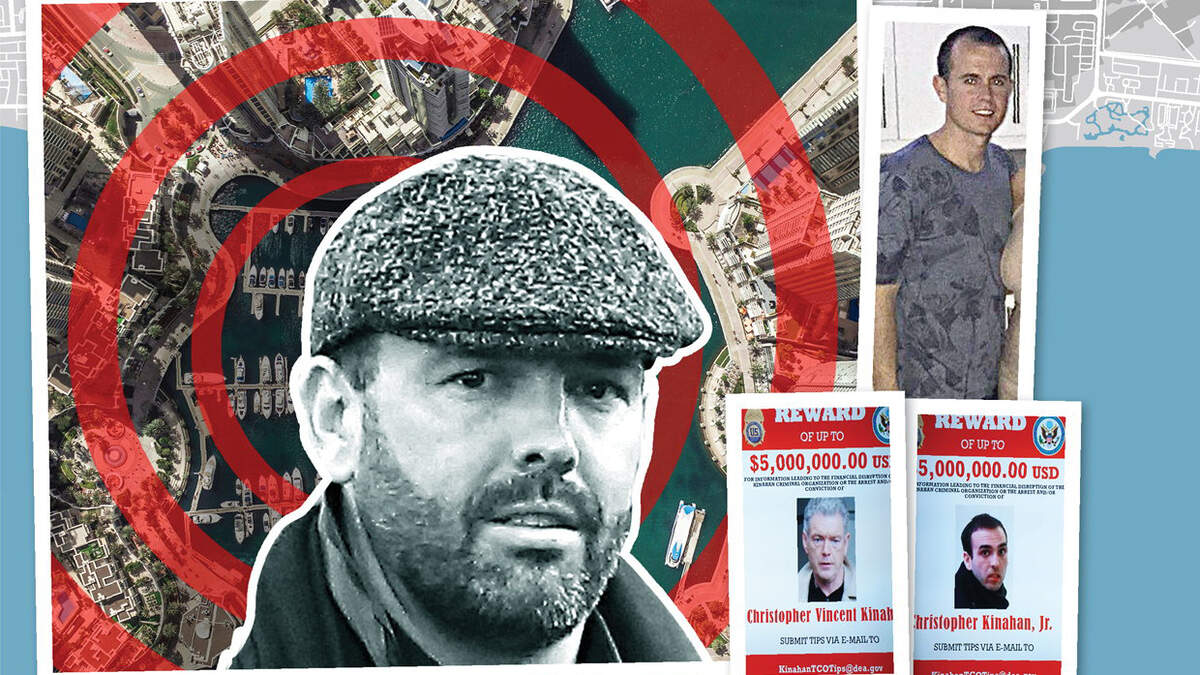
As the Kinahan cartel crumbles, options are running out for family and associates left behind in Dubai – Irish Independent
Kinahan cartel associates and family members in Dubai are facing dwindling options for safety and residency as international law enforcement pressure mounts, according to the Irish Independent. The organization, once insulated by the perceived protection of the UAE, now faces increasing instability and internal fear as its leadership structure fractures.
Why are options running out for the Kinahan cartel in Dubai?
The perceived sanctuary that the United Arab Emirates (UAE) once provided for the Kinahan Organized Crime Group (KOCG) is eroding. According to the Irish Independent, family members and high-ranking associates are finding that the lavish lifestyle and legal immunity they once enjoyed are no longer guaranteed. This shift is driven by a combination of intensified international diplomatic pressure, US sanctions, and a changing political climate within Dubai.
For years, the Kinahan leadership operated with a level of openness in Dubai that baffled European investigators. However, reports from the Irish Independent indicate that the circle of trust has shrunk. Associates who once moved freely through the city’s luxury districts now face increased scrutiny. The “options” mentioned—ranging from residency renewals to the ability to move assets—are becoming restricted as the UAE aligns more closely with global anti-money laundering and counter-terrorism standards.
Key factors contributing to this collapse include:
- US Treasury Sanctions: The designation of the Kinahan group as a global crime syndicate has frozen assets and made it legally hazardous for any UAE-based business or bank to facilitate their transactions.
- Interpol Red Notices: Increased cooperation between the Gardaí, Europol, and UAE authorities has made the physical presence of named cartel members a liability for the host country.
- Internal Paranoia: As the organization’s grip on its European drug pipelines weakens, the trust between the leadership in Dubai and their operatives on the ground has disintegrated.
Who is Sean McGovern and what is his current status?
Sean McGovern, a high-ranking lieutenant within the Kinahan structure, serves as a primary example of the cartel’s declining fortunes. According to RTE.ie, McGovern was once central to the organization’s operations, living a life of extreme luxury that mirrored the extravagance of the Kinahan family. His role involved coordinating massive shipments of narcotics and managing the cartel’s financial interests.
However, the reality of McGovern’s current existence is a sharp contrast to his former status. The Irish Mirror reports that McGovern is now living in what is described as a “prison within a prison.” An ex-colleague revealed that McGovern, who earned the nickname “McRambo” due to his perceived toughness and role in the organization’s enforcement, is now severely restricted in his movements.
“He is living in a prison within a prison,” a former associate stated, according to the Irish Mirror, highlighting the isolation and surveillance McGovern now faces.
This transition from “McRambo”—a feared enforcer—to a secluded fugitive illustrates the broader trend within the KOCG. The very wealth that allowed them to buy influence in Dubai has become a gilded cage. They cannot leave the UAE without facing immediate arrest via Interpol, yet they can no longer enjoy the city’s freedoms without risking exposure.
Are the Kinahans “rattled” by current events?
Reports from The Irish Times suggest that the leadership of the Kinahan cartel is “rattled.” This psychological shift is attributed to the systematic dismantling of their support networks and the increasing likelihood of extradition or betrayal from within their own ranks.
The “rattled” state of the organization stems from several critical failures:
- Loss of Operational Control: The cartel’s ability to dictate terms in the Irish and European drug markets has been hampered by the rise of rival gangs and increased police seizures.
- Asset Freezes: The inability to move money freely has created tension among associates who are no longer receiving the payouts they were promised.
- The Threat of Cooperation: Law enforcement agencies have successfully turned former associates, creating a climate of suspicion where leadership suspects their closest allies of becoming state witnesses.
The Irish Times analysis suggests this may be the beginning of the end for the Kinahans. When a criminal organization moves from a state of expansion and confidence to one of survival and paranoia, it typically signals a terminal decline. The leadership is no longer focused on growth, but on avoiding the reach of the US Department of Justice and European authorities.
What is the human cost of the Kinahan cartel’s operations?
While the headlines often focus on the luxury villas of Dubai, the actual impact of the cartel’s activities is felt in the violence left behind in Ireland. The Irish Sun has highlighted the devastating personal toll of the KOCG’s war on rivals and perceived traitors. In one poignant account, the mother of a victim, Kirwan, described the horror of holding her son’s hand as he died, stating that the trauma witnessed has destroyed her life.

This juxtaposition—the luxury of the Dubai-based leadership versus the blood-stained streets of Ireland—is a central theme in the cartel’s narrative. The “lavish life” reported by RTE.ie was funded by a campaign of terror that included:
- Targeted Assassinations: The elimination of anyone who threatened the cartel’s monopoly or cooperated with the Gardaí.
- Intimidation of Families: Using the threat of violence against loved ones to ensure the silence of operatives.
- Drug Epidemics: Flooding communities with high-purity narcotics to maximize profit, regardless of the social cost.
The testimony provided to The Irish Sun serves as a reminder that the “crumbling” of the cartel is not just a legal or financial event, but a necessary step toward justice for the families of those murdered during the gangland feud.
How does the UAE’s current stance compare to the past?
The relationship between the Kinahan cartel and the UAE has undergone a fundamental transformation. To understand why options are running out, it is necessary to compare the two eras of their residency.
| Feature | The “Golden Era” (Approx. 2010-2018) | The “Crumbling Era” (Present Day) |
|---|---|---|
| Visibility | High; lived openly in luxury villas. | Low; secluded, “prison-like” existence. |
| Financials | Easy movement of funds through local banks. | Severe restrictions due to US Treasury sanctions. |
| Legal Status | Perceived immunity from European warrants. | Increased risk of extradition and Interpol action. |
| Internal State | Confidence and expansion. | Paranoia and “rattled” leadership. |
According to the Irish Independent, the UAE is no longer willing to provide a blanket shield for the KOCG. As the UAE seeks to position itself as a global hub for legitimate finance and tourism, harboring the world’s most wanted drug traffickers has become a diplomatic liability. The “options” for the Kinahans are running out because they have transitioned from being “high-value residents” to “high-risk liabilities.”
What are the long-term implications for the remaining associates?
For the family members and lower-level associates left in Dubai, the situation is precarious. Many are tied to the cartel not just through blood or loyalty, but through financial dependence. With the leadership’s assets frozen or hidden, the funds used to maintain their lavish lifestyles are drying up.
Legal experts suggest several likely outcomes for those remaining:
- Forced Departure: The UAE may revoke residency visas, forcing associates to return to jurisdictions where they face immediate arrest.
- Internal Purges: As paranoia grows, the leadership may view “left behind” associates as liabilities who could trade information for immunity.
- Financial Collapse: The inability to access sanctioned funds will lead to a rapid decline in their quality of life, potentially leading to desperation and betrayal.
The Irish Independent notes that the psychological pressure is as significant as the legal pressure. The realization that the “fortress” of Dubai has been breached is causing a ripple effect of panic throughout the organization’s remaining network.
Common Misconceptions About the Kinahan Cartel in Dubai
There is a common belief that the Kinahans are still “untouchable” due to their wealth. However, the evidence suggests otherwise. While they still possess significant resources, the utility of that wealth has diminished. Money cannot buy a diplomatic passport or erase a US Treasury sanction. Another misconception is that the cartel is a monolithic entity; in reality, the reports of them being “rattled” suggest deep fractures and a breakdown in the chain of command.

Furthermore, some believe the UAE is actively protecting them. In truth, the UAE’s approach is often pragmatic. They provide stability as long as it serves their interests; once the international cost of hosting a fugitive exceeds the local benefit, the protection vanishes.
Frequently Asked Questions
Why is the Kinahan cartel described as “crumbling”?
The cartel is described as crumbling due to a combination of US sanctions, the loss of key operational hubs in Europe, and the increasing isolation of its leadership in Dubai. According to The Irish Times and the Irish Independent, the organization is “rattled” and losing its grip on its criminal empire.
Who is “McRambo” in the Kinahan organization?
“McRambo” is the nickname given to Sean McGovern, a high-level lieutenant in the Kinahan cartel. While he once lived a life of extreme luxury, the Irish Mirror reports that he is now living in a state of extreme restriction, described as a “prison within a prison.”
Can the Kinahan family be extradited from Dubai?
While extradition from the UAE has historically been difficult, the increasing cooperation between the UAE and international agencies like Interpol, combined with pressure from the US and EU, makes extradition more likely than in previous years.
How have US sanctions affected the cartel?
US Treasury sanctions have effectively frozen the cartel’s ability to use the global banking system. This has made it difficult for the leadership in Dubai to pay associates, move profits, and maintain the lavish lifestyle that previously served as a recruitment tool.
What is the current mood among the cartel’s associates in Dubai?
According to reports from the Irish Independent and The Irish Times, the mood is one of fear and instability. Associates are realizing that their residency and safety are no longer guaranteed as the organization’s influence wanes.
The trajectory of the Kinahan Organized Crime Group suggests a move toward inevitable collapse. From the harrowing accounts of victims’ families in Ireland to the secluded, fearful existence of lieutenants like Sean McGovern in Dubai, the image of the invincible cartel is fading. As the UAE continues to align with international law enforcement and the US maintains its financial stranglehold, the options for those remaining in Dubai are not just running out—they are nearly gone.
