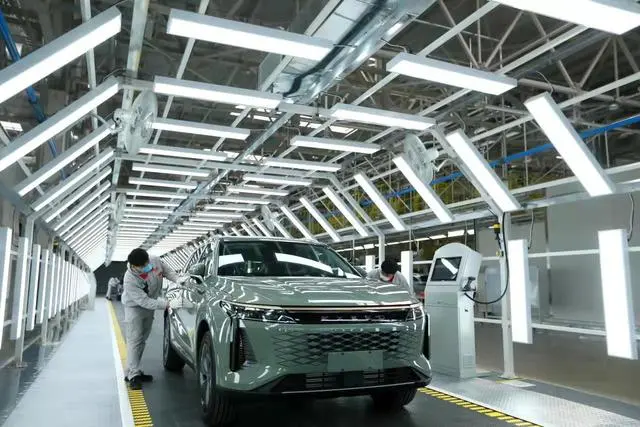
A highly automated Chery mega-factory in China is producing one vehicle every minute, according to reporting by Le Journal de Montréal. This production scale is fueling the expansion of Chinese electric vehicles (EVs) into international markets, prompting warnings from the Canadian automotive industry regarding economic competition and national security.
- Production Speed: One vehicle is completed per minute at Chery’s robotic facility.
- Market Impact: The Canadian automotive sector reports growing concern over the influx of low-cost Chinese EVs.
- Primary Risks: Industry analysts and reports highlight concerns over cybersecurity, build quality, and battery performance in cold climates.
How does Chery’s production scale impact the market?
The level of automation at Chery’s Chinese facilities allows for a manufacturing cadence of one vehicle per minute, according to Le Journal de Montréal. This robotic efficiency significantly lowers the per-unit cost of production, enabling Chinese manufacturers to price vehicles aggressively in global markets.
This industrial capacity is a primary driver of the anxiety currently felt within the Canadian automotive industry. According to TVA Nouvelles, the arrival of these vehicles in Canada is viewed as a threat to domestic industry stability due to the sheer volume and pricing advantages these factories provide.
What are the risks associated with Chinese-made EVs?
Beyond economic competition, specific technical and security concerns have emerged regarding the viability of Chinese EVs in North American markets. Le Journal de Montréal identified three primary areas of concern for consumers and regulators:
- Cold Weather Performance: Questions remain regarding how these vehicles handle harsh winters, specifically concerning battery degradation and range loss in freezing temperatures.
- Build Quality: There are ongoing debates about whether the rapid speed of robotic production compromises long-term vehicle durability.
- Cybersecurity: The integration of software and connected systems in these vehicles has raised alarms about data privacy and the potential for foreign surveillance.
Why is information on these factories limited?
Obtaining verified data on Chinese automotive production remains difficult due to state restrictions. Le Journal de Montréal reported that its coverage of the Chery facilities was conducted despite significant obstacles and systemic censorship within China.
The difficulty in accessing these sites suggests a gap between official production claims and independent verification, though the observed robotic integration confirms a shift toward near-total automation in the Chinese EV sector.
