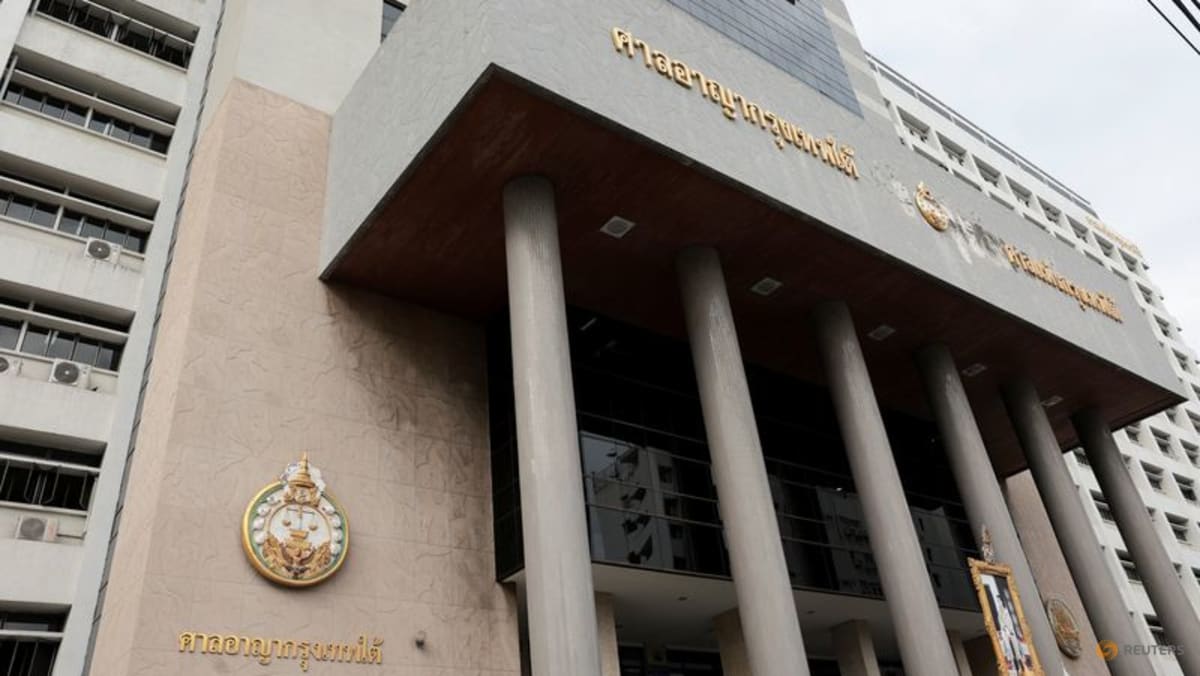
Thai Court Sentences Two Uyghur Men to Death for 2015 Bangkok Erawan Shrine Bombing
A Thai court has sentenced two Uyghur men to death for their roles in the August 17, 2015, bombing of the Erawan Shrine in Bangkok. The attack killed 20 people and injured more than 120 others. The ruling arrives after a long-delayed legal process involving the blast that targeted one of the city’s most prominent tourist and religious landmarks, according to reports from CNA and the BBC.
How the Erawan Shrine Bombing Unfolded
The attack occurred on the evening of August 17, 2015, at the Erawan Shrine, a highly visited Hindu shrine in the heart of Bangkok’s Ratchaprasong district. A bomb exploded in a backpack left near the shrine, causing immediate casualties among both local worshippers and international tourists. According to data cited by the South China Morning Post, the blast resulted in 20 deaths and left over 120 people wounded.
The Erawan Shrine is not only a spiritual center but a major economic driver for the surrounding area, making the location a high-impact target. The 2015 bombing caused an immediate dip in tourist confidence and prompted a massive security overhaul across Bangkok’s commercial hubs. Thai authorities spent years tracing the origins of the device and the movement of the suspects across borders.
Key details of the incident include:
- Location: Erawan Shrine, Ratchaprasong, Bangkok.
- Date: August 17, 2015.
- Casualties: 20 dead, 120+ injured.
- Method: Improvised explosive device (IED) placed in a backpack.
Who are the Convicted Uyghur Men?
The court identified the perpetrators as two men of Uyghur ethnicity from China. According to reports from Yahoo News Singapore and the South China Morning Post, the defendants were linked to a coordinated effort to carry out the attack. The Uyghurs are a Turkic-speaking Muslim minority from the Xinjiang region of China, a group that has frequently been at the center of geopolitical tensions between China and various international human rights organizations.
The prosecution’s case rested on evidence linking the men to the planning and execution of the blast. While the Thai government did not immediately name a specific international terrorist organization as the mastermind, the ethnic background of the suspects sparked significant diplomatic interest, particularly from Beijing. The conviction marks the culmination of a pursuit that spanned multiple jurisdictions and years of intelligence gathering.
The sentencing of these individuals represents the Thai judiciary’s final determination on a case that has remained a point of regional tension for nearly a decade.
Timeline of the Case and Legal Proceedings
The path to the death penalty was not immediate. The legal process faced substantial delays, a point noted by The Straits Times in its coverage of the long-awaited ruling. The complexity of the evidence, the need for international cooperation, and the sensitive nature of the defendants’ origins contributed to the timeline.

| Date/Period | Event | Significance |
|---|---|---|
| August 17, 2015 | Erawan Shrine Blast | Initial attack killing 20 people. |
| 2015–2023 | Investigation & Arrests | Thai police track suspects and gather forensic evidence. |
| Pre-Verdict Period | Court Hearings | Extended legal proceedings and evidence presentation. |
| Recent Ruling | Death Sentence Issued | Court finds two Uyghur men guilty of the bombing. |
Why the Legal Process Faced Significant Delays
The delay in reaching a verdict was a primary focus for outlets like The Straits Times. Several factors contributed to the slow pace of the trial. First, the forensic analysis of the explosive materials required specialized expertise to link the device to specific sources. Second, the movement of suspects through Southeast Asia required diplomatic requests and intelligence sharing between Thailand and other regional partners.
Furthermore, the ethnic identity of the suspects added a layer of complexity. The Thai court had to navigate the legal requirements of a capital case while the geopolitical implications of sentencing Chinese Uyghurs remained high. In Thailand, death penalty cases undergo rigorous review, and the defense’s challenges to the evidence likely extended the timeline.
Common misconceptions about the delay often suggest political hesitation. However, based on the court’s eventual ruling, the delay appears to have been a result of the evidentiary burden required to secure a death sentence in a terrorism-related case.
Geopolitical Implications of the Verdict
The sentencing of two Uyghur men carries weight beyond the borders of Thailand. The Uyghur conflict is a long-standing point of contention between the Chinese government, which views Uyghur separatism as a matter of national security and counter-terrorism, and critics who describe the situation in Xinjiang as a human rights crisis.
By convicting and sentencing these men to death, the Thai court has provided a legal conclusion that aligns with the narrative that Uyghur extremists have targeted non-Chinese interests abroad. This outcome may strengthen security cooperation between Thailand and China, as both nations share an interest in suppressing militant activities within the region.
However, the verdict also places Thailand under the scrutiny of international human rights monitors. The use of the death penalty is a point of contention for many global organizations, and the specific targeting of a minority group often leads to claims of political motivation, regardless of the evidence presented in court.
Comparison of Reporting Perspectives
Different media outlets have framed this development with slightly different emphases:
- CNA and BBC: Focused heavily on the finality of the sentence and the immediate impact of the 2015 tragedy.
- South China Morning Post: Highlighted the ethnicity of the defendants and the connection to the Chinese Uyghur population.
- The Straits Times: Emphasized the “long-delayed” nature of the case, focusing on the judicial timeline.
Impact on Bangkok’s Security and Tourism
The 2015 bombing was a watershed moment for security in Bangkok. Prior to the blast, the Erawan Shrine was an open, loosely monitored area. Following the attack, the Royal Thai Police implemented several permanent changes to the city’s security architecture.
These changes included:
- Increased Surveillance: The installation of high-definition CCTV networks across the Ratchaprasong area.
- Regular Patrols: The deployment of armed officers and K9 units to high-traffic tourist sites.
- Bag Checks: The introduction of random security screenings at major shrines and malls.
While tourism in Bangkok recovered relatively quickly, the psychological impact remained. The attack proved that the city’s tourist hubs were vulnerable to coordinated terrorism, shifting the focus of Thai intelligence toward monitoring foreign nationals and regional militant movements.
For a deeper understanding of regional security, readers may find a related explainer on Southeast Asian counter-terrorism trends useful.
Understanding the Death Penalty in the Thai Legal System
The death penalty remains a legal punishment in Thailand, though executions are infrequent. Under Thai law, the court can sentence a defendant to death for the most severe crimes, including terrorism and premeditated murder. Once a death sentence is handed down, the convict typically has the right to appeal to the Supreme Court or request a royal pardon.
In high-profile terrorism cases, the Thai judiciary often uses the maximum sentence to signal a zero-tolerance policy toward attacks on national security and public safety. The decision to impose the death penalty in this case reflects the scale of the carnage at the Erawan Shrine and the intent behind the attack.
Key Legal Considerations in Terrorism Cases
- Evidence of Intent: The prosecution must prove the attack was designed to create terror or destabilize the state.
- Chain of Custody: Forensic evidence from the bomb site must be meticulously documented to withstand appeals.
- International Law: Thailand must balance its domestic laws with international treaties regarding the treatment of prisoners.
Frequently Asked Questions
What was the Erawan Shrine bombing?
The Erawan Shrine bombing was a terrorist attack that occurred on August 17, 2015, in Bangkok, Thailand. A bomb exploded at a popular Hindu shrine, killing 20 people and injuring more than 120 others, mostly tourists and locals.
Who was sentenced to death for the attack?
A Thai court sentenced two men of Uyghur ethnicity from China to death for their roles in planning and executing the bombing.

Why did the trial take so long to reach a verdict?
According to reports from The Straits Times, the case was long-delayed due to the complexity of the investigation, the need for international intelligence sharing, and the rigorous legal requirements for death penalty cases in Thailand.
Where is the Erawan Shrine located?
The shrine is located in the Ratchaprasong district of Bangkok, a major commercial and tourist hub.
What are the geopolitical implications of this ruling?
The ruling links the attack to Uyghur militants, which may strengthen security ties between Thailand and China, while potentially drawing criticism from human rights organizations regarding the use of the death penalty and the treatment of the Uyghur minority.
As the legal process moves toward the appeals stage, the focus remains on the families of the victims who waited nearly a decade for a judicial conclusion. The verdict serves as a stark reminder of the vulnerability of urban centers to targeted violence and the complexities of prosecuting transnational terrorism.
