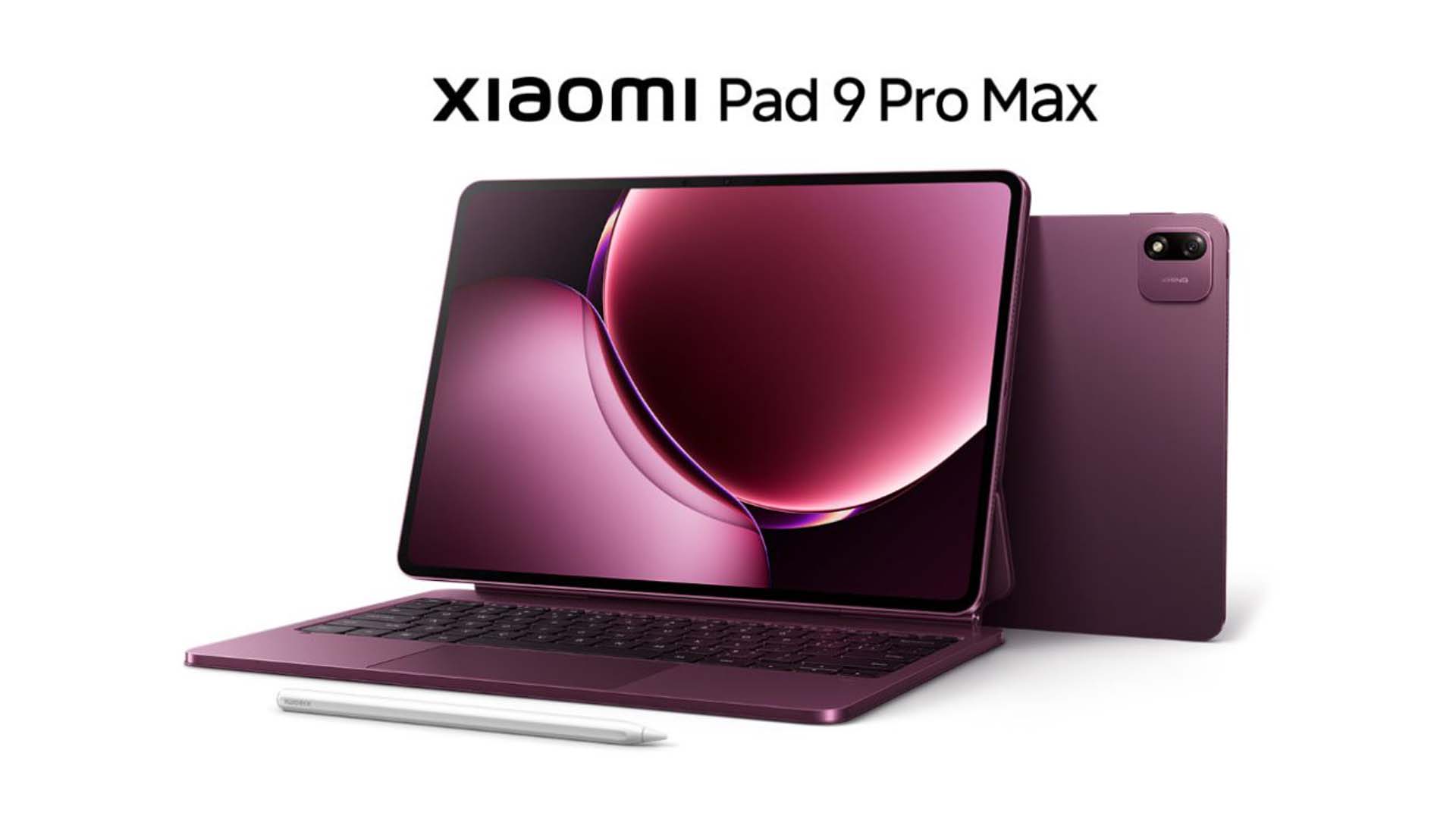
Xiaomi launches Pad 9 Pro Max tablet with Xring O3 chip in China
Measuring just 5.67mm thick, Xiaomi's new high-end tablet pairs desktop-class processing power with a 12,000mAh battery and portable external monitor functionality.
The Xring O3 Architecture and Performance Claims
The core of the Pad 9 Pro Max is the Xring O3 (also referred to as Xuanjie O3), a processor manufactured using TSMC's 3nm process. The die measures 133mm² and contains 24 billion transistors. According to Mymobileindia, the CPU uses a 10-core configuration: two C1-Ultra cores clocked at 4.35GHz, four C1-Premium cores at 3.68GHz, and four C1-Pro cores at 3.15GHz. AI capabilities are handled by a four-core NPU delivering 200 TOPS of performance, while graphics are managed by a 16-core Mali-G2-Ultra GPU. Memory specifications vary by tier; while lower models use LPDDR5X, the top-end 16GB+1TB configuration employs CXMT LPDDR6 memory with speeds of 10,667Mbps.| Component | Specification |
|---|---|
| Processor | Xring O3 (TSMC 3nm) |
| CPU Cores | 10 (2x 4.35GHz, 4x 3.68GHz, 4x 3.15GHz) |
| GPU | 16-core Mali-G2-Ultra |
| AI Performance | 200 TOPS |
| Max RAM | 16GB LPDDR6 (10,667Mbps) |
| Max Storage | 1TB UFS 4.1 |
Productivity Hardware and OS Integration
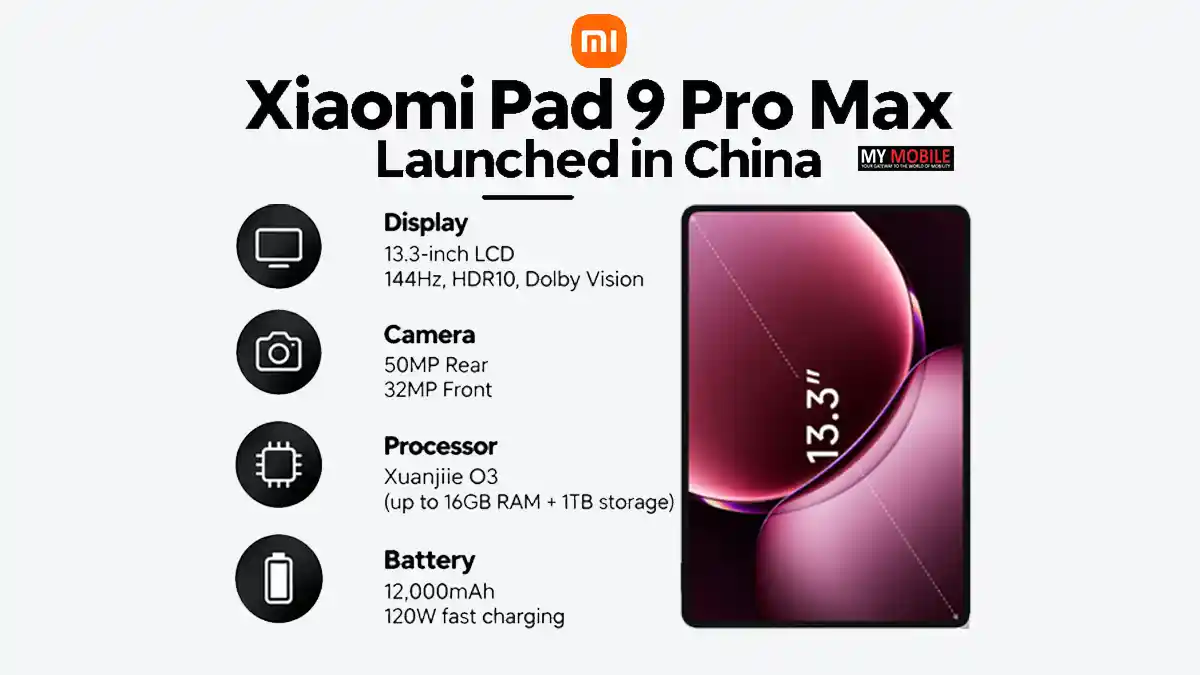
Xiaomi has tailored the hardware to mimic a desktop environment. The 13.3-inch LCD display uses a 3:2 aspect ratio to improve interface compatibility with PC software. The panel supports a 144Hz refresh rate, peak brightness of 1,000 nits, and a color accuracy of ΔE≈0.47. Beyond the screen, the tablet runs HyperOS 4 based on Android 17. This software introduces a tiered multitasking system. Users can use two adjustable windows or three-app parallel operation, but the most advanced mode is thesix-screen panoramic worklayout designed for complex tasks, as reported by Ximitime. The inclusion of a USB 3.2 Gen 2 port allows for DP-in functionality. This means the tablet is not just an output device but can receive a video signal from another source, effectively becoming a high-resolution portable monitor.
Battery, Charging, and Physical Design
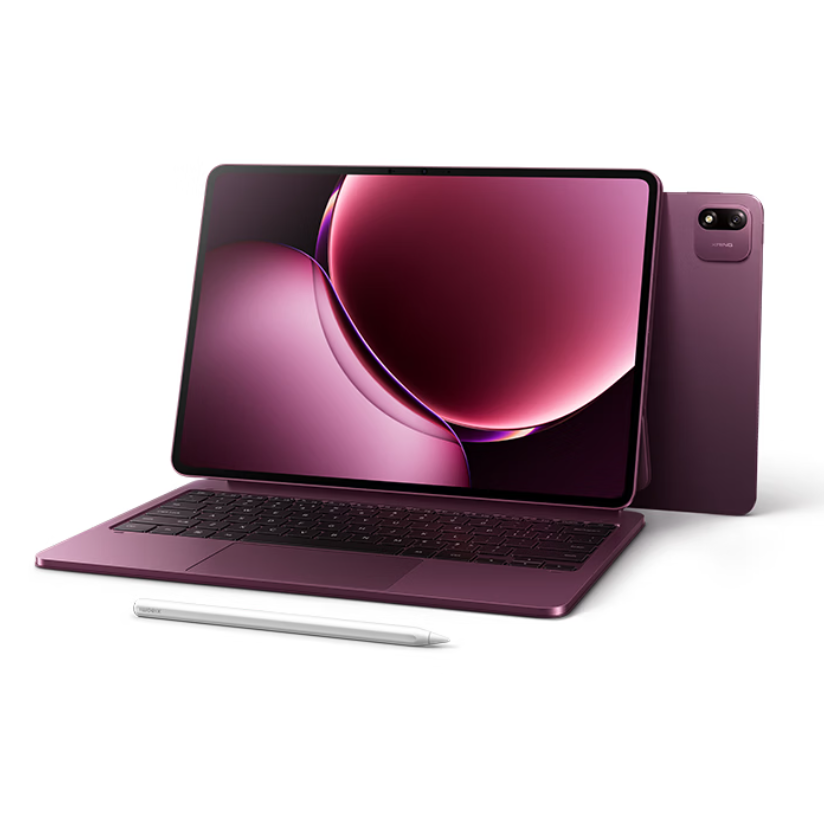
To support the Xring O3's power draw, Xiaomi equipped the device with a 12,000mAh battery. Charging is handled by the Xiaomi Surge fast charging system at 120W. The device also supports 27W wired reverse charging and 45W reverse charging through POGO pins, according to Unbox. The physical build consists of a metal unibody available in black, silver, and dark red. Weight varies slightly by screen type: the standard version weighs 645g, while the "Soft Light" version — which uses matte glass to reduce eye strain, weighs 653g.Pricing and Market Availability
The Pad 9 Pro Max is launched with a wide range of pricing based on memory and screen finish. The entry-level 8GB/256GB model starts at 4,799 yuan. High-end configurations with the nano soft-light screen carry a significant premium, with the 16GB/1TB version reaching 7,899 yuan.| Configuration (RAM/Storage) | Standard Glass Price (Yuan) | Soft Light Price (Yuan) |
|---|---|---|
| 8GB / 256GB | 4,799 | N/A |
| 12GB / 256GB | 5,299 | N/A |
| 16GB / 256GB | 5,799 | N/A |
| 12GB / 512GB | 6,099 | N/A |
| 16GB / 512GB | 6,599 | 6,899 |
| 16GB / 1TB | N/A | 7,899 |
Frequently Asked Questions
Can the Pad 9 Pro Max be used as a monitor?
Yes, the tablet supports DP-in via its USB Type-C port, allowing it to function as a secondary screen for a computer, a gaming display, or a professional drawing tablet.
Related YouTube video
What is the difference between the standard and Soft Light editions?
The Soft Light edition features matte glass designed to reduce eye strain and is slightly heavier than the standard model (653g vs 645g).
How long does it take to charge the battery?
The 12,000mAh battery supports 120W fast charging and can be charged from 0 to 100 percent in 53 minutes.
Multimedia and Connectivity Specifications
The Pad 9 Pro Max integrates a high-fidelity audio system consisting of eight flagship-level speakers and a six-microphone array. Visual capabilities are anchored by a 3.4K display with a resolution of 3408 × 2272 pixels, which supports both HDR10 and Dolby Vision. For imaging, the device features a 32-megapixel front-facing camera and a 50-megapixel rear camera equipped with Optical Image Stabilization (OIS), capable of recording 4K video at 60 fps. Connectivity is managed via Wi-Fi 7 and a USB 3.2 Gen 2 port. While the hardware is designed for high-performance throughput, Xiaomi has also integrated Surge P3 and Surge G1 chips to assist with system operations. The tablet's utility extends into the Xiaomi automotive ecosystem. According to Mymobileindia, the DP-in capability allows the Pad 9 Pro Max to be used as a rear smart screen in compatible Xiaomi vehicles.Launch Package and Component Sourcing
At the autumn flagship launch event, Xiaomi introduced the tablet alongside the Xiaomi 18 Fold. The device's internal memory options reflect a tiering of performance: standard models use LPDDR5X or LPDDR5T RAM, whereas the premium 1TB configuration sources LPDDR6 memory from CXMT. To incentivize early adoption, Xiaomi is offering a bundle that includes a five-year battery warranty and a Xiaomi 6A dual Type-C high-speed braided data cable. As reported by Ximitime, this package, combined with the touchscreen pen and screen protection plan, brings the effective cost for some users to approximately 4,049 yuan. The next step for the product remains the determination of its geographic availability, as the company has not yet confirmed plans to sell the device outside of China.Archypedia is dedicated to independent, evidence-backed reporting. This briefing was synthesized from primary source reporting, corroborated across independent newsrooms, and verified against our Editorial Standards.
Transparency record
Evidence behind this report
This report synthesizes 4 distinct sources. Open the source ledger below to compare the underlying coverage.
Prepared under the Archypedia Editorial Policy by the Niko Vale editorial desk profile. AI-assisted tools may support drafting and verification; public accountability remains with Archypedia. Report an error.