Xiaomi 18 Fold launched with XRING O3 chip and LPDDR6 RAM
Xiaomi has retired its MIX foldable naming convention for the new Xiaomi 18 Fold, a 219-gram device powered by proprietary silicon and featuring domestic LPDDR6 memory on its top-tier configuration.
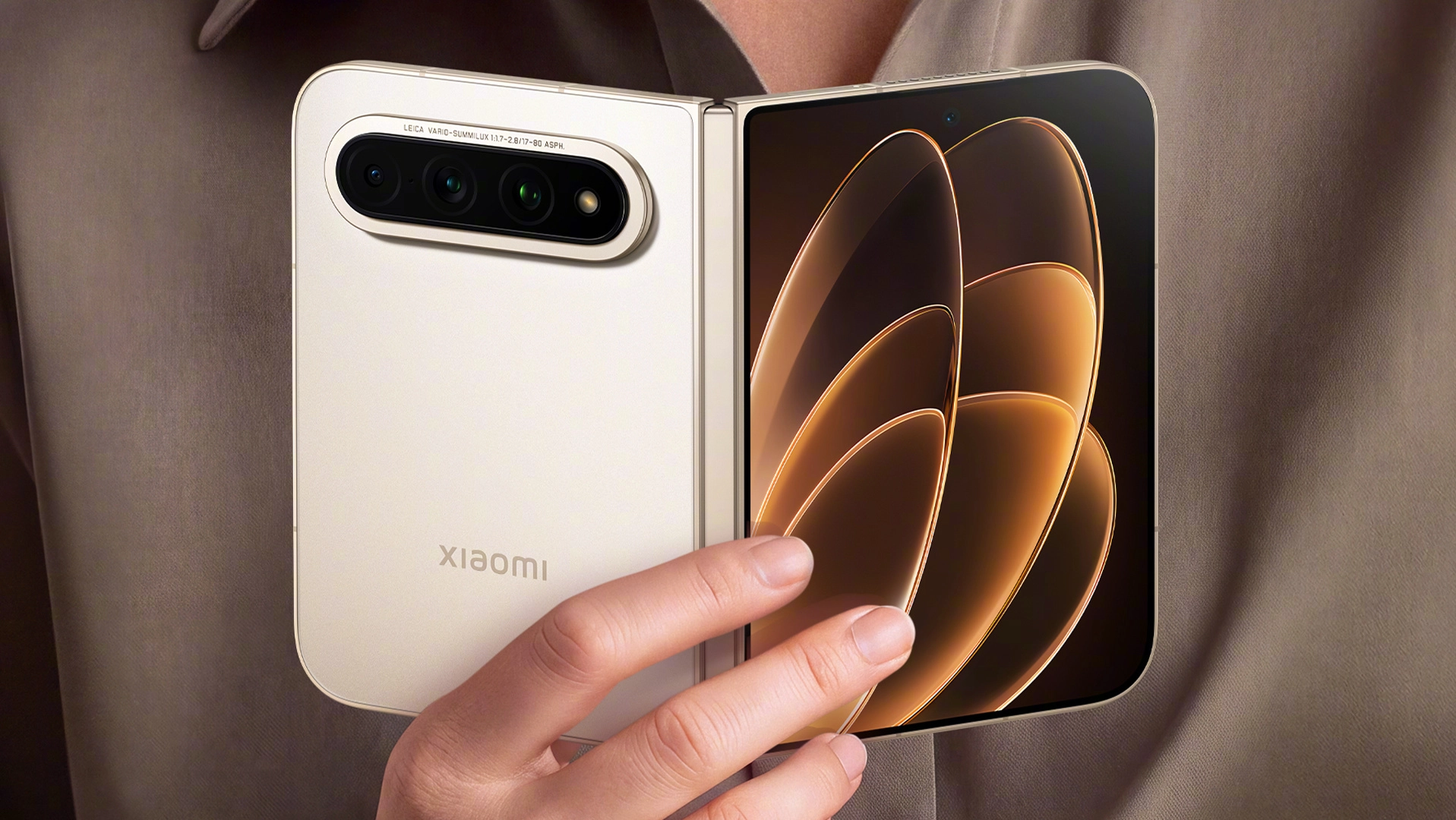
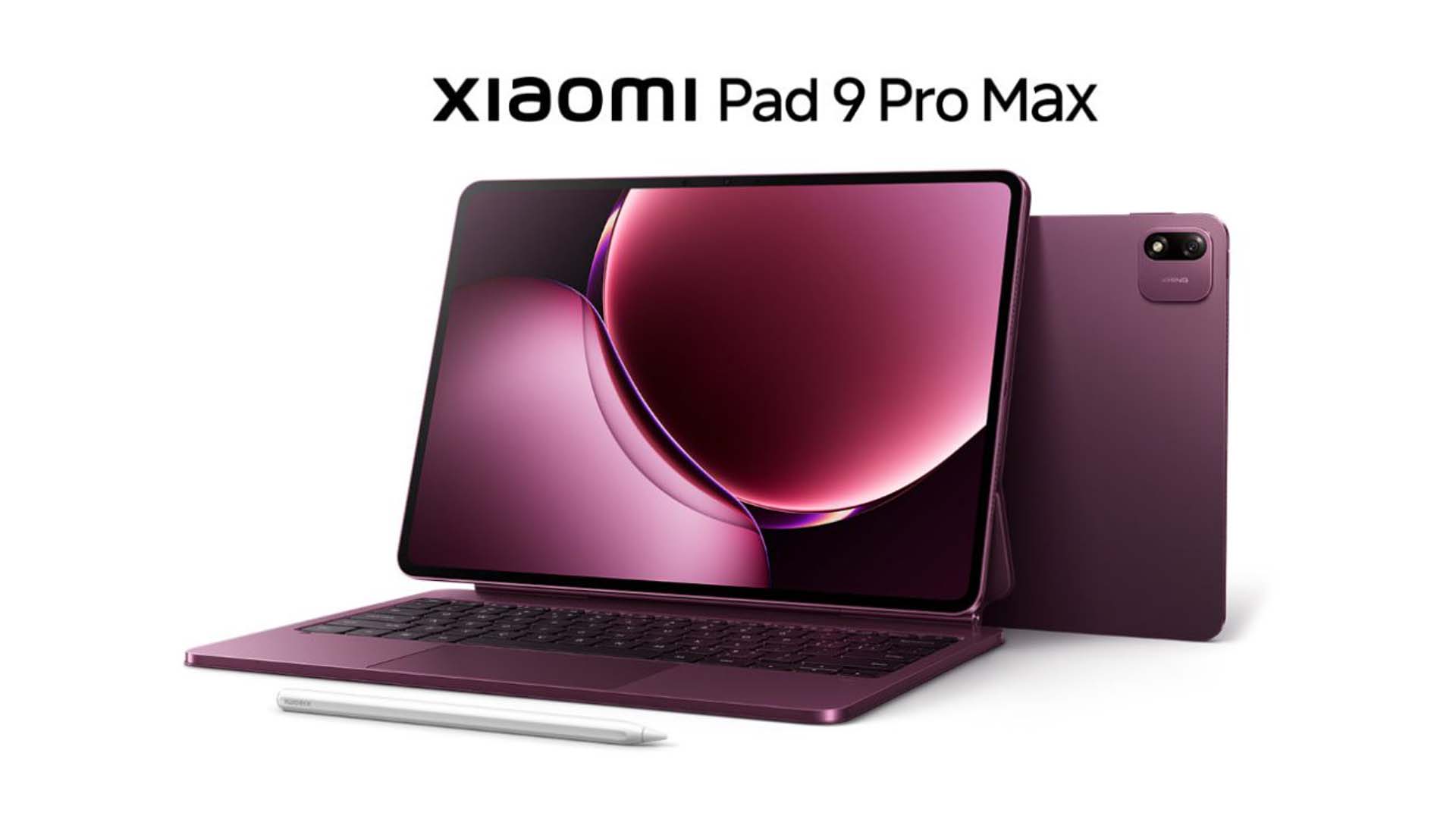
Xiaomi has officially abandoned its long-standing MIX naming convention to debut its latest folding smartphone under the flagship numbered series, introducing the Xiaomi 18 Fold during its autumn product showcase in China. Previously anticipated as the Xiaomi MIX Fold 5 according to industry observers, the newly designated foldable arrives alongside the Xiaomi Pad 9 Pro Max, with both devices anchored by the manufacturer's custom silicon. The standard configuration starts at CNY 10,999 (reported by ximitime.com as approximately $1,540, while telecompaper.com lists the base 12GB+256GB tier at USD 1,640) and scales up to CNY 15,999 for a limited Ceramic Edition.
Hardware Build and Dual-Screen Specifications
The physical dimensions of the Xiaomi 18 Fold reflect a continuous industry push toward thinner folding profiles. When opened, the device measures 5.02mm in thickness, expanding to 10.68mm when closed, while maintaining an overall weight of 219 grams according to fonearena.com and other outlets. Structural durability relies on a 7-series aluminum alloy frame paired with a redesigned "Dragon Bone" hinge utilizing a three-stage connecting-rod structure. External screen protection is handled by Xiaomi Dragon Crystal Glass 3.0, with manufacturer testing citing a 178% improvement in reliability for the 50μm outer ultra-thin glass (UTG) layer and a 29% increase in impact resistance for the 30μm inner folding UTG layer, which incorporates an organic flexible insulation material.
Dual screens use a near √2:1 paper ratio designed to align with natural reading patterns. The outer display spans 5.38 inches, while the inner folding screen measures 7.58 inches. Both panels support LTPO refresh rates from 1Hz to 120Hz and reach a peak brightness of up to 4,000 nits with APL 30%.
Processing Architecture and Memory Segmentation
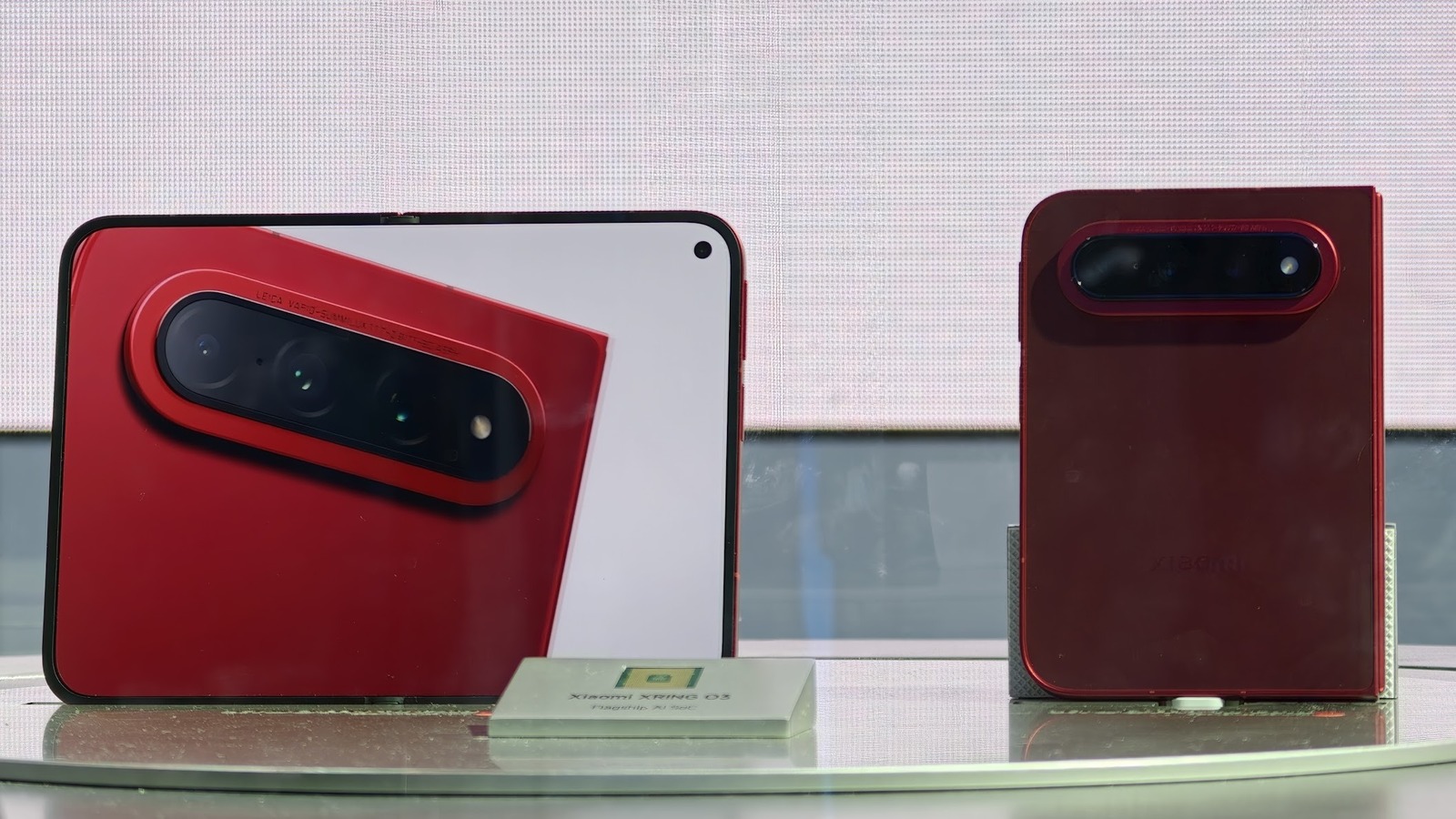
At the core of the device is Xiaomi's in-house XRING O3 AI flagship system-on-chip, which uses a 10-core all-big-core CPU architecture, a 16-core GPU, and an NPU built on a native large-model architecture. According to ximitime.com, the silicon achieves an AI benchmark exceeding 5 million points, delivering a 60% increase in multi-core CPU performance alongside a 25% drop in mid-to-low load power consumption. GPU performance rises by 85% with a reported 64% power reduction, while the NPU handles 200 TOPS for tensor computing and 3.13 TFLOPS for vector tasks.
Memory configuration represents a sharp dividing line across the product's pricing tiers. According to Thetechoutlook, the 12GB + 256GB, 12GB + 512GB, and 16GB + 512GB variants use LPDDR5X RAM paired with UFS 4.1 storage. Only the top-end 16GB + 1TB configuration features mass-produced domestic LPDDR6 RAM clocked at 10,667Mbps, which Xiaomi sources from both ChangXin Memory (CXMT) and SK hynix.
| Configuration | RAM Type | Storage | Price (CNY / USD) |
|---|---|---|---|
| Base Model | LPDDR5X | 256GB / 512GB | CNY 10,999 ($1,540 – $1,640) |
| Top-End / Ceramic | CXMT / SK hynix LPDDR6 | 1TB | CNY 15,999 ($2,245) |
Optics, Battery, and Special Editions
Imaging capabilities are managed through a Leica-tuned triple rear camera system. The array features a 200-megapixel Samsung HP5 primary sensor equipped with optical image stabilization (OIS), a 50-megapixel OV50M ultra-wide camera, and a 50-megapixel JN5 periscope telephoto lens offering 3.5x optical zoom alongside OIS and the Leica Summilux optical system. Dual 16-megapixel cameras are integrated into both the inner and outer displays for selfies and video calls.
Energy is supplied by a 6,000mAh dual-stack battery engineered with Xiaomi's Jinshajiang technology, featuring a 20% higher silicon content and an energy density of 920Wh/L. The system supports 67W wired fast charging and 50W wireless charging.
Beyond standard colorways including "Xiye Red", Warm Gold White, and Black, Xiaomi introduced a Ceramic Special Edition limited to 1,500 units. Built with a newly developed silicon nitride ceramic back panel designed for reduced weight and increased hardness, this edition is exclusively offered in the 16GB+1TB LPDDR6 configuration at CNY 15,999 (approximately $2,245).
Frequently Asked Questions
Why did Xiaomi drop the MIX branding for this release?
Xiaomi shifted its folding phone strategy by moving the foldable device directly into the numbered flagship Xiaomi 18 series rather than continuing the expected MIX Fold naming line.
Does every version of the Xiaomi 18 Fold include LPDDR6 memory?
No. Advanced LPDDR6 RAM is strictly restricted to the top-tier 16GB+1TB configuration and the Ceramic Edition, while lower storage variants fall back to LPDDR5X memory.
Software Ecosystem and Companion Hardware
- The Xiaomi Pad 9 Pro Max debuted at the same autumn event, featuring a 13.3-inch 3.4K 144Hz display and a 12,000mAh battery with 120W Xiaomi Surge Charge technology.
- The companion tablet shares the XRING O3 SoC architecture and runs Surge OS 4, supporting desktop-level workflows such as WPS for Pad, CapCut Pro, and Pixel Cake across up to six concurrent windows.
As noted by ximitime.com, the Xiaomi 18 Fold incorporates a voice assistant feature designated as the "Super Xiao Ai Inspiration Ball" to facilitate the execution of complex commands.
Pre-orders for the Xiaomi 18 Fold are currently open in China, with official open sales scheduled to begin on September 10, 2026, at 10 AM China time, marking the next critical milestone for the commercial availability of Xiaomi's newly rebranded foldable line.
Archypedia is dedicated to independent, evidence-backed reporting. This briefing was synthesized from primary source reporting, corroborated across independent newsrooms, and verified against our Editorial Standards.
Transparency record
Evidence behind this report
This report synthesizes 4 distinct sources. Open the source ledger below to compare the underlying coverage.
Prepared under the Archypedia Editorial Policy by the Niko Vale editorial desk profile. AI-assisted tools may support drafting and verification; public accountability remains with Archypedia. Report an error.