Un caza español de la OTAN derriba un supuesto dron ruso en el espacio aéreo de Rumanía
Un caza español de la OTAN derriba un supuesto dron ruso en el espacio aéreo de Rumanía

Radar networks detected an unidentified aerial target crossing into Romanian airspace at 04:44 on Sunday, 16 August 2026, twenty-four kilometers north of Galati. The pre-dawn breach immediately triggered a scramble from the Mihail Kogălniceanu Air Base, where two Spanish Air and Space Force F-18M fighters operating under NATO command had been placed on precautionary alert. Following visual and radar identification, one of the interceptors deployed air-to-air weaponry to destroy the craft at 05:01, with debris falling across an unpopulated rural zone between Baleni and Cudalbi.
The operation underscores the immediate frontline proximity faced by the two hundred Spanish military personnel—comprising fighter jets, helicopters, and support staff—deployed to Romania through December.
Related YouTube video
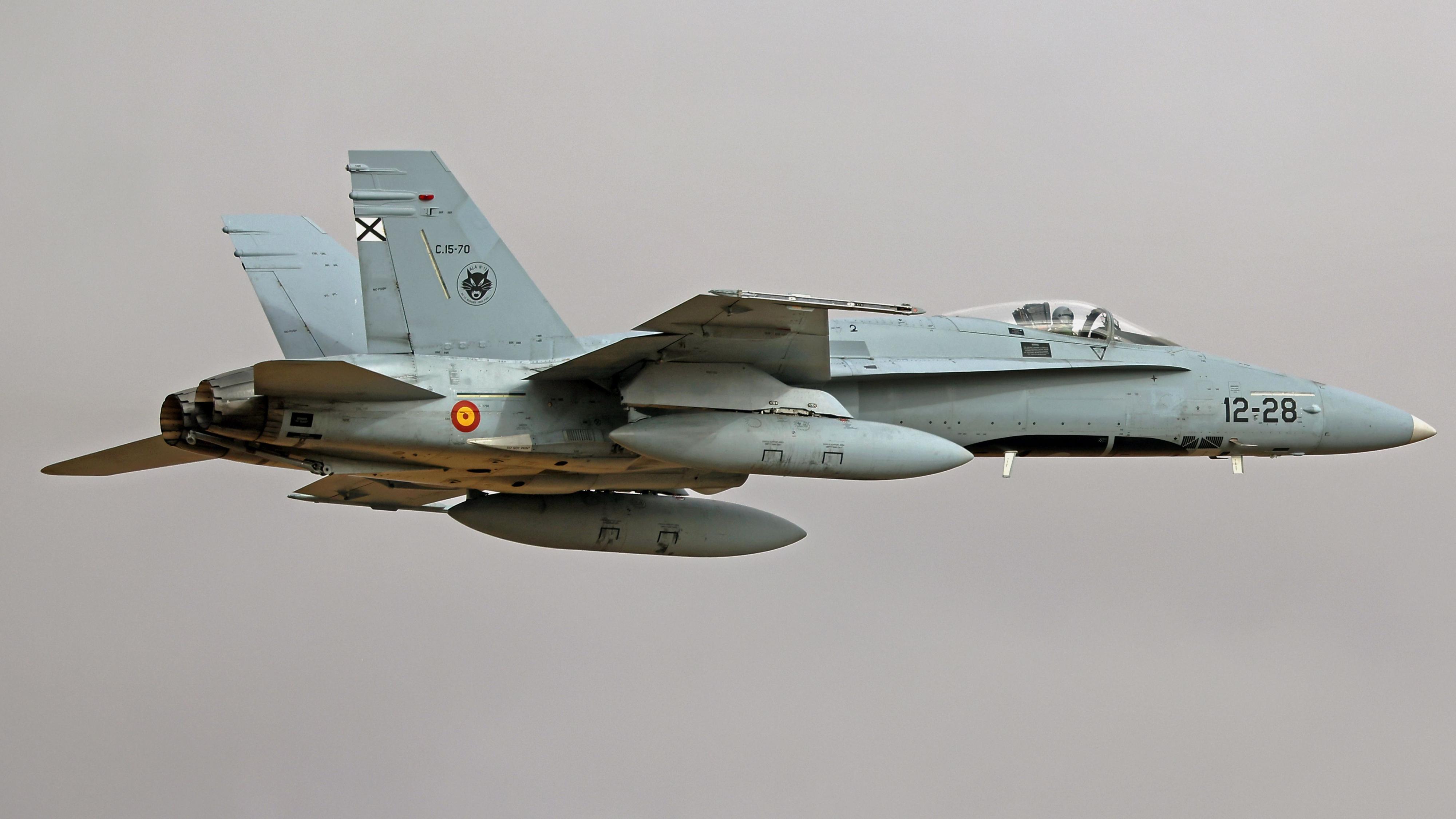
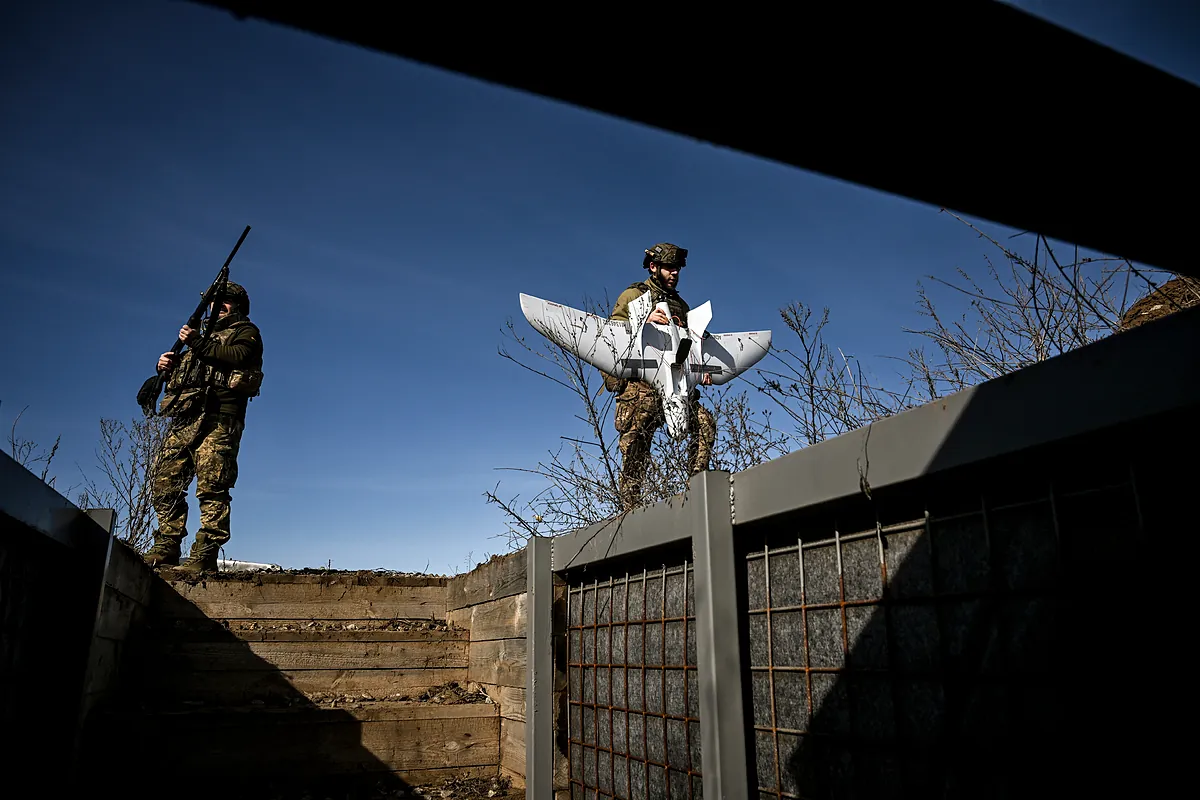
Operating as part of NATO's standing Air Policing mission, the intercepted asset had crossed the border from neighboring Moldova after originating amid a wave of cross-border skirmishes. While formal investigations remain underway, NATO officials point directly to Moscow's involvement. NATO military spokesperson Colonel Martin O'Donnell stated that the aircraft "appears to be Russian", according to reporting by El Mundo, while Romanian defense officials maintain official caution while analysis of the wreckage proceeds. The operational coordination for the interception flowed through the Combined Air Operations Centre in Torrejón de Ardoz, which manages twenty-four-hour airspace monitoring across the region.
This incident reflects a broader pattern of escalation along the Alliance's eastern flank, where boundary lines are frequently blurred by intensive electronic countermeasures. Just a day prior, an analogous interception occurred over northern Europe, where Italian Eurofighter jets scrambled from Lithuania to shoot down an errant drone near Rugaji, Latvia, during a Ukrainian long-range strike targeting Russian energy terminals.
For local residents in eastern Romania, which shares a land border of more than six hundred kilometers with Ukraine, falling debris and stray munitions represent an ongoing hazard. Romanian defense data indicates that more than thirty drones have breached national airspace since the onset of the conflict, with over half recorded during the current year. The decision to authorize live kinetic intercepts reflects a significantly more expeditious posture by allied commanders compared to earlier phases of the war, when non-compliant aircraft were typically tracked until they exhausted their fuel.
Official reactions from Madrid and Bucharest praised the tactical precision of the Ala 12 pilots. Spanish Defense Minister Margarita Robles' department lauded the "outstanding professionalism" of the crews, while Romanian Defense Minister Radu Miruta emphasized that his country stands on the front line of European security. Concurrently, foreign ministers José Manuel Albares of Spain and Oana-Silvia of Romania conferred to reaffirm bilateral cooperation within the Euro-Atlantic architecture.
The definitive origin, technical specifications, and navigational logs of the downed craft remain subject to physical examination of the recovered wreckage by joint teams from NATO and Romanian military authorities.
Historical Significance and Broader Alliance Escalation
The operation marked a historic operational milestone for Spain. According to reporting by El Mundo, the downing of the aircraft over Romania is the first aerial threat destroyed by a Spanish fighter pilot since Spain joined NATO. Furthermore, El Mundo noted that this incident represents the first time an aerial threat over Romania has been neutralized by an allied nation's air force rather than by national Romanian assets.
This tense engagement unfolded against the backdrop of a massive aerial escalation across Eastern Europe. Concurrently, Levante-EMV reported that the Russian Ministry of Defense stated its air defense systems downed 822 Ukrainian drones across sixteen regions and the annexed Crimean peninsula between Saturday afternoon and Sunday morning.
| Date | Location | Intercepting Asset | Target / Details Sourced |
|---|---|---|---|
| Sunday, 16 August 2026 | Northern Galati, Romania | Spanish F-18M (Ala 12) | Unidentified drone entering from Moldova; debris scattered between Baleni and Cudalbi. Sourced via El Mundo and El País. |
| Saturday, 15 August 2026 / Preceding Night | Rugaji, Latvia | Italian Eurofighter (scrambled from Lithuania) | Errant drone intercepted during a Ukrainian long-range strike targeting Russian energy terminals. Sourced via El Mundo. |
The physical analysis of the recovered wreckage remains the next step for joint military authorities from NATO and Romania as they work to establish the definitive navigational logs and technical specifications of the downed craft.
How significant is this development?
Contribute your assessment to the aggregated reader intelligence ledger.
Archypedia is dedicated to independent, evidence-backed reporting. This briefing was synthesized from primary source reporting, corroborated across independent newsrooms, and verified against our Editorial Standards.
Transparency record
Evidence behind this report
This report synthesizes 6 distinct sources. Open the source ledger below to compare the underlying coverage.
Prepared under the Archypedia Editorial Policy by the Niko Vale editorial desk profile. AI-assisted tools may support drafting and verification; public accountability remains with Archypedia. Report an error.


