Tesla’s Cybercab has been deployed, and it’s already under investigation
Tesla's commercial rollout of its pedal-free Cybercab in Austin immediately collided with federal oversight, prompting the NHTSA to launch an audit into the vehicle's safety certification.
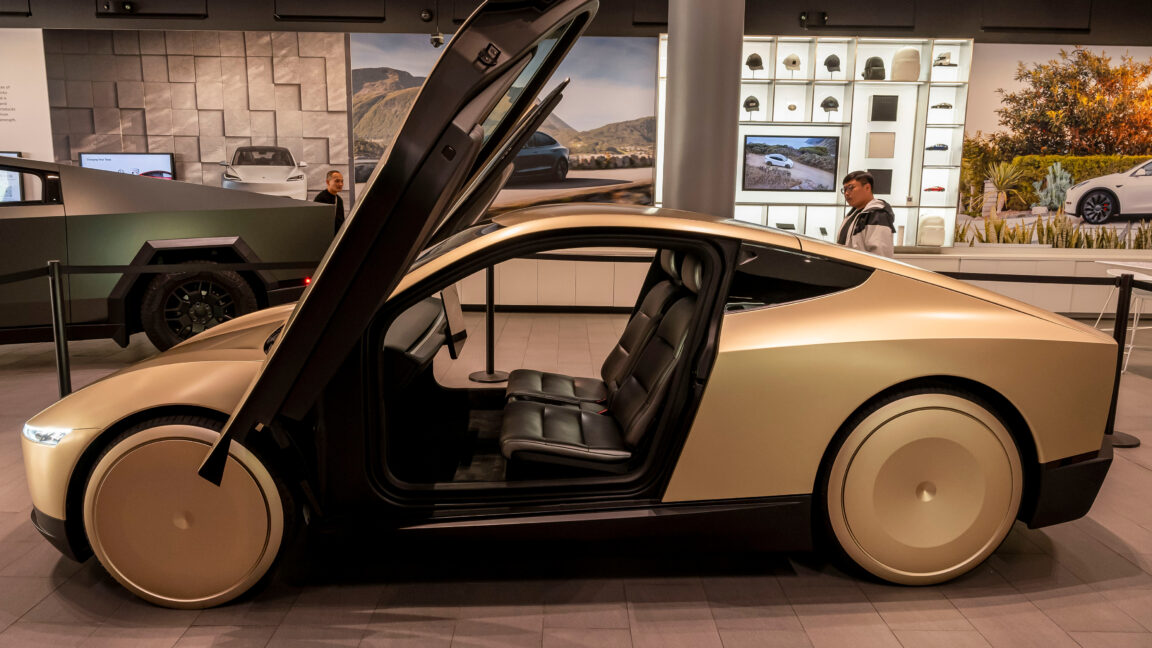
Tesla Deploys Wheel-Free Cybercab in Austin as NHTSA Opens Immediate Federal Audit
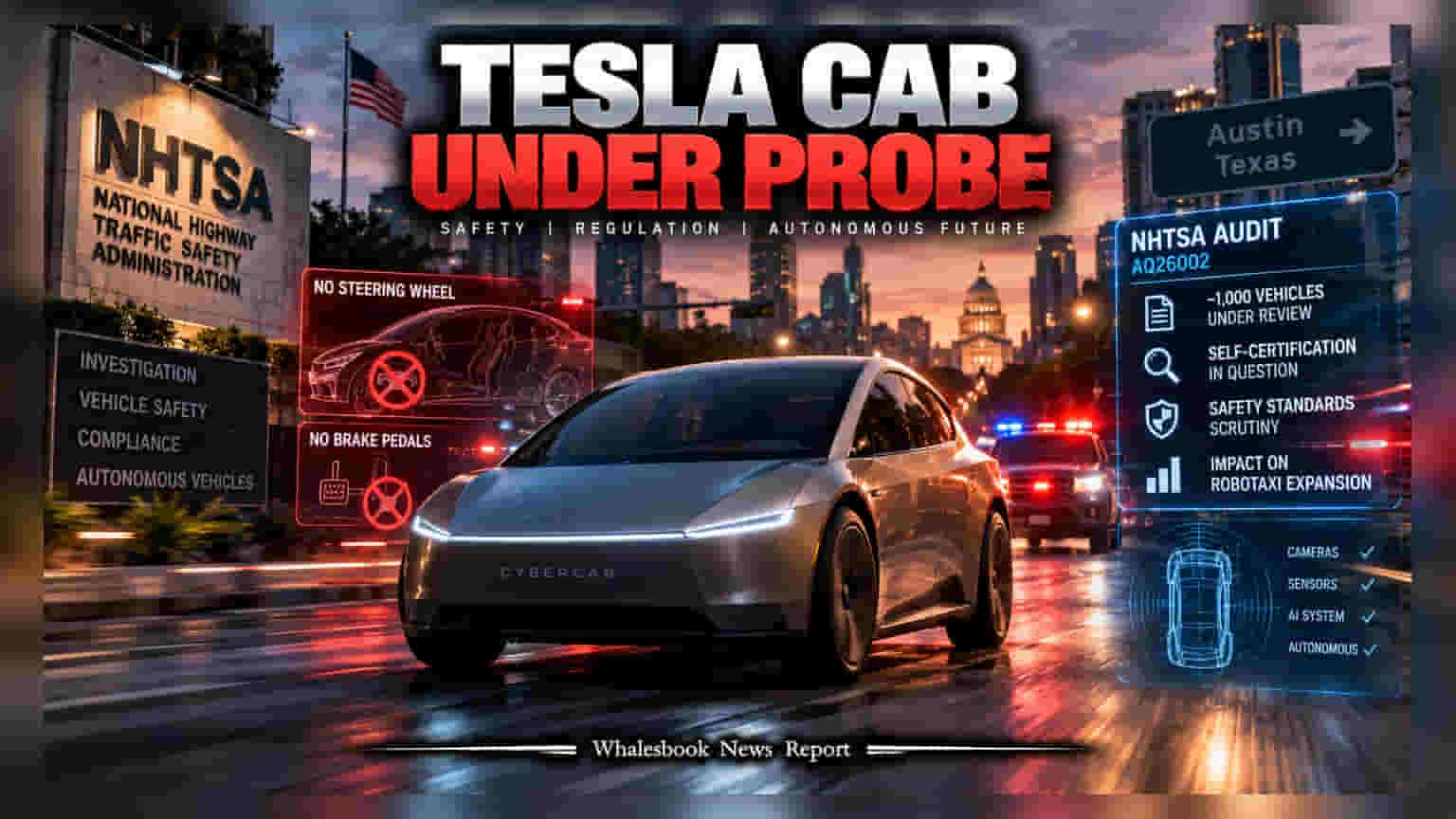
Tesla has officially deployed its driverless Cybercab in downtown Austin, Texas, allowing members of the public to book rides in a purpose-built, two-seat autonomous vehicle that lacks a steering wheel, accelerator pedals, brake pedals, and rearview mirrors. The commercial rollout, which makes the vehicles bookable through the Robotaxi app, collided immediately with federal oversight. Just hours after hundreds of fans gathered for the premiere, the National Highway Traffic Safety Administration opened a formal audit query into the safety certification of roughly 1,000 Cybercabs.
The swift regulatory intervention exposes a stark collision between Tesla's self-certification model and federal enforcement expectations. While competitors such as Amazon-owned Zoox spent years navigating formal exemption processes for their own pedal-free vehicles, Tesla asserts that its design complies with existing federal rules without special carve-outs. Federal regulators, however, are now examining the underlying technical data and legal determinations that allowed the electric automaker to bypass traditional controls.
Related YouTube video

Design and Regulatory Mechanics of the Cybercab
The physical configuration of the Cybercab marks a distinct departure from Tesla's previous robotaxi operations in cities such as Austin, Dallas, Houston, Miami, Orlando, and Tampa, which relied on modified Model Y vehicles retaining conventional driver controls. Purpose-built without a steering wheel, gas pedal, brake pedal, or mirrors, the two-seater relies entirely on onboard cameras and software for navigation. This design philosophy places the vehicle squarely outside the baseline assumptions of existing Federal Motor Vehicle Safety Standards, which were written decades ago around human-operated cars.
Under the standard system administered by NHTSA, automotive manufacturers use industry self-certification, declaring that their vehicles meet federal safety requirements without requiring pre-approval for every individual design choice. According to government filings, Audit Query AQ26002 will scrutinize the methodologies and data Tesla used to determine that traditional rules were inapplicable or satisfied. NHTSA Administrator Jonathan Morrison emphasized that while the agency supports automated vehicle innovation, federal laws must be strictly followed.
| Operational Metric | Tesla Cybercab | Amazon Zoox Robotaxi |
|---|---|---|
| Manual Controls | None (No steering wheel, pedals, or mirrors) | None (Purpose-built boxy robotaxi without manual controls) |
| Regulatory Pathway | Industry self-certification of FMVSS compliance | Formal Part 555 federal exemption process |
| Fleet and Deployment Caps | Roughly 1,000 vehicles under audit; 45 active in Texas | Capped at 2,500 vehicles annually under current exemption terms |
| Navigation Sensor Suite | Cameras only (no lidar or radar) | Multi-sensor suite including lidar and radar |
Contrasting Compliance Strategies: Tesla Versus Zoox
The regulatory friction centers on how autonomous vehicle developers interact with federal oversight before transporting paying passengers. In July 2026, NHTSA granted Amazon's Zoox a formal exemption under federal law allowing the commercial deployment of its steering-wheel-free robotaxis, establishing a precedent that requires novel designs to seek explicit regulatory relief. That approval limited Zoox to 2,500 vehicles per year and imposed specific operational parameters.
Ann Carlson, a former acting NHTSA administrator and current environmental law professor at UCLA, told Ars Technica that the audit signals deep regulatory frustration. Carlson described Tesla's decision to bypass the formal exemption queue as a direct challenge to federal authority, noting that the agency clearly expected developers to follow the path carved by competitors. Conversely, Tesla maintains that its technical compliance framework renders special exemptions unnecessary.
While NHTSA has proposed rule changes to remove requirements for manual brake pedals and other human-centric equipment in future autonomous fleets, the agency explicitly noted that existing standards remain in full force until those updates are finalized. According to reporting by USA Today, state-level permissions granted by Texas databases allowed the commercial service to launch locally, illustrating a persistent jurisdictional divide where states control roadways while federal authorities govern vehicle manufacturing standards.
Financial Stakes and Investor Uncertainty
The outcome of Audit Query AQ26002 carries profound financial and operational implications for Tesla as CEO Elon Musk transitions the company away from traditional automotive manufacturing toward autonomous robotics and ride-hailing networks. High capital expenditures on artificial intelligence and autonomous development have already pressured operating margins. Analysts note that any forced operational pause, vehicle redesign, or civil penalty could slow the anticipated revenue ramp from the robotaxi fleet.
Precedents for federal enforcement are substantial. For instance, Volvo Group North America paid $130 million in penalties in 2023 following a federal recall investigation, alongside mandatory third-party oversight. If NHTSA concludes that Tesla's self-certification process violated federal law, the agency holds the authority to pursue enforcement actions that could alter the deployment timeline for the thousands of Cybercabs Tesla has manufacturing capacity to produce annually.
Market observers and investors are now monitoring technical data submissions made by Tesla to determine whether the company can satisfy regulatory inquiries or if structural adjustments to its expansion strategy will become unavoidable.
The immediate trajectory of Tesla's autonomous fleet expansion now hinges on the formal findings released by NHTSA's audit query and any subsequent operational adjustments or management guidance issued by the company in response to federal scrutiny.
Archypedia is dedicated to independent, evidence-backed reporting. This briefing was synthesized from primary source reporting, corroborated across independent newsrooms, and verified against our Editorial Standards.
Transparency record
Evidence behind this report
This report synthesizes 7 distinct sources. Open the source ledger below to compare the underlying coverage.
Prepared under the Archypedia Editorial Policy by the Niko Vale editorial desk profile. AI-assisted tools may support drafting and verification; public accountability remains with Archypedia. Report an error.


