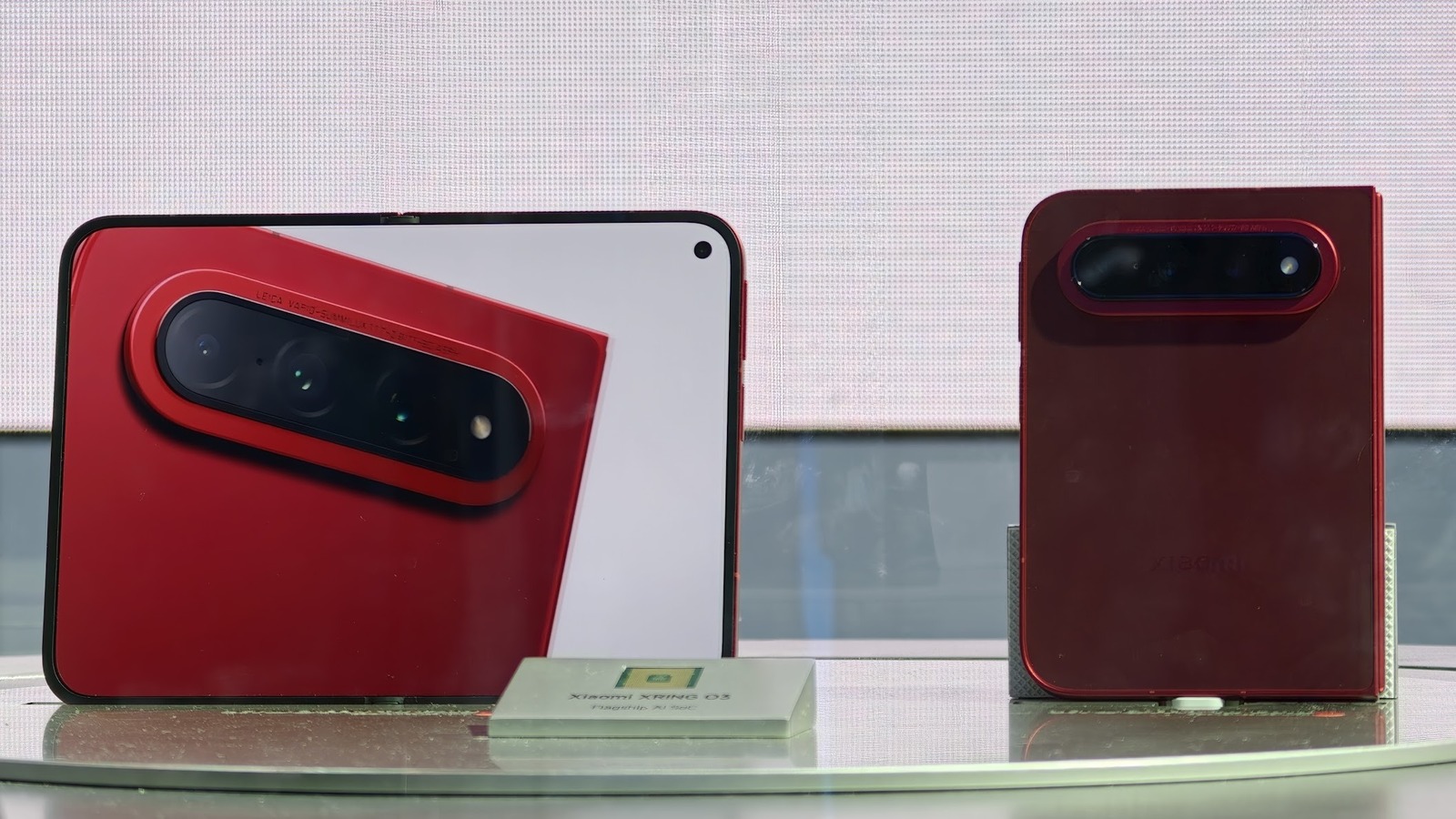
Lenovo unveils IdeaPad Vibe budget laptop starting at $699
Unveiled at IFA 2026, the IdeaPad Vibe differentiates itself from budget premium rivals with seven Pantone colors and modular hardware options.

While the MacBook Neo offers a rigid, limited configuration of four colors and non-upgradable internals, Lenovo is attempting to capture the budget premium market with a "rainbow" of seven aesthetics and user-accessible hardware. Announced at IFA 2026 in Berlin, the IdeaPad Vibe starts at $699.99 — price parity with both the MacBook Neo and the Dell XPS 13 — but attempts to disrupt the segment by offering modular styling and flexible processor options.
While Lenovo markets the line as "premium-built," the reality varies by model; some AMD configurations feature metal housing paired with ridged plastic bottom covers, whereas others use a full metal chassis. Furthermore, high-end display technology is not available across the entire color palette.
Related YouTube video


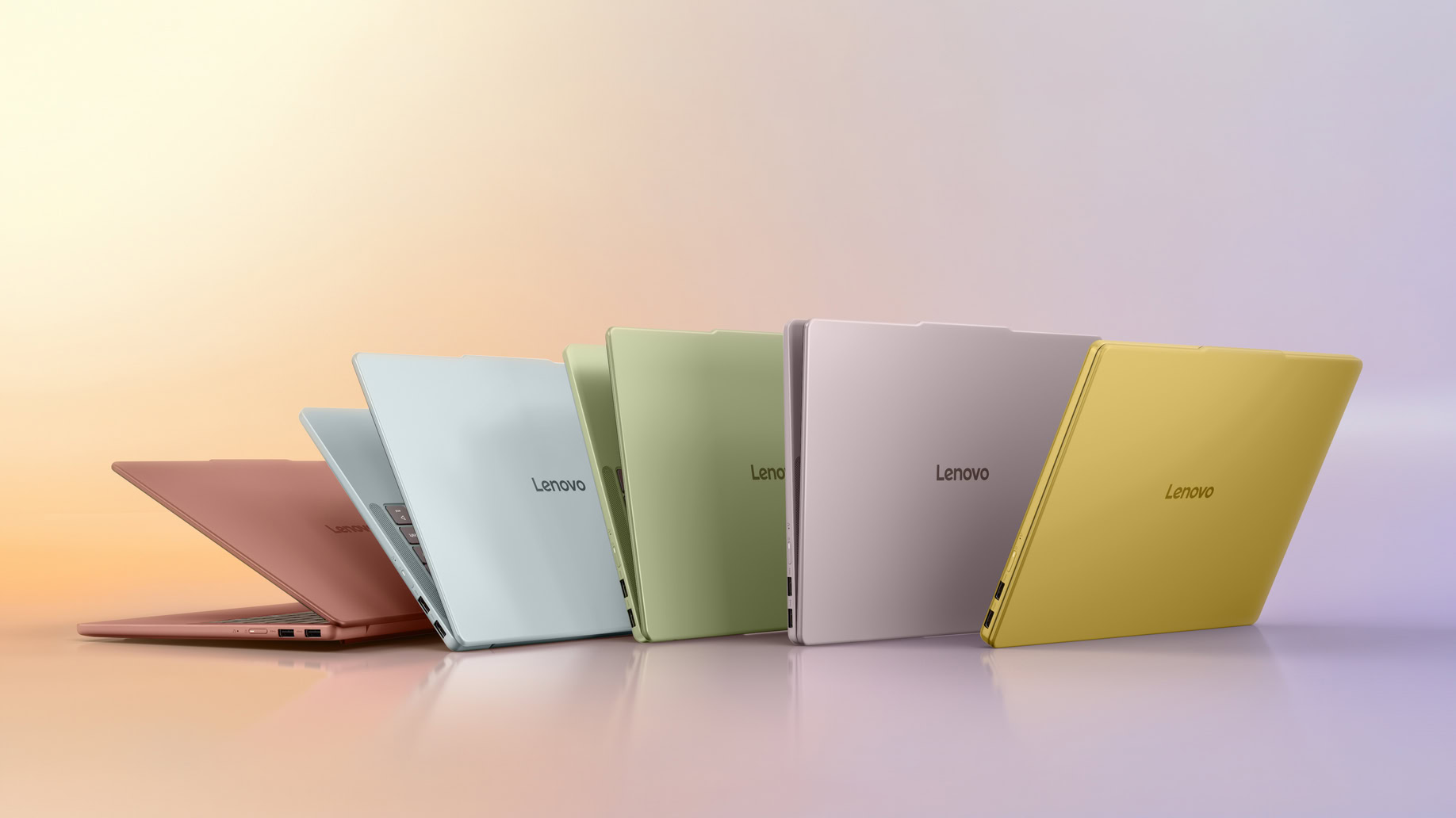
While all models come standard with a 120Hz IPS display, the upgrade to an OLED panel, featuring 100 percent DCI-P3 color gamut coverage and 600 nits peak brightness, is restricted to the Lowkey Grey and Moody Blue variants. The 14-inch OLED option reaches a 1,920 by 1,200 resolution, while the 15-inch model scales to 2.1K and offers optional multi-touch support.
Those choosing the AMD Ryzen AI 400 series gain the highest level of longevity through user-upgradable dual-channel RAM, capping at 32GB, and expandable SSDs up to 1TB. In contrast, the Qualcomm Snapdragon X "Purwa" models allow for SSD upgrades but feature memory capped at 24GB.
To run Windows Copilot+ PC AI features, the system must be equipped with at least 16GB of memory. While both the Neo and the Vibe start with 8GB of RAM and 256GB of SSD storage, only the Vibe allows users to manually "max out" the system to 32GB of RAM and 1TB of storage.
The trade-off extends to power management. According to Android Authority, the AMD variants offer a 50Wh battery for the 14-inch model and a 65Wh pack for the 15-inch model. The Snapdragon X variants are limited to the smaller 50Wh battery regardless of the chassis size.
Despite the budget pricing, the IdeaPad Vibe provides a port array that exceeds its primary competitors. The chassis includes two USB-C ports (supporting Power Delivery 3.0 and DisplayPort 1.4), two USB-A ports, a microSD card reader, and a 3.5mm headphone jack. This is a notable departure from the Dell XPS 13, which lacks a headphone jack, and the MacBook Neo, which lacks microSD support.
However, reporting on the actual speed of these ports is conflicted. The Verge reports that none of the ports are "particularly fast," claiming the USB-C and USB-A connections are limited to 5Gbps and the HDMI port is version 1.4. Conversely, Digital Trends identifies the machine as having a full-size HDMI 2.1 port.
Additional disagreements exist regarding the base model's utility. PCMag suggests that keyboard backlighting is an optional feature, implying it will be absent from the $699 starter model. The Verge contradicts this, stating the keyboard is backlit as a point of contrast against the MacBook Neo.
IdeaPad Vibe Configuration Matrix
| Feature | AMD Ryzen AI 400 | Qualcomm Snapdragon X |
|---|---|---|
| Max RAM | 32GB (User-Upgradable) | 24GB |
| Max Storage | 1TB (Expandable SSD) | 1TB (Expandable SSD) |
| Battery (14") | 50Wh | 50Wh |
| Battery (15") | 65Wh | 50Wh |
| Launch Date | October 2026 | November 2026 |
Beyond the silicon, Lenovo is leaning into modular aesthetics. The company developed seven hues with the Pantone Color Institute: Chill Blue, Moody Blue, Dreamy Violet, Lowkey Grey, Radiant Coral, Spicy Gold, and Zen Green. Lenovo will sell swappable keycaps separately, allowing users to mix and match colors on the keyboard deck.
Intel-powered versions, likely utilizing the Wildcat Lake platform, are expected at a later date. For now, the market remains uncertain regarding the exact cost of the higher-tier configurations. While the entry price is established, the specific pricing for OLED upgrades, expanded memory, and the larger 15-inch chassis will not be revealed until the October and November launch dates.
Physical Specifications and Ergonomics
The IdeaPad Vibe maintains a thickness of 0.59 inches, which Mashable notes is less than a tenth of an inch thicker than the MacBook Neo. Weight varies by chassis size, with the 14-inch model starting at 2.87 pounds and the 15-inch version starting at 3.31 pounds. According to PCMag, the 14-inch build is specifically designed for portability, while the 15-inch option is intended for users needing more screen real estate.
User interaction is handled via an oversized precision touchpad and an island-style keyboard featuring 1.3mm of key travel. For security and connectivity, the device integrates a 5MP IR webcam with a physical privacy shutter, dual-array microphones with smart noise cancellation, and support for Windows Hello facial recognition.
The transition to USB-C charging marks an evolution from the IdeaPad Slim series. Lenovo has also integrated proprietary software to manage the hardware, including Lenovo Vantage for AI-assisted power management, Smart Finder for natural language file search, and Lenovo Creator Zone for text-to-image generation.
While the starting price is $699.99 in the US, the lineup will start at €799 in Europe. The rollout begins with AMD Ryzen AI 400 models in October 2026, followed by Qualcomm Snapdragon X variants in November 2026. For those awaiting Intel-powered versions, the next step will be the release of models likely utilizing the Wildcat Lake platform, though Lenovo has only stated these will be available at a later date.
Archypedia is dedicated to independent, evidence-backed reporting. This briefing was synthesized from primary source reporting, corroborated across independent newsrooms, and verified against our Editorial Standards.
Transparency record
Evidence behind this report
This report synthesizes 5 distinct sources. Open the source ledger below to compare the underlying coverage.
Prepared under the Archypedia Editorial Policy by the Niko Vale editorial desk profile. AI-assisted tools may support drafting and verification; public accountability remains with Archypedia. Report an error.