Leaked Lenovo Googlebook 15 specs suggest premium OLED laptop with AI tools
Departing from the budget Chromebook model, the Googlebook 15 features a 15.3-inch 120Hz OLED screen and an OS designed to run Android apps natively.

NEW YORK — For years, the Chromebook has occupied a specific niche: an affordable, browser-centric tool for students and budget-conscious users. However, leaked specifications for the upcoming Lenovo Googlebook 15 suggest a sharp pivot toward the high-end market, featuring hardware that aligns more closely with a MacBook than a traditional budget laptop.
The leaked details, first reported by MacObserver and analyzed across Cnet, AOL, and Gizmodo, reveal a device equipped with an OLED display, high RAM capacities, and a new operating system designed to run Android apps natively.
Related YouTube video


Premium Hardware vs. Productivity Gap
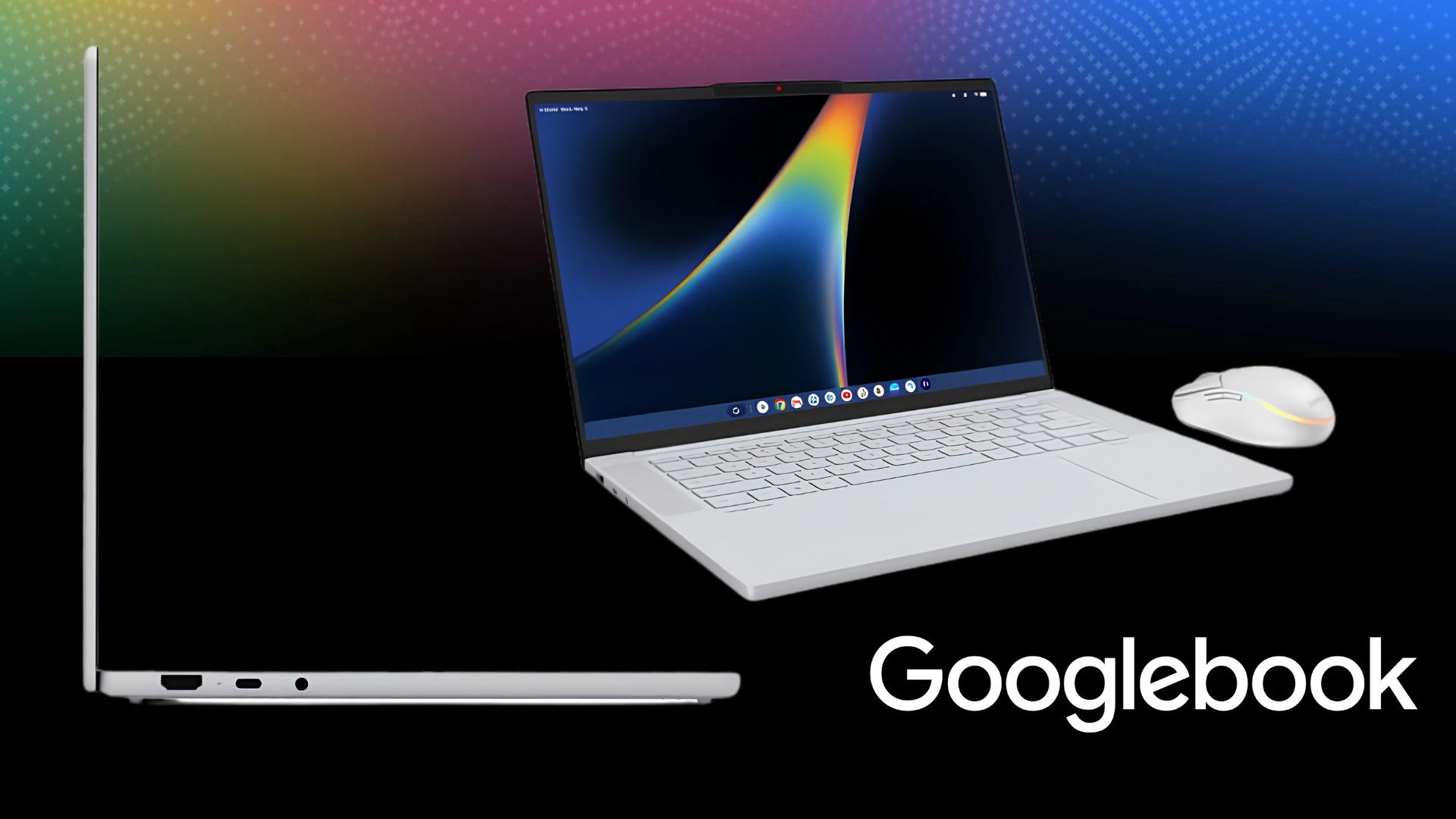
The Lenovo Googlebook 15 (internally identified as GB 151PH12) marks a departure from the plastic shells and low-resolution screens of the budget Chromebook era. According to leaked specs, the device uses an Intel Core Ultra 5 325 processor from the Panther Lake-H platform. Its 15.3-inch OLED display offers a 2,880-by-1,800-pixel resolution and a 16:10 aspect ratio, with 500 nits of brightness and 100% DCI-P3 color accuracy.
The inclusion of a haptic trackpad and a lightweight chassis — weighing 2.84 pounds, further positions the device as a direct competitor to professional-grade laptops. However, Gizmodo and Aol note that the success of this hardware depends on whether Google can make Android apps function effectively on a larger display.
| Specification | Leaked Detail |
|---|---|
| Processor | Intel Core Ultra 5 325 (Panther Lake-H) |
| RAM | 16GB or 32GB LPDDR5x |
| Storage | 256GB or 512GB SSD |
| Display | 15.3" OLED, 2,880 x 1,800, 120Hz |
| Battery | 70-watt-hour (up to 11 hours) |
| Weight | 2.84 pounds |
| Connectivity | Wi-Fi 7, Bluetooth 5.4, 2x Thunderbolt 4 |
The Transition to Googlebook OS
The most critical revelation in the leaked Lenovo documentation is the official name of the software: Googlebook OS. Previously known by the codename "Aluminum OS," this platform is built on an Android foundation. Chrome Unboxed reports that this branding aligns with Google's other platform naming conventions, such as Wear OS and Google TV.
The architectural shift to Android is intended to bridge the gap between mobile and desktop. Josh Goldman, managing editor for CNET, states that the primary advantage over Chromebooks is the speed of feature rollout. For instance, "Circle to Search" took roughly a year to move from Android phones to Chromebook Plus laptops; Googlebook OS is expected to receive such Android-native features almost simultaneously.
This includes "Create Your Widget," a tool for generating custom widgets that was recently announced for Android phones. By basing the OS on Android, Google aims to provide full access to the Android app universe while adding file storage and improved functionality for larger screens.
AI Hardware and Ecosystem Integration
Google has embedded AI triggers directly into the laptop's physical design. A dedicated "G" key is located on the bottom row between the Function and Alt keys. This key is expected to activate Gemini AI to provide "proactive help," which may include cross-app actions such as drafting emails or managing calendar events. Additionally, a "Glowbar" on the lid serves as a color-coded indicator for battery and charging status.
The AI ambitions extend to the accessories. Leaks describe a "Lenovo AI Mouse" featuring an RGB light strip that may sync with the laptop's Glowbar. While specific AI functions for the mouse remain unconfirmed, Gizmodo suggests it may interact with an "AI-ified" mouse cursor. an APK teardown by Android Authority indicates the software may use AI to automatically organize "Collections" of loose files on the desktop and in downloads folders.
Security is handled via a combination of a fingerprint sensor and "Google facial authentication." The latter, according to CNET, is potentially related to Project Toscana and uses a 5MP RGB webcam with a physical privacy shutter.
Frequently Asked Questions
Is the Googlebook 15 a Chromebook?
No. While it is a Google-branded laptop, it runs "Googlebook OS" (formerly Aluminum OS), which is built on an Android foundation, rather than the browser-centric ChromeOS found on Chromebooks.
How does Googlebook OS differ from ChromeOS?
Googlebook OS allows for faster deployment of Android-native features, such as Circle to Search, and provides deeper integration with the full universe of Android apps compared to the translation layers used in ChromeOS.
What is the estimated price?
Official pricing is not leaked, but analysts suggest it will likely be priced similarly to the Lenovo ThinkPad X9 15 Aura Edition, which starts at $1,519 and can reach $2,396 for higher configurations.
Final confirmation of the operating system's capabilities and the official pricing structure is expected during the Google media preview in New York on September 15th.
Peripheral Ecosystem and Physical Dimensions
The hardware strategy extends beyond the laptop chassis to a coordinated suite of accessories. According to MacObserver, a potential retail bundle includes Lenovo E310 True Wireless Earbuds and a Lenovo 540 Convertible Tote backpack. The previously mentioned AI Mouse is expected to feature an RGB light strip that matches the laptop's Glowbar, though its specific utility remains unconfirmed. Cnet suggests the mouse may offer cross-device functionality and seamless file sharing similar to the Logitech MX Master series.
The physical footprint of the GB 151PH12 is designed for mobility, measuring 13.43 by 9.29 by 0.63 inches. To support its premium positioning, Lenovo has equipped the device with four Dolby Atmos speakers positioned on either side of the backlit keyboard.
This port selection and the use of the Panther Lake-H platform imply the use of an Intel integrated graphics chip. While the hardware is robust, Aol reports that the device faces competition from Lenovo's own IdeaPad Vibe models, which may offer a lower price point for users seeking standard PC software.
Market Positioning and Launch Timeline
The shift toward a premium price point represents a gamble on the productivity capabilities of Googlebook OS. Gizmodo notes that the device's success depends on the native performance of Android apps on a large display, while AOL points out that 32GB of RAM is twice the capacity of any previous Chromebook. To justify this cost, Google is targeting professional users of Windows and MacBook laptops.
The rollout of these devices is imminent, with a fall launch expected. Bluetooth SIG filings have already confirmed the commercial branding for the 15.3-inch flagship as the Lenovo Googlebook i (15″, 12), according to Chrome Unboxed.
The next step for the industry is the Google media preview in New York on September 15th, where the company is expected to officially announce the operating system's capabilities and the final pricing structure.
Archypedia is dedicated to independent, evidence-backed reporting. This briefing was synthesized from primary source reporting, corroborated across independent newsrooms, and verified against our Editorial Standards.
Transparency record
Evidence behind this report
This report synthesizes 4 distinct sources. Open the source ledger below to compare the underlying coverage.
Prepared under the Archypedia Editorial Policy by the Niko Vale editorial desk profile. AI-assisted tools may support drafting and verification; public accountability remains with Archypedia. Report an error.