1666: Amsterdam launches in PC early access on August 25
Sixteen years after its initial announcement, Panache Digital Games will launch 1666: Amsterdam in PC early access on August 25 on Steam and the Epic Games Store.

Sixteen years after its initial announcement, Panache Digital Games will launch 1666: Amsterdam in PC early access on August 25, 2026, on Steam and the Epic Games Store. The third-person action-adventure carries a price of $29.99 USD, according to DLH and Gamereactor, though Eurogamer lists it at $30, and Tbreak notes that no price is listed on either store yet.
Running the early access build requires a 64-bit Windows 10 PC equipped with an RTX 2060 Super, RX 6600 or Arc 580, 16GB of RAM and 25GB of SSD storage; hardware ray tracing is required, as reported by Tbreak. Recommended hardware is an RTX 3080 Ti or RX 7700 with a Core i7-12700K or Ryzen 7 7700.
Related YouTube video
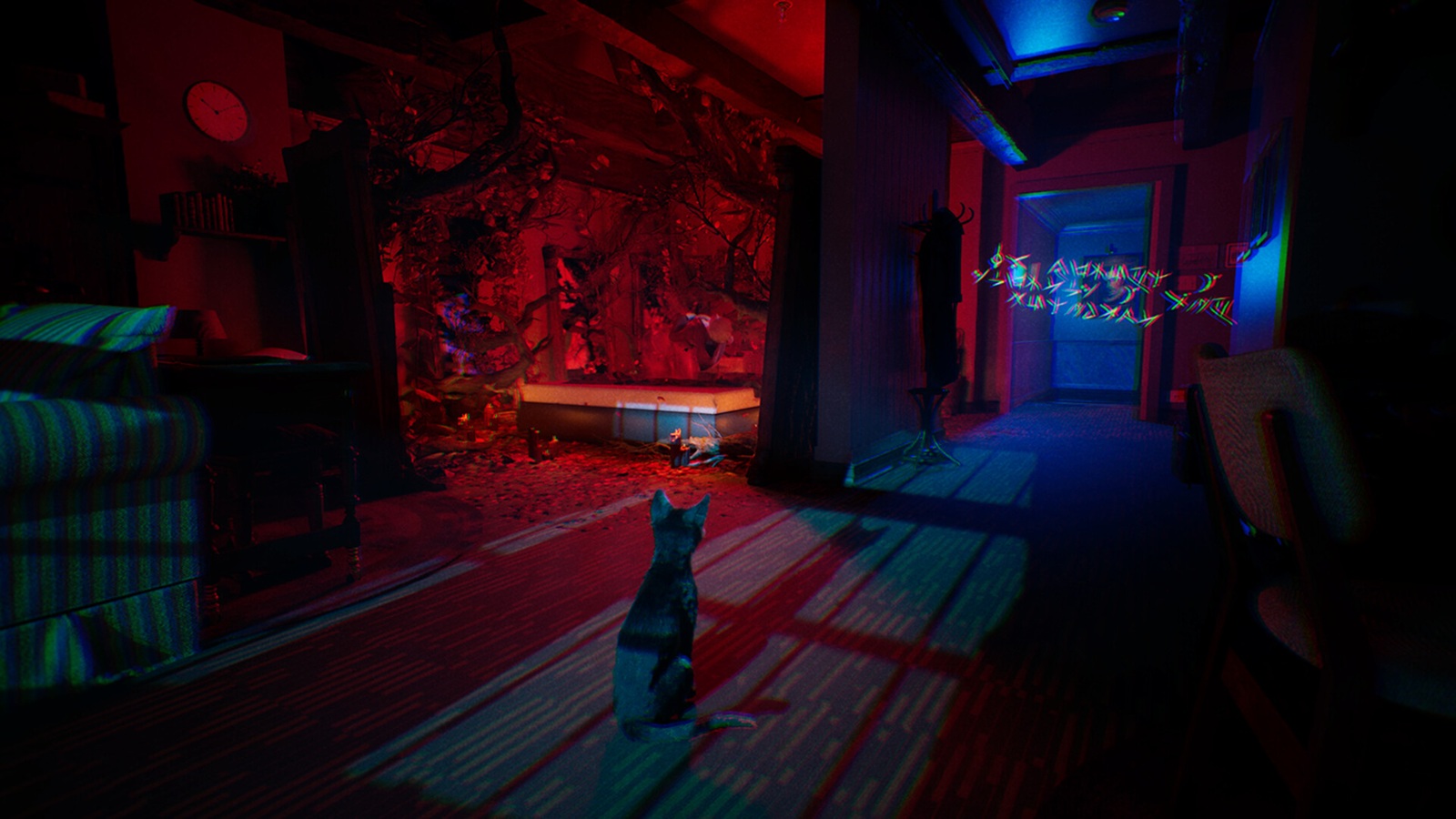

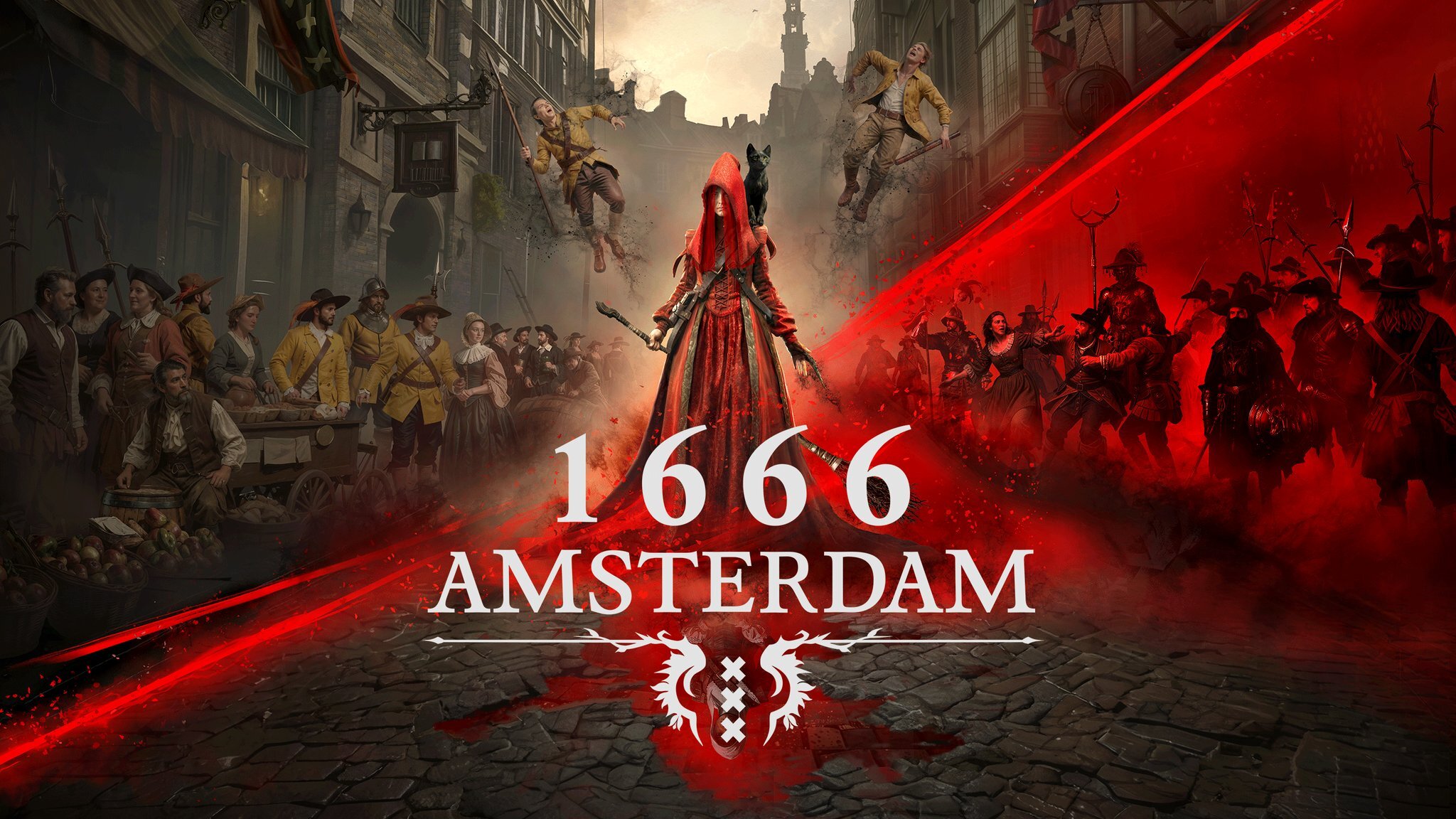
The core gameplay loop centers on a structured investigation and combat cycle governed by the full moon, known as Esbats, as detailed by Gamereactor and TheSixthAxis. By day, players control Noa—a witch of the Zaindaris born to be the Collector—as she investigates the daily routines of the Originals, immortals hiding behind human faces in Amsterdam. Daytime progression heavily relies on Noa's companion, Aaron: a cat whose head contains a man from 1999, according to Tbreak. Aaron can slip through windows and frighten people who are afraid of black cats. When night falls and the Esbat arrives, Noa hunts down the Original and fights them.
This structural design extends into a narrative across overlapping eras. According to Eurogamer, the plot casts players as Noa in 1666, Aaron in 1999, and a descendent of Noa in the modern day. Magic links Aaron and Noa such that Aaron becomes Noa's cat familiar in 1666, and Noa becomes Aaron's cat familiar in 1999.
Content scope and developmental roadmaps differ among early reports. Tbreak reports that the early access release covers the first piece of the campaign, roughly 15 hours of play, with Panache expecting about a year of updates before the game is done, each adding more of Amsterdam’s boroughs, more story and more Originals to collect. Conversely, Eurogamer cites an estimated 10-hour campaign that represents less than half of what Panache wants 1666: Amsterdam to offer in full. Tbreak adds that the Early Access price will start low and rise as the game nears completion.
The project arrives with a turbulent history. Initially announced in 2010 by Patrice Désilets while running THQ Montreal, the game was acquired by Ubisoft at THQ’s bankruptcy auction, as documented by Tbreak and Eurogamer. Désilets was fired days after the deal closed and spent years in a legal dispute before regaining the rights to 1666, paving the way for the studio's recent re-reveal at Summer Game Fest alongside a free prologue, with players also discovering AI-generated assets in the prologue and external marketing images, as noted by Gamereactor and Pcgamesn.
While previewers such as Shacknews came away impressed with the depth and quality of gameplay 1666 blends into its adventure through witchcraft and sorcery during a real-world trip to Amsterdam, others voice caution. PCGamesN highlights performance issues and rough voice acting in the prologue demo, questioning whether early access serves as a blessing or a curse.
Beyond the Prologue: Scope, Strategy, and the Road to 1.0
According to Tbreak, the initial early access release will encompass roughly fifteen hours of gameplay spanning the first segment of the campaign. By contrast, Eurogamer cites a ten-hour campaign estimate provided directly by Patrice Désilets, representing less than half of the complete vision Panache Digital Games intends to deliver. The studio projects an approximate one-year development window in early access, with planned updates set to introduce additional city boroughs, narrative chapters, and more Originals to hunt, as detailed by Tbreak.
The decision to use an early access model for a narrative-driven, single-player experience has sparked debate among critics. PCGamesN questions whether community-driven iteration will benefit a single-player title where long-term engagement differs inherently from multiplayer games, noting that performance issues and rough voice acting observed in the free prologue demo leave open questions about the game's technical readiness. Meanwhile, Gamereactor and PCGamesN report that players previously identified artificial intelligence-generated assets within both the prologue and external marketing materials. As the August 25 launch approaches, the next step for Panache Digital Games involves opening the game to the PC community on Steam and the Epic Games Store to gather feedback and shape the remaining chapters.
How significant is this development?
Contribute your assessment to the aggregated reader intelligence ledger.
Archypedia is dedicated to independent, evidence-backed reporting. This briefing was synthesized from primary source reporting, corroborated across independent newsrooms, and verified against our Editorial Standards.
Transparency record
Evidence behind this report
This report synthesizes 7 distinct sources. Open the source ledger below to compare the underlying coverage.
Prepared under the Archypedia Editorial Policy by the Niko Vale editorial desk profile. AI-assisted tools may support drafting and verification; public accountability remains with Archypedia. Report an error.