The Modern Office Lunch: Best Cooler Bags, Lunch Boxes, and Gear for Professional Dining
Consumer trends show a significant shift toward premium food transport as professionals prioritize cost-savings and nutrition through meal prepping. High-performance cooler bags, modular lunch boxes, and specialized accessories now combine thermal engineering with professional aesthetics to replace traditional disposable packaging, according to market analysis of workplace dining habits.
Why is there a surge in demand for stylish lunch kit?
The rise in demand for “cooler bags, lunch boxes and other clever bits of kit to take your food to work in style – Irish Independent” style accessories stems from a combination of economic pressure and the normalization of hybrid work. Market data indicates that the cost-of-living crisis has pushed employees away from daily takeout and toward home-prepared meals. This shift has transformed the lunch box from a utilitarian necessity into a professional accessory.
Industry reports suggest that the “brown-bagging” trend has evolved. Professionals are no longer satisfied with plastic containers that leak or lack insulation. Instead, they are investing in “kit”—a term used to describe a coordinated system of storage, cooling, and cutlery. This evolution is driven by several key factors:
- Economic Efficiency: Preparing meals at home reduces daily expenditure by an estimated 60% to 80% compared to mid-city cafe prices.
- Health Sovereignty: Control over ingredients allows workers to manage caloric intake and dietary restrictions, which is often impossible with corporate catering or fast food.
- Hybrid Work Integration: The transition between home and office requires gear that is portable, durable, and fits into a professional wardrobe.
“The office lunch is no longer just about sustenance; it is a reflection of a worker’s commitment to wellness and financial discipline,” according to retail trend analysts.
What makes a high-quality cooler bag?
A professional-grade cooler bag relies on three primary components: the outer shell, the insulating layer, and the interior liner. According to textile engineering standards, the effectiveness of a bag is measured by its ability to maintain a “cold chain,” keeping perishable foods below 4°C (40°F) to prevent bacterial growth.
Insulation Materials and Thermal Barriers
Most high-end cooler bags utilize closed-cell foam insulation. Unlike open-cell foam, closed-cell structures do not absorb water and provide a more effective barrier against heat transfer. High-performance models often incorporate reflective foil liners, which reflect radiant heat away from the food contents.
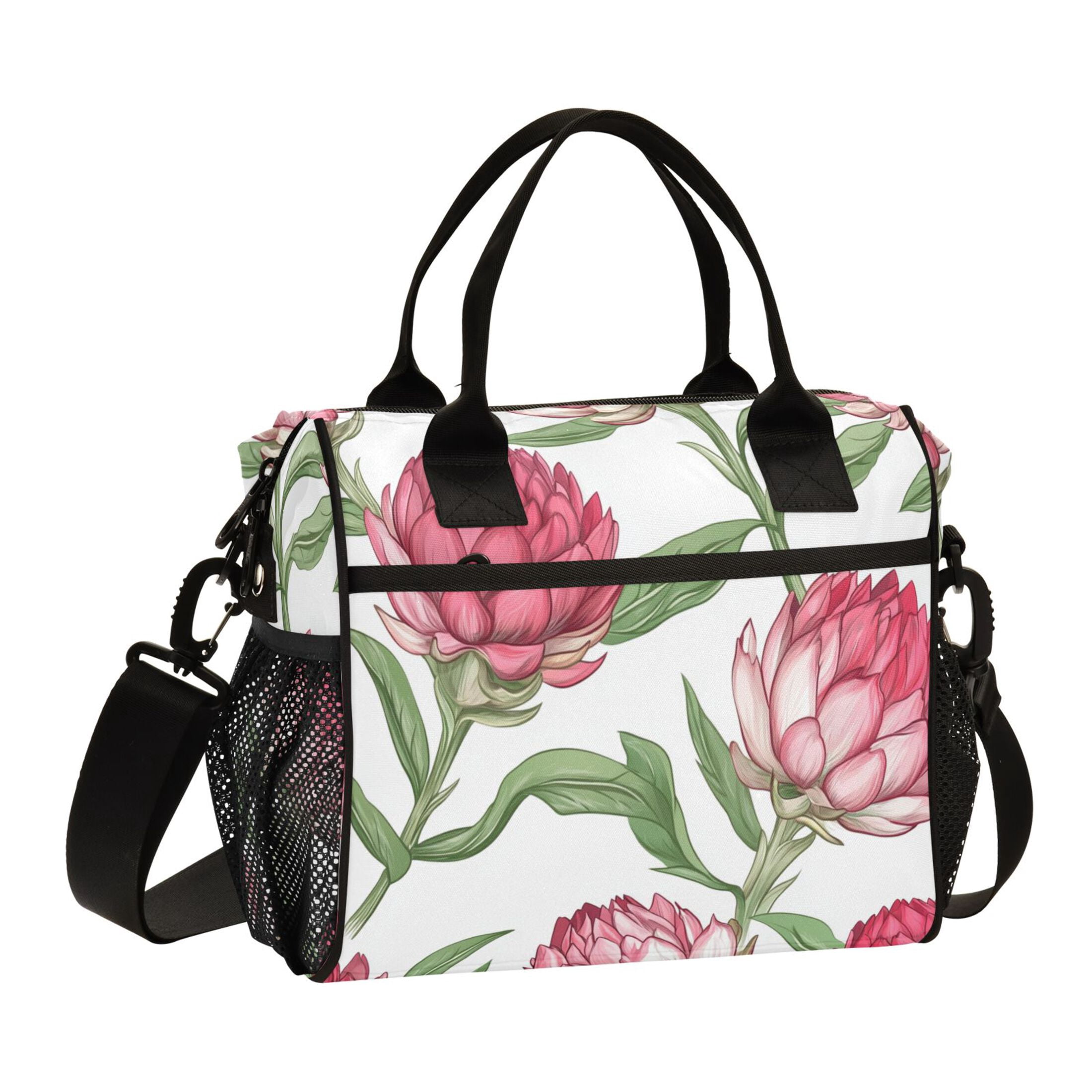
The effectiveness of these bags is often categorized by their “thermal hold” time. A standard insulated bag may maintain temperature for 4 to 6 hours, while heavy-duty professional versions, often featuring reinforced seams and airtight zippers, can extend this window to 12 or more hours when paired with gel packs.
Leak-Proofing and Hygiene
The interior lining is the most critical point of failure in budget bags. Professional kit typically uses heat-welded PEVA (polyethylene vinyl acetate) or TPU (thermoplastic polyurethane). These materials are non-toxic, BPA-free, and, most importantly, seamless. Seamless construction prevents liquids from leaking into the outer fabric, which prevents mold growth and odors.
Key features to look for in professional cooling kit include:
- Heat-sealed seams: Prevents leaks from spills.
- Water-resistant exteriors: Often made from high-denier nylon or polyester with a DWR (durable water repellent) coating.
- Dedicated ice pack pockets: Ensures that frozen elements do not directly touch and freeze delicate foods like salads.
How do bento boxes improve meal preparation?
The adoption of bento-style lunch boxes represents a shift toward compartmentalized eating. Originally a Japanese tradition, the bento box is designed to provide a balanced meal in a single container, preventing different food groups from mixing and compromising texture or flavor.
Food psychologists note that the visual organization of a bento box can make healthy eating more appealing. By separating a protein, a carbohydrate, and a vegetable into distinct sections, the user is more likely to adhere to a balanced diet. From a practical standpoint, compartmentalization eliminates the need for multiple small plastic bags or containers, reducing overall waste.
Modular vs. Fixed Compartments
Modern lunch kit offers two primary styles of organization:
- Fixed Dividers: These provide a permanent structure, ideal for those who eat the same proportions daily. They are generally more leak-proof because there are fewer moving parts.
- Modular Inserts: These allow the user to swap out containers based on the meal. A user might use a larger bowl for a salad on Monday and smaller pods for snacks and nuts on Tuesday.
According to product durability tests, modular systems are highly valued for their versatility but require higher-quality seals to ensure that liquids from one module do not migrate into another.
Which materials are best for food storage?
Choosing the right material for a lunch box involves a trade-off between weight, durability, and health safety. The industry has largely moved away from low-grade plastics due to concerns over chemical leaching, specifically Bisphenol A (BPA) and phthalates.
| Material | Pros | Cons | Best Use Case |
|---|---|---|---|
| Borosilicate Glass | Non-reactive, microwave safe, stain-resistant. | Heavy, fragile, can shatter. | Hot meals, soups, pasta. |
| Stainless Steel | Extremely durable, lightweight, non-toxic. | Not microwave safe, can be opaque. | Cold salads, sandwiches, fruit. |
| BPA-Free Plastic | Lightweight, affordable, transparent. | Can stain, may degrade over time. | Dry snacks, light salads. |
| Silicone | Collapsible, flexible, heat resistant. | Can absorb strong odors. | Portion control, space-saving. |
For those prioritizing health and longevity, borosilicate glass is widely considered the gold standard. Unlike tempered glass, borosilicate can withstand extreme temperature swings (from freezer to microwave) without cracking. However, for the commuting professional, stainless steel offers a superior strength-to-weight ratio, making it the preferred choice for those using public transport.
How do food safety standards impact lunch gear choices?
The primary risk of bringing food to work is the “Danger Zone”—the temperature range between 4°C and 60°C (40°F to 140°F) where bacteria multiply most rapidly. According to food safety guidelines, perishable foods should not remain in this zone for more than two hours.
This safety requirement dictates the “clever bits of kit” a professional should employ. A simple bag is rarely sufficient for a full workday. A complete safety system typically includes:
- Hard-shell ice packs: These maintain a lower temperature for longer than soft gel packs.
- Vacuum-insulated flasks: These use a double-wall construction with a vacuum between the layers to prevent heat transfer. They are essential for keeping soups hot or chilled smoothies cold for 12+ hours.
- Air-tight seals: Silicone gaskets create a vacuum seal that prevents oxygen from entering the container, which slows down the oxidation of fruits and vegetables.
Experts recommend placing the coldest items (like frozen gel packs) at the bottom of the cooler bag, as cold air sinks, ensuring a more consistent temperature throughout the container.
What are the environmental implications of lunch kit materials?
The shift toward high-quality, reusable gear is a direct response to the environmental impact of single-use plastics. A single employee using disposable plastic bags and containers for lunch can generate over 250 pieces of plastic waste per year. Investing in a durable kit significantly reduces this footprint.
However, the “sustainability” of the gear itself is a point of debate among environmental analysts. While stainless steel and glass are infinitely recyclable, the complex composites used in insulated cooler bags—combining nylon, foam, and plastic liners—are often difficult to recycle at the end of their life cycle.
To mitigate this, some manufacturers are introducing bio-based insulators made from recycled plastics or natural fibers. The trend is moving toward “circular” design, where components of the lunch kit can be replaced individually (e.g., replacing a worn-out zipper or a cracked lid) rather than discarding the entire unit.
For more on sustainable office practices, see a related explainer on corporate waste reduction.
How to maintain and clean professional food gear
The longevity of a premium lunch kit depends on proper maintenance. Because cooler bags often trap moisture, they are susceptible to mildew if not cleaned correctly. Most manufacturers advise against machine-washing insulated bags, as the agitation can break down the thermal foam layers.
Recommended maintenance protocols include:
- Wipe-downs: Use a mixture of mild soap and water on the interior liner after every use.
- Air-drying: Leave the bag open overnight to ensure all moisture evaporates.
- Deep cleaning: Use a diluted vinegar solution to remove stubborn odors from stainless steel or plastic containers.
- Seal inspection: Regularly check silicone gaskets for cracks or tears to ensure the kit remains leak-proof.
For glass and stainless steel containers, dishwasher use is generally acceptable, though hand-washing the lids (if they contain silicone seals) prevents the heat from warping the airtight grip.
Common misconceptions about office lunch gear
There are several prevailing myths regarding the effectiveness of lunch kit. One common misconception is that “the bigger the bag, the better the insulation.” In reality, larger bags with more empty air space lose temperature faster. The most efficient cooler bags are those that are sized appropriately for the contents, leaving minimal air gaps.
Another misconception is that all “BPA-free” plastics are entirely safe. Some chemists argue that “BPA-free” products often use BPS (Bisphenol S), which may have similar endocrine-disrupting effects. This is why there is a growing preference for inert materials like glass and medical-grade stainless steel among health-conscious professionals.
Finally, many believe that vacuum flasks are only for hot drinks. In fact, the same physics that keep coffee hot keep cold foods—such as chilled pasta or fruit—at a safe temperature for significantly longer than a standard plastic container.
Frequently Asked Questions
How long can food stay safe in a high-quality cooler bag?
According to food safety standards, food kept with adequate ice packs in a high-performance insulated bag can remain safe for 6 to 8 hours. However, if the internal temperature rises above 4°C (40°F) for more than two hours, the risk of bacterial growth increases.

Is stainless steel better than glass for work lunches?
It depends on the meal. Stainless steel is superior for durability and weight, making it ideal for commutes. Glass is superior for reheating, as it is microwave-safe and does not stain or retain odors from strong foods like curry or garlic.
What is the most effective way to stop a lunch box from leaking?
Look for containers with “locking lids” and silicone gaskets. The lock ensures a tight mechanical seal, while the silicone gasket fills the microscopic gaps between the lid and the container, creating an airtight and watertight barrier.
Do I really need a dedicated cooler bag if I have a fridge at work?
Yes, for the transit period. The time spent commuting in a car or on a train can put food in the “Danger Zone.” A cooler bag ensures the food arrives at the office fridge at a safe temperature, preserving both the quality and safety of the meal.
How do I remove smells from a plastic lunch box?
The most effective method is a paste of baking soda and water. Apply the paste to the interior, let it sit for several hours, and then rinse. For more stubborn odors, a soak in white vinegar can neutralize alkaline smells.
