Hormuz ship traffic climbs after war deal: trackers – News24
Ship traffic in the Strait of Hormuz has increased following a war deal, according to tracking data reported by News24. While the Wall Street Journal notes this reopening provides relief to the global economy, The Guardian reports that 80 mines still block the route, and Lloyd’s List indicates Iran has introduced mandatory insurance for transiting vessels.
Why is ship traffic increasing in the Strait of Hormuz?
Maritime tracking data indicates a rise in vessel movements through the Strait of Hormuz, a development News24 attributes to a recent war deal. This uptick in traffic suggests a return to normalized shipping patterns after a period of heightened tension and restricted access. The Wall Street Journal reports that the reopening of this critical waterway is bringing relief to the global economy, as the strait serves as the world’s most important oil transit chokepoint.
The increase in traffic represents a shift in risk assessment for shipping companies. For weeks, many tankers avoided the area or operated under heavy escort. Now, trackers show a steady climb in the number of hulls passing through the narrow corridor. This trend is a direct result of the diplomatic agreement aimed at stabilizing the region and ensuring the free flow of commerce.
Key factors driving the traffic surge include:
- Diplomatic De-escalation: The war deal has reduced the immediate threat of state-sponsored seizures or attacks.
- Supply Chain Pressure: Global markets are eager to clear backlogs of energy shipments.
- Economic Necessity: The high cost of rerouting ships around the Arabian Peninsula makes the Strait of Hormuz the only viable path for most Gulf producers.
How is the war deal affecting global oil prices and stock markets?
The stabilization of the Strait of Hormuz has triggered an immediate reaction in financial markets. According to CNN, oil prices are falling and stock markets are trending upward as the “risk premium” associated with a potential blockade evaporates. However, CNN also reports that some traders are concerned the market correction has gone too far, fearing that the rapid price drop may overshoot the actual equilibrium of supply and demand.

The relationship between Hormuz traffic and oil pricing is direct. Because a significant percentage of the world’s liquified natural gas (LNG) and crude oil passes through this gap, any threat of closure spikes prices instantly. The current decline in prices reflects the market’s belief that the war deal has effectively removed the threat of a total shutdown.
“Oil prices are falling and stocks are up. Traders worry they’ve gone too far,” CNN reports regarding the current market volatility following the deal.
For the broader economy, this price drop reduces input costs for manufacturers and lowers energy bills for consumers. The Wall Street Journal frames this as a broader economic relief effort, noting that the predictability of energy shipments is essential for global GDP stability.
What risks remain for vessels transiting the strait?
Despite the increase in traffic and the diplomatic deal, the waterway is not entirely safe. The Guardian reports that disruption will continue until 80 mines blocking the route are cleared. These explosives represent a significant “hidden” danger that tracking data and diplomatic agreements cannot resolve overnight.
The presence of these mines creates a paradox: while the political will to open the strait exists, the physical environment remains hazardous. Ship captains must still navigate with extreme caution, and the process of mine sweeping is slow and dangerous. Until these 80 mines are neutralized, the risk of accidental detonation remains a primary concern for maritime security teams.
The contrast between the “relief” reported by the Wall Street Journal and the “disruption” cited by The Guardian highlights the gap between macroeconomic optimism and operational reality. While the markets react to the deal, the ships must still deal with the physical remnants of conflict.
| Indicator | Current Status | Source |
|---|---|---|
| Ship Traffic | Climbing | News24 |
| Oil Prices | Falling | CNN |
| Physical Obstacles | 80 Mines Remaining | The Guardian |
| Economic Sentiment | Relief/Positive | WSJ |
What are the new insurance requirements for shipping in Hormuz?
As traffic returns, the cost of transit is changing. Lloyd’s List reports that Iran has imposed mandatory insurance on ships transiting the Strait of Hormuz. This move shifts the financial burden of risk and provides the Iranian government with a new mechanism of oversight and potential revenue.
Lloyd’s List further suggests that mandatory fees are likely to follow the insurance requirement. This creates a new operational cost for shipping companies. Even though the “war risk” premiums from private insurers may drop due to the deal, the introduction of state-mandated insurance and fees could offset those savings.
The imposition of mandatory insurance serves several purposes:
- Revenue Generation: Transitioning from a conflict footing to a regulatory footing allows for the collection of fees.
- Control: Mandatory insurance requires ships to register or disclose details, giving the coastal state more data on who is entering the strait.
- Risk Transfer: It ensures that the cost of potential accidents or mine strikes is covered by a formal policy, reducing the likelihood of abandoned wrecks blocking the channel.
Shipping companies now face a complex calculation: the benefit of the shorter route provided by the war deal versus the new costs of Iranian insurance and the lingering threat of uncleared mines. For more on how maritime law affects these transit zones, see a related explainer on international waters and transit rights.
The Strategic Importance of the Strait of Hormuz
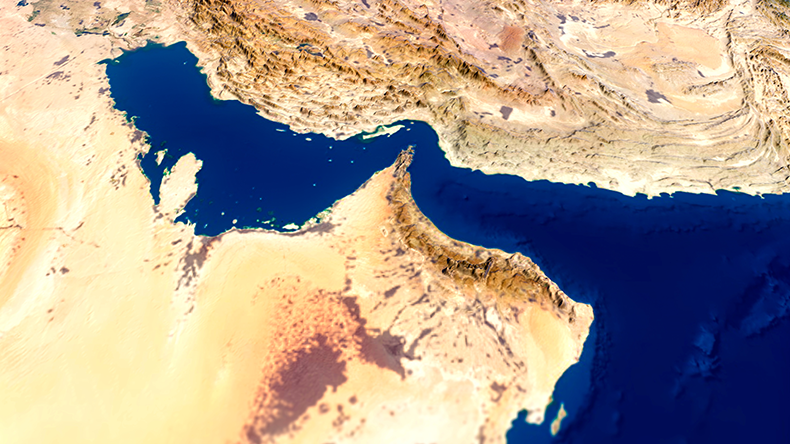
To understand why a climb in traffic reported by News24 is a global news event, one must look at the geography of the strait. It is a narrow waterway connecting the Persian Gulf with the Gulf of Oman and the Arabian Sea. At its narrowest point, the shipping lanes are only two miles wide in each direction.
The strait is the only sea passage from the Persian Gulf to the open ocean. This makes it a critical chokepoint for the global energy supply. Most of the oil from Saudi Arabia, Iraq, Kuwait, and the UAE must pass through this point to reach markets in Asia and Europe. A total closure would not just raise prices—it could trigger a global energy crisis.
The current situation demonstrates the fragility of global trade. The transition from a state of war to a “deal” does not instantly erase the dangers. The 80 mines mentioned by The Guardian are a physical reminder that diplomatic signatures do not immediately clear the water. Similarly, the insurance mandates reported by Lloyd’s List show how geopolitical leverage is often converted into economic regulation once the shooting stops.
Comparing Market Relief and Operational Danger
There is a notable divergence in how different outlets are framing the current status of the Strait of Hormuz. The financial perspective, represented by the Wall Street Journal and CNN, focuses on “relief” and “falling prices.” This is a top-down view, looking at the impact on GDP and stock portfolios. From this angle, the war deal is a success because it removes the threat of a total blockade.
In contrast, the operational perspective provided by The Guardian and Lloyd’s List is more cautious. They focus on the “bottom-up” reality: the ships, the mines, and the insurance premiums. For a ship captain, the “relief” of a war deal is secondary to the fact that 80 mines remain in the water. For a shipping company CFO, the falling price of oil is less important than the new mandatory insurance fees imposed by Iran.
This tension creates a volatile environment. If a ship were to strike one of the remaining mines, the “relief” felt by the markets could vanish instantly, leading to the “too far” correction that CNN’s traders already fear.
Frequently Asked Questions
Is the Strait of Hormuz completely safe for shipping now?
No. While News24 reports that traffic is climbing following a war deal, The Guardian notes that 80 mines still block the route, meaning physical danger remains for vessels.
Why are oil prices falling if there are still mines in the water?
Markets typically react to the reduction of systemic risk. According to CNN, the war deal has removed the threat of a coordinated blockade, which is a much larger risk to supply than individual mines, leading to lower prices.
What is the new insurance rule for ships in the strait?
According to Lloyd’s List, Iran has implemented mandatory insurance for all ships transiting the Strait of Hormuz, with additional transit fees expected to be introduced soon.
Who is benefiting most from the reopening of the strait?
The Wall Street Journal reports that the global economy is seeing relief, particularly in sectors dependent on stable energy prices and predictable supply chains.
How many mines are currently in the Strait of Hormuz?
The Guardian reports that there are 80 mines currently blocking the route that must be cleared before disruptions fully end.
The current trajectory of the Strait of Hormuz suggests a slow return to normalcy. The climb in traffic is a positive indicator, but the combination of mandatory insurance and uncleared explosives ensures that the region remains a high-risk zone. Market participants should monitor the progress of mine-clearing operations and the specific fee structures introduced by Iranian authorities to gauge the true cost of this new stability.
