
Thirteen people died in drowning incidents across France over the weekend as extreme heat waves intensified water-related risks, according to local media reports. The fatalities, reported in multiple regions including Provence-Alpes-Côte d’Azur and Île-de-France, highlight the growing challenges posed by prolonged high temperatures, which have exceeded 40°C (104°F) in some areas.
What Led to the Drownings?
French civil protection authorities attributed the incidents to a combination of unsafe swimming practices and the uncharacteristically warm weather, which encouraged increased water activities. Officials noted that several victims were found in rivers, lakes, and coastal areas where sudden weather changes or strong currents created hazardous conditions. A government spokesperson stated, “The heat has led to a surge in recreational water use, but many individuals underestimated the risks associated with these environments.”
Emergency services reported responding to over 50 water-related emergencies nationwide during the weekend, with rescue teams working extended hours to manage the surge. The National Institute of Health and Medical Research (INSERM) issued a warning about the dangers of dehydration and heatstroke, particularly for elderly populations and those engaging in outdoor activities.
How Did the Heatwave Impact the Region?
The current heatwave, classified as a “meteorological extreme” by the French National Meteorological Service (Météo-France), has persisted for over a week, breaking records in several departments. The government declared a state of alert in 12 regions, urging citizens to avoid prolonged exposure to the sun and to exercise caution near water bodies. Public beaches and lakes saw record attendance, with some areas reporting a 40% increase in visitors compared to the same period last year.
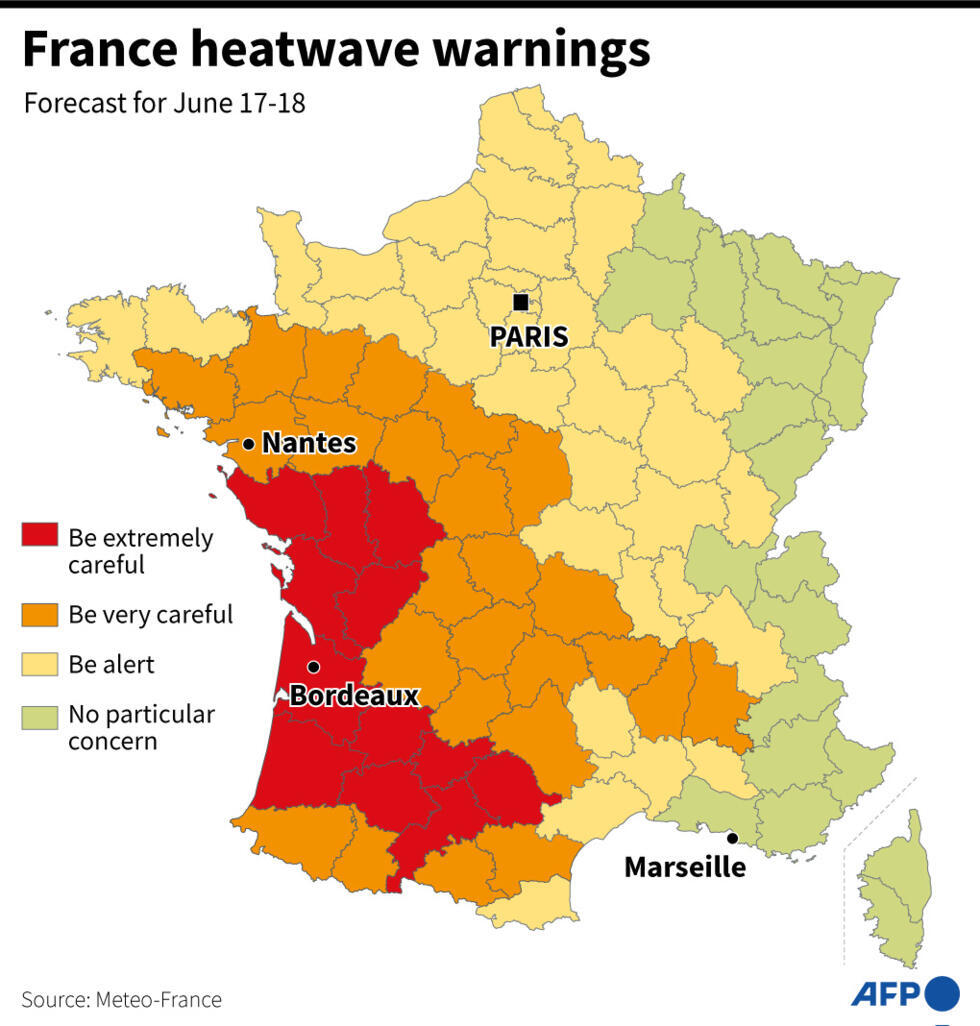
Health officials emphasized that the combination of high temperatures and humidity creates a “perfect storm” for accidents. “Even experienced swimmers can face unexpected challenges in these conditions,” said Dr. Claire Martin, a public health expert. “We are seeing a rise in cases of heat exhaustion and water-related injuries, which require immediate medical attention.”
What’s Next for France?
Local authorities plan to increase water safety campaigns in the coming weeks, including additional lifeguard deployments and public awareness initiatives. The Ministry of Interior has also announced a review of emergency response protocols for extreme weather events, following the recent surge in incidents. Meanwhile, meteorologists predict the heatwave will persist into early next week, with temperatures gradually declining by midweek.
