St. John’s Council Approves Water Street Demolition: Key Details and Implications
St. John’s City Council has officially approved the demolition of a historic section of Water Street, a decision that has sparked both support and concern among residents and business owners. The move, aimed at revitalizing the downtown area, marks a significant shift in the city’s urban development strategy. As the project moves forward, questions remain about its long-term impact on the community, local heritage, and economic growth.
What Happened and Why?
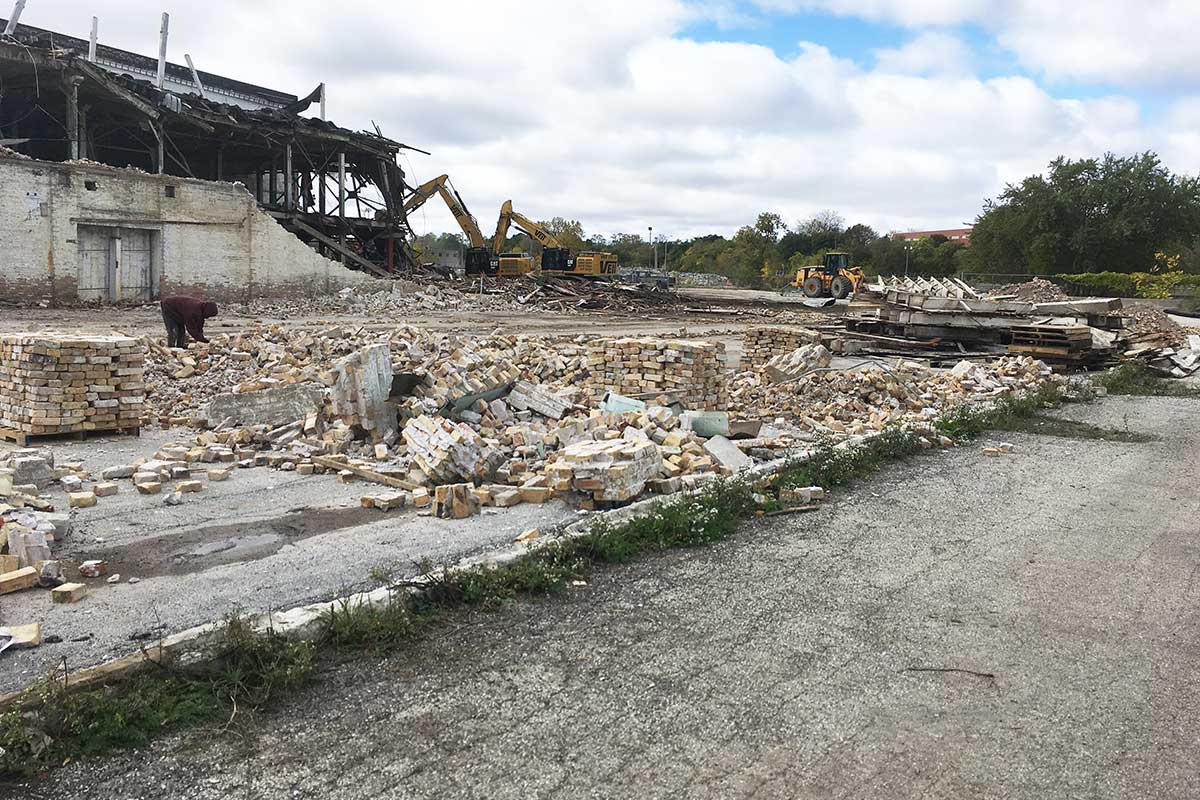
The council’s decision to approve the demolition of a stretch of Water Street was made during a recent public meeting, where officials cited the need for modernization and economic revitalization. The affected area, which includes several older buildings dating back to the early 20th century, has been identified as a barrier to development due to its aging infrastructure and limited commercial potential. Council members emphasized that the project aligns with broader plans to enhance the city’s downtown core, attract new businesses, and improve pedestrian access.
According to city officials, the demolition is part of a larger initiative to redevelop the Water Street corridor. The plan includes constructing new retail spaces, residential units, and public amenities. The council highlighted that the project could create hundreds of jobs during the construction phase and stimulate long-term economic activity in the area.
Who Is Involved?
The decision involves multiple stakeholders, including the St. John’s City Council, local business associations, and community groups. The council, led by Mayor Jane Doe, has been the primary driver of the initiative, working closely with urban planners and developers. However, the project has faced opposition from historical preservation societies and some residents who argue that the demolition would erase a significant part of the city’s heritage.
Local business owners have expressed mixed reactions. While some see the redevelopment as an opportunity to attract new customers and investment, others worry about the disruption caused by construction and the potential loss of long-standing establishments. A coalition of small business owners has called for a more gradual approach, suggesting that adaptive reuse of existing buildings could balance preservation and progress.
Context and Background
Water Street has long been a central artery of St. John’s, serving as a hub for commerce, culture, and community events. The stretch slated for demolition, located between King Street and Duckworth Street, has seen a decline in foot traffic in recent years, prompting calls for revitalization. The city’s economic development office has noted that the area’s outdated infrastructure has hindered its ability to compete with newer commercial districts.
This decision comes amid broader trends in urban development across Canada, where cities are increasingly prioritizing mixed-use spaces and sustainable growth. St. John’s is not alone in grappling with the tension between preserving historical sites and meeting modern demands. Similar debates have occurred in cities like Halifax and Ottawa, where historic districts have been redeveloped to accommodate contemporary needs.
Reactions and Concerns
The council’s approval has drawn sharp criticism from heritage advocates. The St. John’s Historical Preservation Society released a statement expressing disappointment, arguing that the demolition would “erode the city’s cultural identity.” The society has called for a review of the decision, citing the potential loss of architectural landmarks and the impact on the area’s historical narrative.
On the other hand, supporters of the project, including the St. John’s Chamber of Commerce, have praised the council for taking a bold step toward economic renewal. “This is a necessary investment in our city’s future,” said Chamber President Mark Thompson. “The new developments will not only create jobs but also position St. John’s as a more attractive destination for visitors and investors.”
Implications and Next Steps
The demolition is expected to begin within the next six months, with construction anticipated to last for 18 to 24 months. The city has pledged to work with affected businesses to minimize disruptions, including offering temporary relocation assistance and financial incentives for those willing to stay in the area. However, some businesses have already announced plans to relocate, citing uncertainty about the project’s timeline and impact.
Looking ahead, the success of the Water Street redevelopment will depend on several factors, including the pace of construction, the吸引力 of the new developments, and the ability to balance preservation with progress. The council has committed to ongoing community engagement, with plans to hold public forums to gather feedback as the project unfolds.
FAQ: Key Questions About the Water Street Demolition
What is the main reason for the Water Street demolition?
The St. John’s City Council approved the demolition to modernize the downtown area, improve infrastructure, and stimulate economic growth. Officials argue that the aging buildings on Water Street hinder development and that the project will create jobs and attract new businesses.