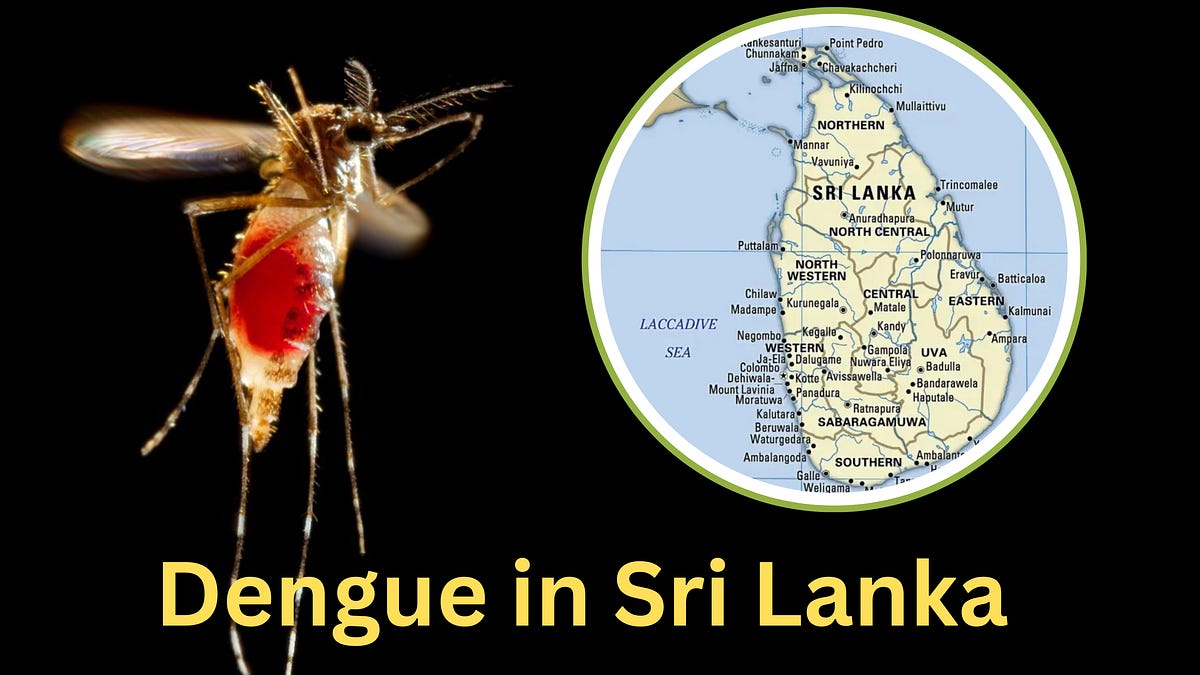
Sri Lanka Dengue Cases Up in 2026 Compared to Last Year – Outbreak News Today
Sri Lanka is seeing a significant increase in dengue fever infections in 2026 compared to the previous year, triggering an urgent public health response. To combat the rising trend, authorities have activated the Simplified Early Action protocol (sEAP No.: sEAP2024LK01, Operation No.: MDRLK022) and scheduled an islandwide mosquito control drive from June 8 to June 10, 2026, with special targeted programs focused on 14 high-risk districts.
Why are dengue cases rising in Sri Lanka in 2026?
The current surge in infections has led to an urgent alert regarding the rising trend of dengue, as reported by The Sunday Times, Sri Lanka. While specific environmental triggers for the 2026 spike are being monitored, the increase in cases compared to last year indicates a heightened risk of widespread transmission. Dengue is typically driven by the proliferation of Aedes aegypti mosquitoes, which thrive in stagnant water and urban environments.
The urgency of the current situation is reflected in the shift from routine monitoring to active emergency protocols. When case numbers climb beyond expected seasonal baselines, the health system must pivot toward aggressive vector control to prevent hospitals from becoming overwhelmed. This year’s trend suggests a more aggressive transmission cycle than what was observed during the same period in 2025.
The activation of emergency protocols and the issuance of urgent alerts signal that the current trajectory of the outbreak requires immediate, coordinated intervention across both urban and rural sectors.
What is the Simplified Early Action protocol (sEAP)?
In response to the escalating numbers, a Simplified Early Action protocol has been activated. According to ReliefWeb, this operation is identified as sEAP No.: sEAP2024LK01 (Operation No.: MDRLK022). An sEAP is a strategic framework designed to trigger a rapid release of resources and personnel before a health crisis reaches a catastrophic peak.
The activation of sEAP No.: sEAP2024LK01 typically involves several critical steps to flatten the curve of infection:
- Resource Mobilization: Rapid deployment of medical supplies, diagnostic kits, and personnel to affected regions.
- Early Warning Systems: Enhancing the reporting speed from local clinics to central health authorities to identify new hotspots in real-time.
- Preventative Funding: Releasing emergency funds to support local government units in conducting fogging and cleaning operations.
- Public Communication: Issuing targeted warnings to the population to eliminate breeding sites.
By utilizing the sEAP framework, Sri Lankan health authorities aim to move from a reactive stance—treating patients as they arrive—to a proactive stance—reducing the mosquito population to stop the infections from occurring.
How is the islandwide mosquito control drive being implemented?
A major component of the current strategy is a massive, coordinated effort to eliminate mosquito breeding grounds. The Daily Mirror – Sri Lanka reports that an islandwide mosquito control drive is set for June 8–10, 2026. This three-day window is designed to create a synchronized “shock” to the mosquito population across the country.
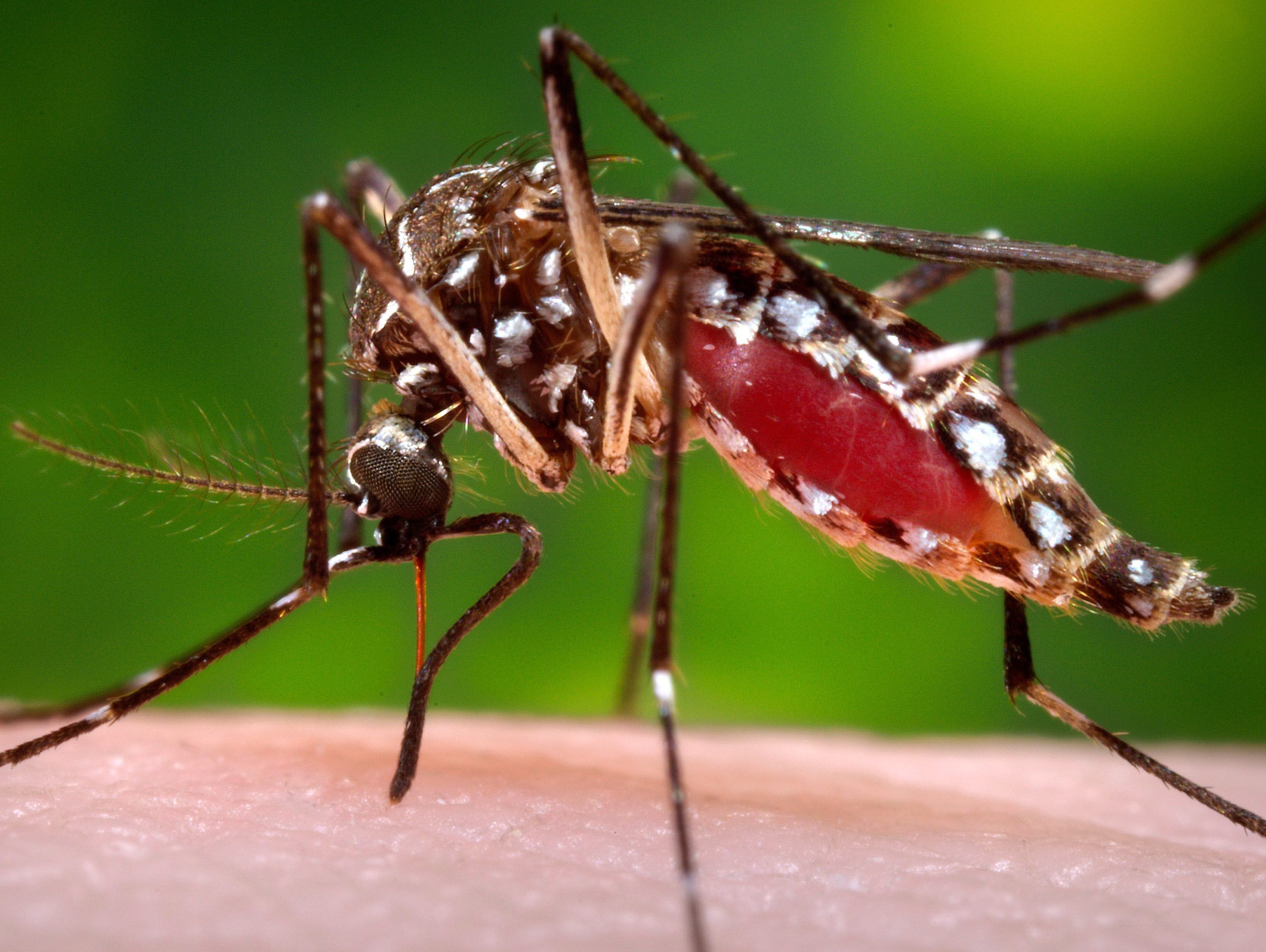
These drives generally focus on the removal of “artificial containers” where Aedes mosquitoes lay their eggs. Common targets include:
- Uncovered water storage tanks and drums.
- Discarded tires, plastic containers, and coconut shells.
- Blocked roof gutters and flowerpot saucers.
- Construction site puddles.
The timing of this drive (June 8–10) is critical, as it seeks to disrupt the breeding cycle during a period of increased transmission. Success depends heavily on community participation, as government health inspectors cannot access every private residence or backyard.
| Action Item | Timeline / Scope | Primary Goal |
|---|---|---|
| Islandwide Control Drive | June 08–10, 2026 | Mass elimination of breeding sites |
| sEAP Activation | Operation MDRLK022 | Rapid resource and protocol deployment |
| Special District Program | 14 Selected Districts | Intensified vector control in hotspots |
Which areas are under the special dengue control programme?
While the June 8–10 drive is islandwide, some regions require more intensive intervention than others. According to Island.lk, a special dengue control programme has been planned specifically for 14 districts. These districts are likely those exhibiting the highest density of cases or those where the sEAP data indicates a higher risk of an uncontrolled surge.
The strategy for these 14 districts differs from the general islandwide drive in several ways:
Intensified Surveillance
In these high-priority zones, health officials may implement more frequent inspections of households and businesses. This ensures that the “clean-up” is not a one-time event but a sustained effort to keep the larval index low.
Targeted Chemical Intervention
While general cleaning is preferred, high-risk districts often see an increase in the use of larvicides and space spraying (fogging) to kill adult mosquitoes quickly and break the immediate chain of transmission.
Localized Public Health Campaigns
The 14-district program likely includes localized communication efforts, such as community meetings and door-to-door awareness campaigns, to educate residents on the specific risks present in their immediate environment.
For those living in these priority districts, the risk of infection is statistically higher, making adherence to the June 8–10 cleaning drive even more critical.
Why this surge matters for public health in 2026
The fact that Sri Lanka dengue cases are up in 2026 compared to last year is not merely a statistical concern; it has direct implications for the country’s healthcare infrastructure. A surge in dengue cases puts immense pressure on hospital bed capacity, particularly in pediatric wards, as children are often more susceptible to severe forms of the virus.
Furthermore, the activation of the Simplified Early Action protocol (sEAP) suggests that the government views the current trend as a potential crisis rather than a standard seasonal fluctuation. When an sEAP is triggered, it indicates that the “threshold” for normal management has been crossed, necessitating a shift toward emergency operations.
The success of the June 8–10 drive and the 14-district program will determine whether the outbreak can be contained or if it will evolve into a prolonged health emergency. If the mosquito population is not significantly reduced during this window, the risk of “dengue hemorrhagic fever”—the more severe and potentially fatal form of the disease—increases as the total number of infected individuals grows.
Related explainer on vector-borne disease management may provide further context on how these protocols work globally.
Common misconceptions about dengue outbreaks
During surges like the one seen in 2026, several misconceptions often circulate that can hinder control efforts. It is important to clarify these points to ensure the public takes the correct precautions.
Misconception 1: Fogging is the only way to stop dengue.
While fogging (space spraying) kills adult mosquitoes, it does nothing to stop the larvae. This is why the Daily Mirror – Sri Lanka emphasizes the “control drive” for June 8–10, which focuses on removing breeding sites. Without removing the water where larvae live, fogging provides only a temporary reprieve.
Misconception 2: Dengue only happens in slums or poor areas.
Dengue is an urban threat. Aedes mosquitoes prefer clean, stagnant water, which is often found in well-maintained gardens, luxury apartments (in flowerpots or AC trays), and modern construction sites. The 14-district program targets high-risk areas regardless of socioeconomic status.
Misconception 3: If you have a fever, it’s just a common cold.
The “urgent alert” from The Sunday Times serves as a reminder that early detection is key. Dengue often starts with a high fever and joint pain. Waiting too long to seek medical attention can lead to complications. Early diagnosis allows for proper hydration and monitoring, which are the primary ways to prevent severe outcomes.
Frequently Asked Questions
When is the main mosquito control drive happening?
The islandwide mosquito control drive is scheduled to take place from June 8 to June 10, 2026, as reported by the Daily Mirror – Sri Lanka.
What is sEAP No.: sEAP2024LK01?
According to ReliefWeb, this is a Simplified Early Action protocol activated to mobilize resources and implement emergency measures to combat the rising trend of dengue cases in Sri Lanka.

How many districts are part of the special control programme?
As reported by Island.lk, a special dengue control programme has been planned for 14 specific districts identified as high-risk.
Why are cases higher in 2026 than in 2025?
While the exact cause is under investigation, reports from Outbreak News Today and The Sunday Times indicate a rising trend in cases compared to the previous year, leading to the issuance of urgent health alerts.
What should residents do during the June 8–10 drive?
Residents are encouraged to identify and eliminate all stagnant water sources around their homes, such as uncovered tanks, old tires, and flowerpots, to destroy mosquito breeding sites.
