Cape Town Restaurant Named Among the World’s 16 Most Beautiful Restaurants for 2026 – IOL
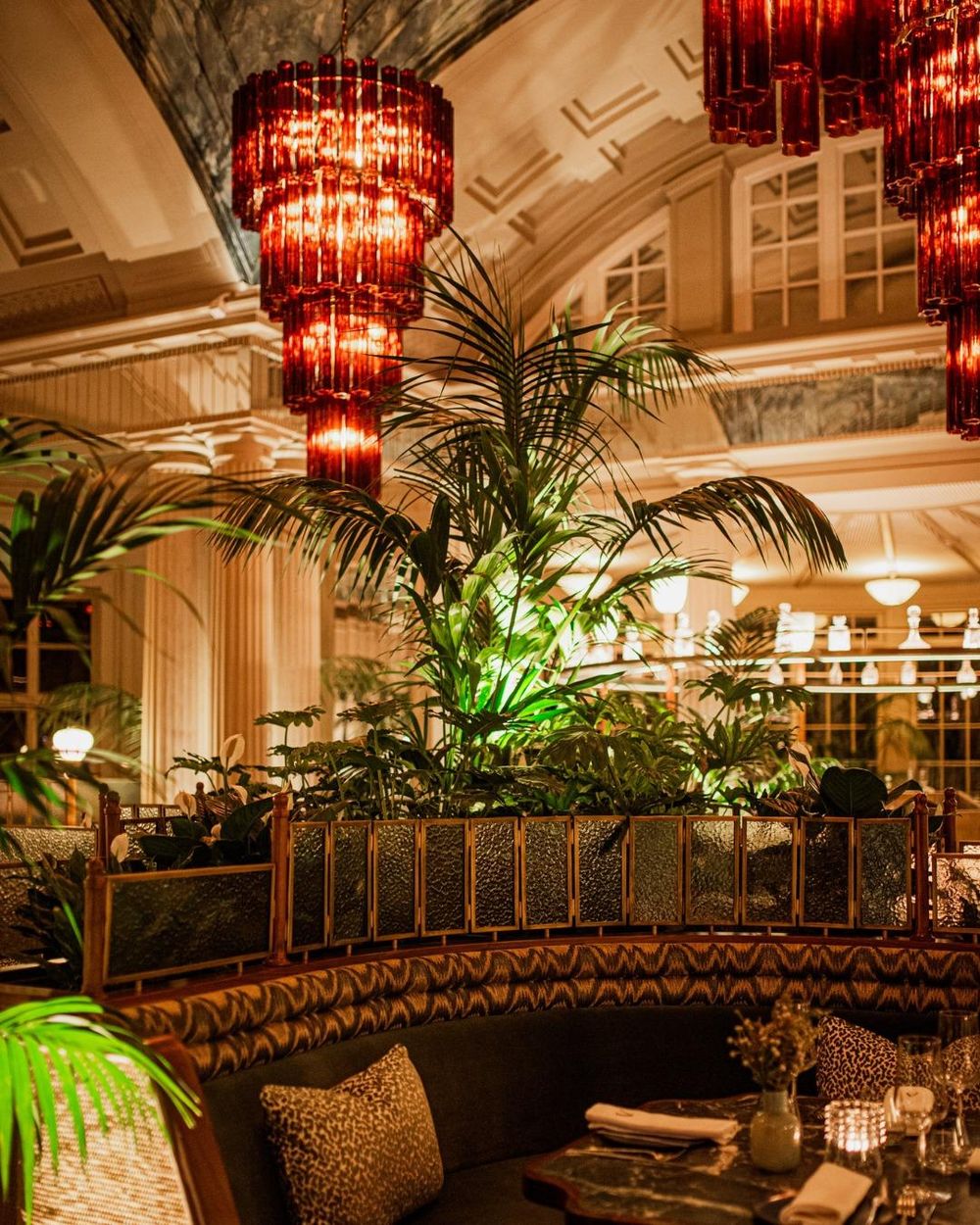
Amura, a distinguished dining destination in Cape Town, has been officially recognized by Forbes as one of the 16 most beautiful restaurants in the world for 2026. This international accolade places the South African establishment among an elite group of global venues celebrated for their exceptional aesthetic appeal and design.
Which Cape Town Restaurant Made the World’s Most Beautiful List?
The restaurant capturing global attention is Amura. Based in Cape Town, Amura has secured a spot on a prestigious list curated by Forbes, which identifies the 16 most beautiful restaurants globally for the year 2026. The news has been widely circulated across several major South African media platforms, including IOL, News24, The South African, and Cape Town ETC, highlighting the significance of the achievement for the local hospitality sector.
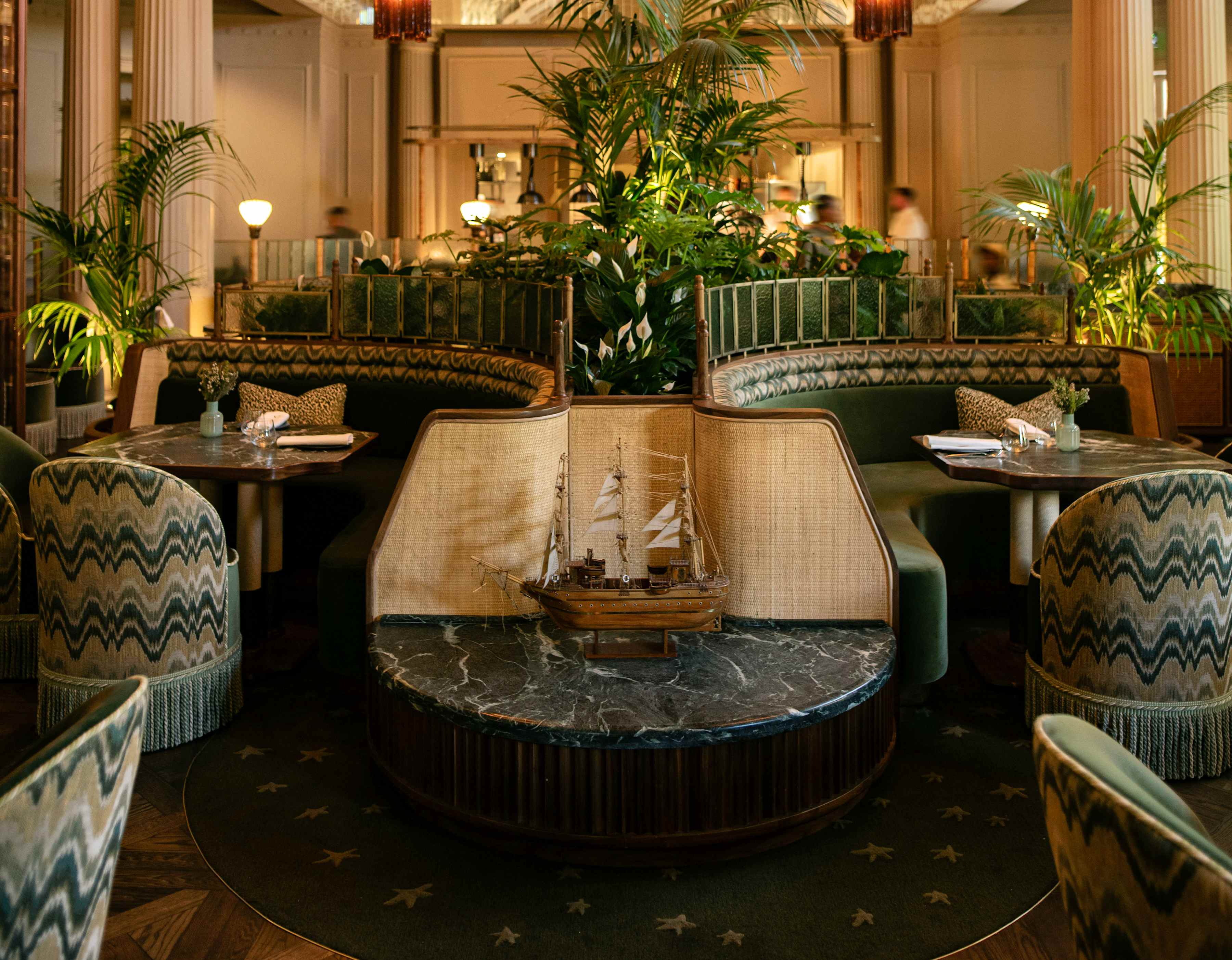
While many restaurants focus solely on the culinary experience, Amura’s inclusion on this list underscores a successful integration of gastronomy and visual artistry. Being named among the 16 most beautiful restaurants worldwide suggests that the venue’s architecture, interior design, and overall atmosphere are considered world-class.
- Restaurant: Amura
- Location: Cape Town, South Africa
- Awarding Body: Forbes
- Category: World’s 16 Most Beautiful Restaurants for 2026
The Significance of a Forbes Recognition for South African Dining
Forbes is recognized globally as a leading authority on business, luxury, and lifestyle. When a publication of this stature identifies a venue as one of the most beautiful in the world, it transcends a simple design compliment; it becomes a powerful marketing tool and a badge of international prestige.
For Amura, this recognition serves as a global endorsement. In the competitive landscape of high-end dining, “beauty” is often a proxy for attention to detail. The meticulous planning required to create a space that earns a spot on a top-16 global list typically mirrors the precision found in the kitchen. This synergy between the environment and the plate is what defines the modern luxury dining experience.
The inclusion of a Cape Town venue on a global list curated by Forbes signals to international travelers and food enthusiasts that South Africa continues to punch above its weight in the global luxury market.
How Aesthetics Influence the Modern Gastronomic Experience
The trend of “destination dining” has shifted the expectations of the modern diner. It is no longer sufficient for a restaurant to serve world-class food; the environment must provide a sensory experience that complements the meal. Amura’s recognition as one of the 16 most beautiful restaurants for 2026 reflects this broader industry shift.

The Role of Visual Storytelling
In an era dominated by visual social media, the physical beauty of a restaurant acts as a primary draw. However, for a venue to be recognized by a professional editorial body like Forbes, the beauty must go beyond “Instagrammability.” It requires a cohesive design language—incorporating lighting, materials, spatial flow, and a connection to the surrounding environment—that enhances the psychological state of the guest.
The Intersection of Architecture and Taste
Design influences how guests perceive flavor and service. High ceilings, strategic acoustics, and curated color palettes can all alter the dining mood. By achieving this level of aesthetic excellence, Amura creates a backdrop that elevates the culinary offerings, making the act of dining a holistic event rather than just a meal.
| Element of Design | Impact on Dining Experience |
|---|---|
| Atmospheric Lighting | Sets the mood and enhances the visual presentation of food. |
| Spatial Architecture | Influences guest comfort and the perceived exclusivity of the venue. |
| Interior Materiality | Communicates the brand’s identity (e.g., luxury, minimalism, or heritage). |
| Environmental Integration | Connects the diner to the local geography of Cape Town. |
Cape Town’s Growing Status as a Global Culinary Hub
The recognition of Amura is not an isolated event but part of a larger trajectory for Cape Town. The city has long been known for its natural beauty, but its culinary scene has evolved into a sophisticated ecosystem that attracts international attention.

Cape Town’s ability to blend local ingredients with international techniques has created a unique gastronomic identity. When a local restaurant is named among the most beautiful in the world, it validates the city’s investment in high-end infrastructure and creative design. This creates a ripple effect, encouraging other local entrepreneurs to invest in the aesthetic and experiential quality of their businesses.
For those interested in the broader context of the city’s appeal, a related explainer on Cape Town’s luxury tourism growth would provide further insight into why the city is becoming a magnet for global accolades.
Economic Implications for the Local Sector
International lists often drive a measurable increase in “gastronomic tourism.” Travelers frequently plan trips around specific, highly-ranked venues. Amura’s placement on the Forbes list for 2026 is likely to increase international bookings, which in turn supports local suppliers, staff, and the wider hospitality economy in the Western Cape.
Common Misconceptions About “Beautiful” Restaurant Rankings
A common misconception is that a “most beautiful” list ignores the quality of the food. In reality, these rankings often consider the “total experience.” A restaurant that is visually stunning but serves poor food rarely maintains the reputation required to be noticed by global editorial teams.
Another misunderstanding is that such lists are based solely on luxury or opulence. Beauty in modern design often refers to minimalism, sustainability, or the innovative use of local materials. The “beauty” Forbes recognizes is typically a combination of innovation, harmony, and the ability of the space to evoke an emotional response from the visitor.
What This Means for the Future of South African Hospitality
The success of Amura sets a benchmark for other South African establishments. It demonstrates that local venues can compete not just on the basis of hospitality and flavor, but on the basis of world-class design and conceptual brilliance.
As we move toward 2026, the focus for the industry will likely shift further toward “experiential luxury.” This means creating spaces that tell a story about the region while adhering to global standards of excellence. The recognition of Amura proves that Cape Town is capable of delivering this hybrid experience.
Key points regarding the impact of this recognition include:
- Global Visibility: Direct exposure to the Forbes readership, which consists of high-net-worth individuals and global travelers.
- Competitive Pressure: Encouraging other local restaurants to elevate their interior and architectural standards.
- Brand Equity: Establishing Amura as a landmark destination rather than just a dining venue.
Frequently Asked Questions
Which Cape Town restaurant was named one of the world’s most beautiful for 2026?
Amura is the Cape Town restaurant that earned a place on the list of the World’s 16 Most Beautiful Restaurants for 2026.
Who published the list of the most beautiful restaurants?
The list was curated and published by Forbes, a globally recognized media company focusing on business, luxury, and lifestyle.
How many restaurants were included in the global list?
Forbes identified a total of 16 restaurants worldwide as the most beautiful for 2026.
Why is this recognition significant for South Africa?
This accolade brings international prestige to the South African hospitality industry and positions Cape Town as a premier destination for luxury gastronomic tourism.
Does being a “beautiful” restaurant mean the food is also high quality?
While the list focuses on aesthetics, global rankings from reputable sources like Forbes typically consider the overall excellence of the venue, which includes the synergy between the environment and the culinary offering.
The recognition of Amura as a global leader in aesthetic dining marks a significant milestone for Cape Town’s presence on the world stage. By blending visual splendor with a high-end dining experience, the restaurant has not only earned a spot on a prestigious list but has also contributed to the growing reputation of South Africa as a center for luxury and design.
