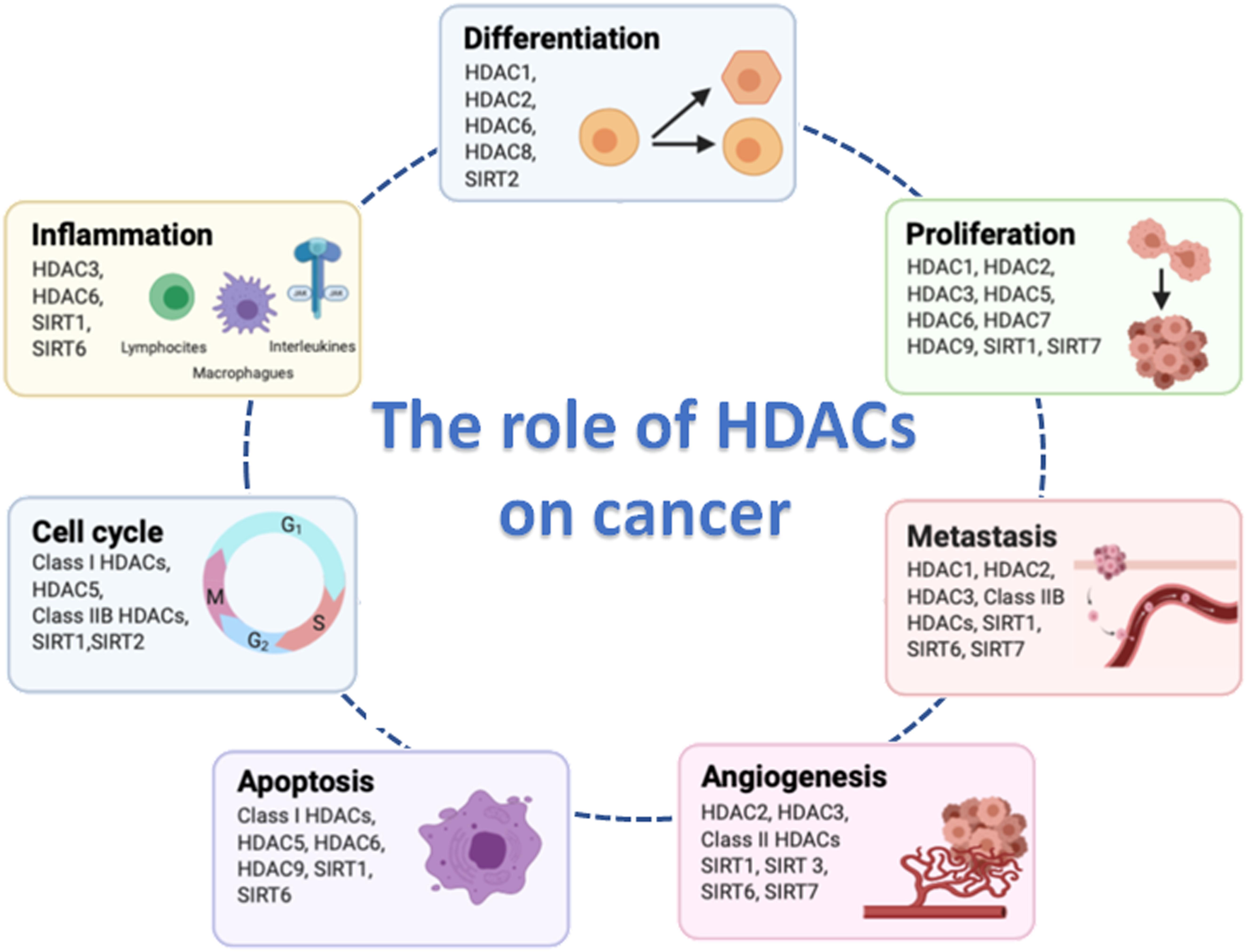
Rethinking Cancer Treatment: New Study Challenges Role of HDAC Inhibitors
Recent research has cast doubt on the long-held understanding of how histone deacetylase (HDAC) inhibitors function in cancer therapy, prompting a reevaluation of their therapeutic potential. The findings, published in a leading scientific journal, suggest that these drugs may operate through mechanisms distinct from their previously assumed targets, potentially reshaping future approaches to cancer treatment.
The Science Behind HDAC Inhibitors
HDAC inhibitors have been a cornerstone of cancer research for decades, primarily due to their ability to influence gene expression by altering the structure of chromatin. These enzymes, which remove acetyl groups from histone proteins, play a critical role in regulating DNA accessibility. By inhibiting HDAC activity, scientists hypothesized that these drugs could reactivate tumor-suppressing genes and halt cancer progression.

Traditionally, HDAC inhibitors were thought to target the enzymatic activity of HDACs directly, making them a promising class of compounds for epigenetic therapy. However, emerging evidence now suggests that their effects may be more complex, involving pathways beyond simple histone modification.
A New Perspective from Recent Research
A groundbreaking study published in a peer-reviewed journal challenges the assumption that HDAC inhibition is the primary mechanism behind the drugs’ anticancer effects. Researchers found that certain HDAC inhibitors exert their influence through alternative pathways, including interactions with non-histone proteins and modulation of cellular metabolism. This revelation has sparked debates about the accuracy of existing models and the need for revised therapeutic strategies.
The study, which combined molecular profiling and in vivo experiments, revealed that some HDAC inhibitors were effective in cancer models even when their primary target (HDAC activity) was not inhibited. This indicates that the drugs may have off-target effects or act through secondary mechanisms that were previously overlooked.
Key Findings of the Study
- HDAC inhibitors demonstrated anticancer activity independent of their effect on histone deacetylase enzymes.
- Alternative molecular pathways, such as protein acetylation and metabolic reprogramming, were identified as potential targets.
- Some compounds showed efficacy in resistant cancer models where traditional HDAC inhibition was ineffective.
Implications for Cancer Therapy
The study’s findings have significant implications for the development of new cancer treatments. If HDAC inhibitors operate through multiple mechanisms, their therapeutic potential may be broader than previously recognized. However, this also raises concerns about the accuracy of current drug design strategies, which often focus on a single target.
Experts in the field emphasize the need for a more nuanced understanding of these drugs. “This research underscores the complexity of epigenetic regulation and highlights the importance of exploring non-traditional targets,” said a researcher involved in the study. “We must rethink how we approach drug development to maximize efficacy and minimize side effects.”
Challenges and Opportunities
The shift in understanding presents both challenges and opportunities for the pharmaceutical industry and clinical researchers. Developing drugs that target multiple pathways could lead to more effective therapies, but it also requires a deeper exploration of cellular biology. Additionally, the study raises questions about the interpretation of previous clinical trials, which may have attributed outcomes to HDAC inhibition when other factors were at play.
One of the key challenges is identifying which patients are most likely to benefit from HDAC inhibitors. If the drugs act through multiple mechanisms, treatment responses may vary widely depending on individual tumor biology. This variability could necessitate personalized approaches to cancer care, where therapies are tailored to specific molecular profiles.
Expert Reactions and Future Directions
The scientific community has responded with a mix of excitement and caution. While many acknowledge the study’s potential to advance cancer research, others caution against overinterpreting the results. “These findings are a valuable step forward, but they require further validation in human trials,” said a cancer biologist not involved in the study
