
Hepatitis B is a viral infection in Guinea that spreads through blood, sexual contact, and from mother to child during birth. According to Dr. Édouard Tolno, the disease is often asymptomatic, which can lead to undetected chronic infections that potentially result in liver cirrhosis or liver cancer.
- Transmission: Occurs via blood-to-blood contact, unprotected sex, and vertical transmission from mother to child.
- Symptom Profile: The virus is frequently “silent,” though some patients experience jaundice, fatigue, and dark urine.
- Long-term Risks: Chronic infection can progress to liver cirrhosis and hepatocellular carcinoma (liver cancer).
- Primary Prevention: Vaccination and systematic screening are the most effective tools for control.
How Hepatitis B Spreads
The transmission of the Hepatitis B virus occurs primarily through the exchange of infected bodily fluids. Dr. Édouard Tolno identifies blood-to-blood contact as a major pathway, which includes the sharing of sharp objects such as razors, needles, or toothbrushes.
Sexual transmission is also a significant factor, occurring during unprotected intercourse. Furthermore, the virus can be passed from a mother to her infant during childbirth, a process known as vertical transmission.
The Danger of a “Silent” Infection
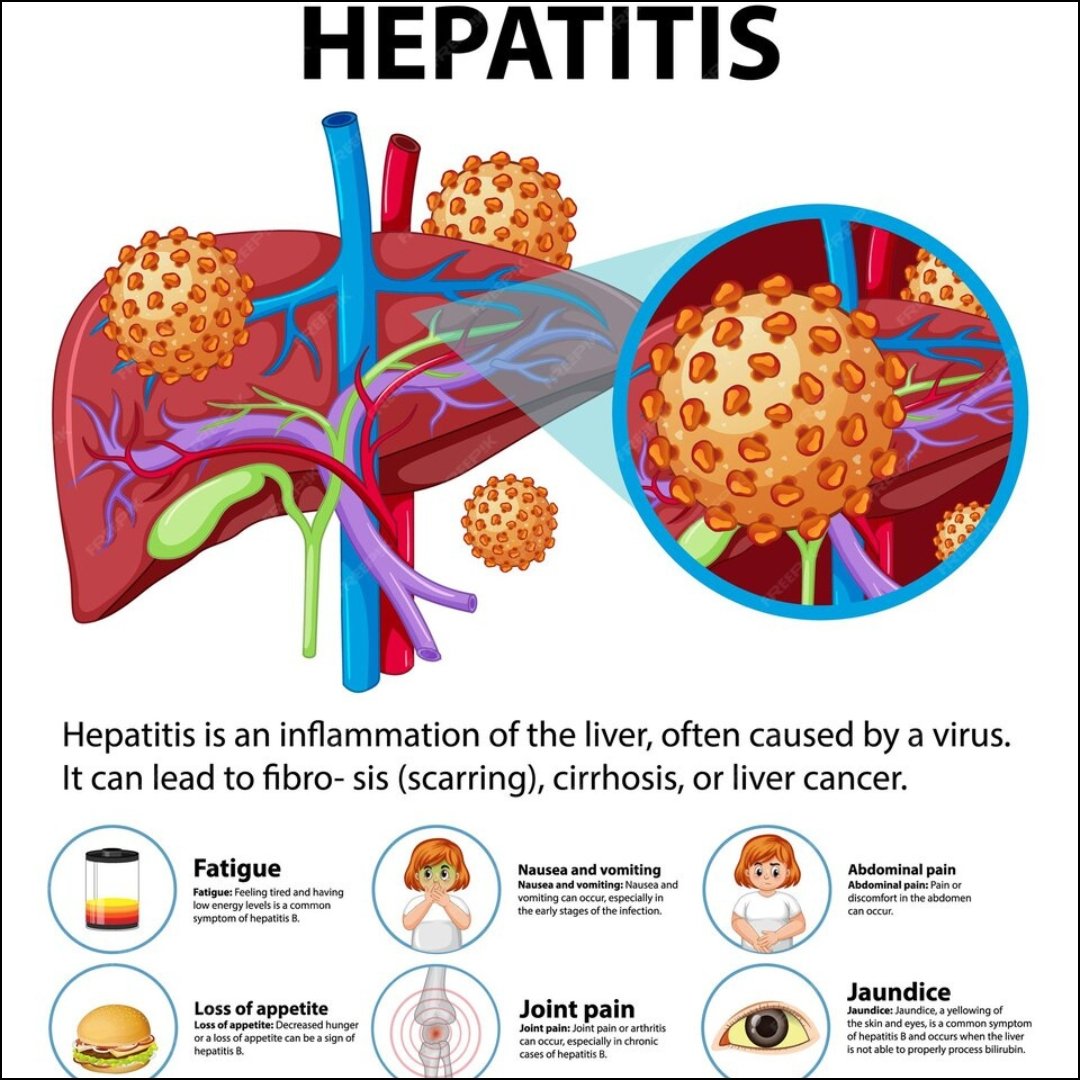
One of the most challenging aspects of Hepatitis B is its tendency to remain asymptomatic. Many infected individuals do not experience immediate symptoms, meaning the virus can damage the liver for years without detection.
When symptoms do manifest, according to Dr. Tolno, they may include:
- Jaundice: A yellowing of the skin and the whites of the eyes.
- Physical Fatigue: General exhaustion and lack of energy.
- Digestive Issues: Nausea and abdominal pain.
- Urinary Changes: The appearance of dark-colored urine.
Long-term Complications and Liver Health
If the infection becomes chronic, the risks to the patient increase significantly. The virus can cause persistent inflammation of the liver, leading to cirrhosis, where healthy liver tissue is replaced by scar tissue.
Dr. Tolno warns that this progression does not stop at scarring; chronic Hepatitis B is a primary driver for the development of hepatocellular carcinoma, a severe form of liver cancer.
Preventative Measures and Vaccination
Public health efforts to combat the virus focus on a combination of immunization and behavioral changes. Dr. Tolno emphasizes that vaccination is the most effective method for preventing the infection.
Beyond the vaccine, other critical preventative strategies include:
- Regular Screening: Testing to identify asymptomatic carriers.
- Safe Practices: Using condoms during sexual activity to reduce transmission risks.
- Hygiene and Sterilization: Avoiding the sharing of personal cutting tools and ensuring the strict sterilization of medical equipment.
