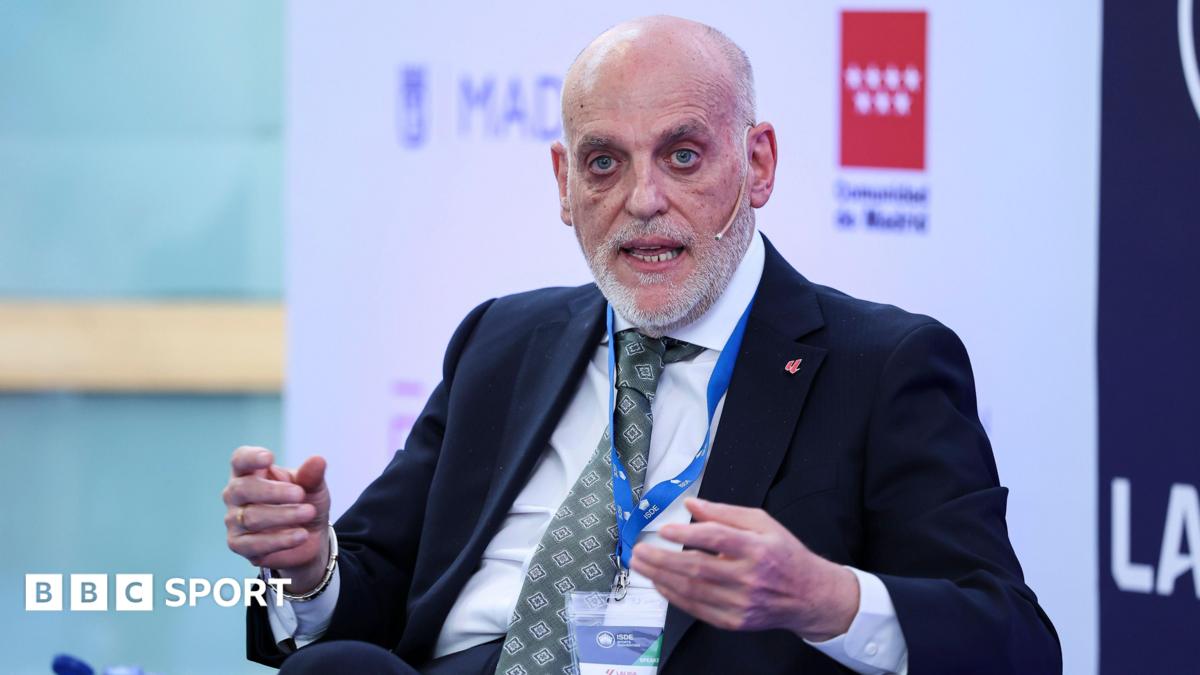
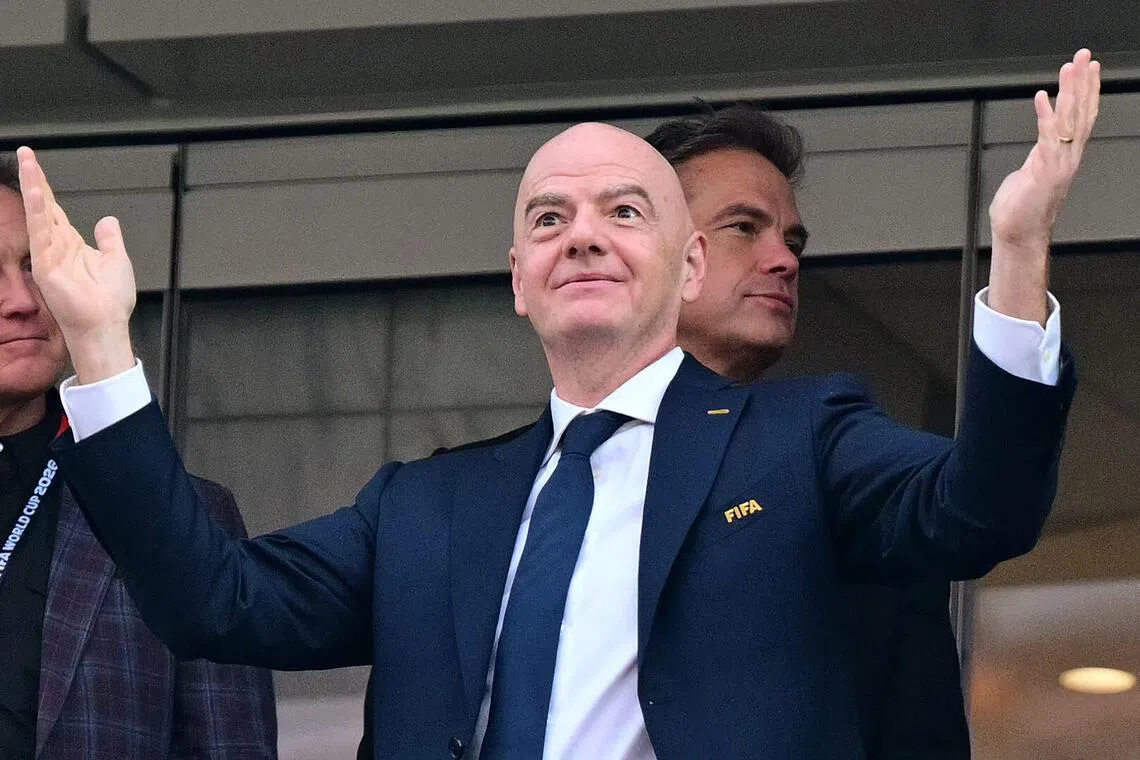
La Liga president Javier Tebas calls for Gianni Infantino to resign
A geopolitical deadlock has emerged in world football as European associations threaten boycotts over allegations of institutional misconduct and unilateral financial decisions by FIFA leadership.
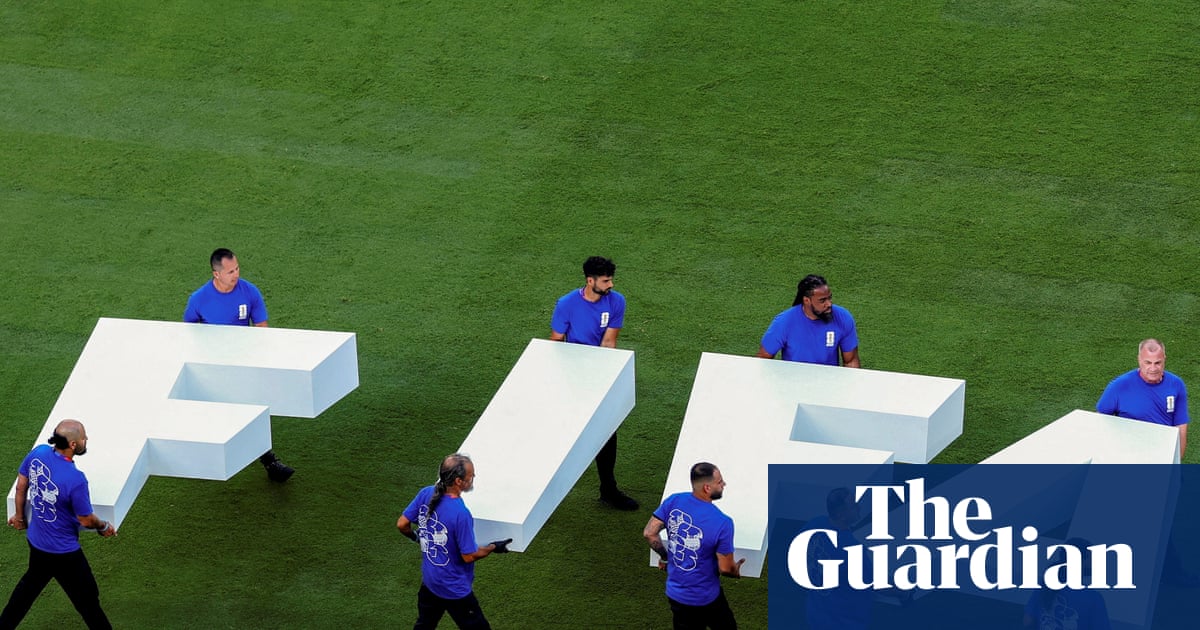
The leadership of world football has split into a geopolitical deadlock, as European officials and national leagues lead a coordinated effort to unseat FIFA president Gianni Infantino. While UEFA, the Norwegian FA, and several other European associations have withdrawn their support or called for his resignation, FIFA maintains that Infantino possesses a democratic mandate from its global member associations.
The tension reached a new peak on 10 August 2026, when Javier Tebas, president of Spain's La Liga, declared that the Infantino era is over
. Speaking to the French newspaper Le Monde, Tebas argued that the current regime is destroying the very essence of the sport: the national leagues
, claiming that FIFA's projects prioritize a narrow elite over the broader footballing structure.
Related YouTube video
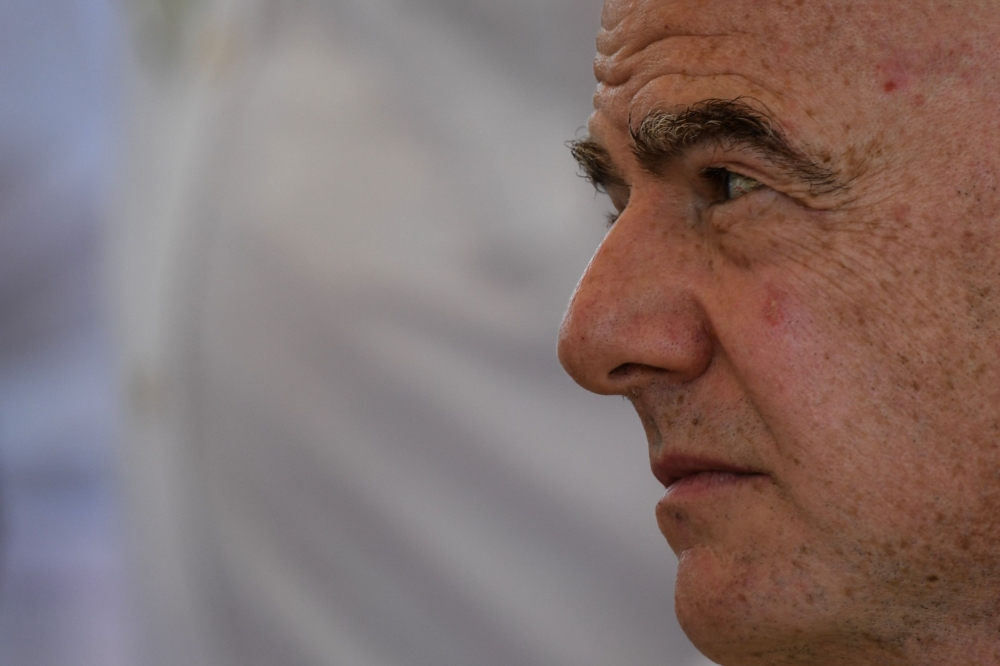

This revolt follows a series of governance scandals, most notably a failed initiative by Infantino to seek private investment for a company to run FIFA competitions and sell stakes in the World Cup to private investors. Although FIFA later announced it will not proceed
with these plans and Infantino issued an apology to national associations, the episode triggered threats of a World Cup boycott from UEFA and formal calls for resignation from the English and Welsh football associations.
The conflict has expanded beyond commercial disputes into allegations of personal and institutional misconduct. UEFA recently confirmed that a departure payment
was made to a female employee who is alleged to have been in a relationship with Infantino during his time as the organization's general secretary over a decade ago. According to reporting by The Telegraph, this payout exceeded £150,000 and included tuition fees for an MBA at a business school. The payment allegedly followed a £25,000 pay rise after the woman was promoted from an administrative to a management role. Infantino has dismissed these claims as categorically untrue
.
For Javier Tebas, these scandals are not isolated incidents but evidence of a systemic failure. He described the current unrest as the tip of the iceberg
of an institution lacking real governance policies. Tebas specifically linked Infantino to the "Super League episode," claiming the FIFA president appeared in the working documents of the league's promoters and that some of the same actors are now involved in the "FIFA Forward Enterprise" project.
The internal crisis is further complicated by a sharp divide between European and non-European football powers:
- The Opposition: UEFA, the Norwegian FA, the English FA, and the Welsh FA have called for Infantino to stand down or withdrawn their endorsements. UEFA has suggested a boycott of all FIFA tournaments remains a possibility, including the women's Under-20 World Cup starting 5 September.
- The Support: Infantino maintains strong backing from South American and African federations, including the Conmebol federation and the associations of World Cup co-host Mexico and finalists Argentina.
This governance struggle has now attracted the attention of former FIFA ethics chief Hans-Joachim Eckert. The German judge, who presided over the 2015 corruption scandal that ousted Sepp Blatter, warned that Infantino risks entering the realm of potentially criminal activity
if he has made unilateral financial decisions without consulting the FIFA council, finance committee, and compliance committee. Eckert pointed to the awarding of the inaugural FIFA Peace Prize to Donald Trump as a matter requiring investigation to determine if the decision was made above board or unilaterally.
FIFA has countered these attacks by framing the opposition as a political maneuver to bypass the established electoral process. In a statement released Saturday night, FIFA accused critics of using allegation, insinuation or misinformation
to achieve what they cannot through democratic means, asserting that the president continues to serve with the mandate of the member associations.
The resolution of this power struggle rests on the presidential election scheduled for March. To retain his position, Infantino must secure the support of 106 of the 211 member associations, a threshold that appears increasingly uncertain as the European boycott threats and ethics allegations persist.
Institutional Friction and Governance Failures
The conflict extends beyond leadership disputes to specific operational grievances. Javier Tebas highlighted the organization of the Club World Cup, noting that decisions were made without key stakeholders in football – the leagues – even being informed. This lack of consultation, according to Tebas, has been a consistent management style for years.
Further scrutiny has fallen on the "FIFA Forward Enterprise" project. Tebas alleged that this project involves some of the same actors from that time are now involved in the FIFA Forward Enterprise project, a claim he connects to the discovery of Infantino's name in the working documents of the league's promoters.
These investigations are bolstered by the warnings of Hans-Joachim Eckert, who noted that UEFA is demanding through legal means that no evidence is destroyed. Eckert argued that the FIFA statutes do not provide for an absolute ruler
and that the president cannot make decisions about money unilaterally. He specifically questioned the costs and funding behind the golden trophy commissioned for the FIFA Peace Prize.
While the opposition mounts in Europe, Infantino has focused on his power bases in Africa and South America. He spent the weekend in Cali attending the inauguration of Colombia's new president, Abelardo de la Espriella, an event he documented on his Instagram page. This strategic visibility coincides with the support of the Conmebol federation and the associations of Argentina and Mexico.
The path to resolution remains tied to the democratic calendar. FIFA continues to insist that any attempt to remove the president outside of the established statutes is an attempt to bypass democratic processes. For the opposition, the next step is the presidential election in March, where Infantino needs the support of 106 of the 211 associations to win the election.
How significant is this development?
Contribute your assessment to the aggregated reader intelligence ledger.
Archypedia is dedicated to independent, evidence-backed reporting. This briefing was synthesized from primary source reporting, corroborated across independent newsrooms, and verified against our Editorial Standards.
Transparency record
Evidence behind this report
This report synthesizes 5 distinct sources. Open the source ledger below to compare the underlying coverage.
Prepared under the Archypedia Editorial Policy by the Rafael Ortega editorial desk profile. AI-assisted tools may support drafting and verification; public accountability remains with Archypedia. Report an error.