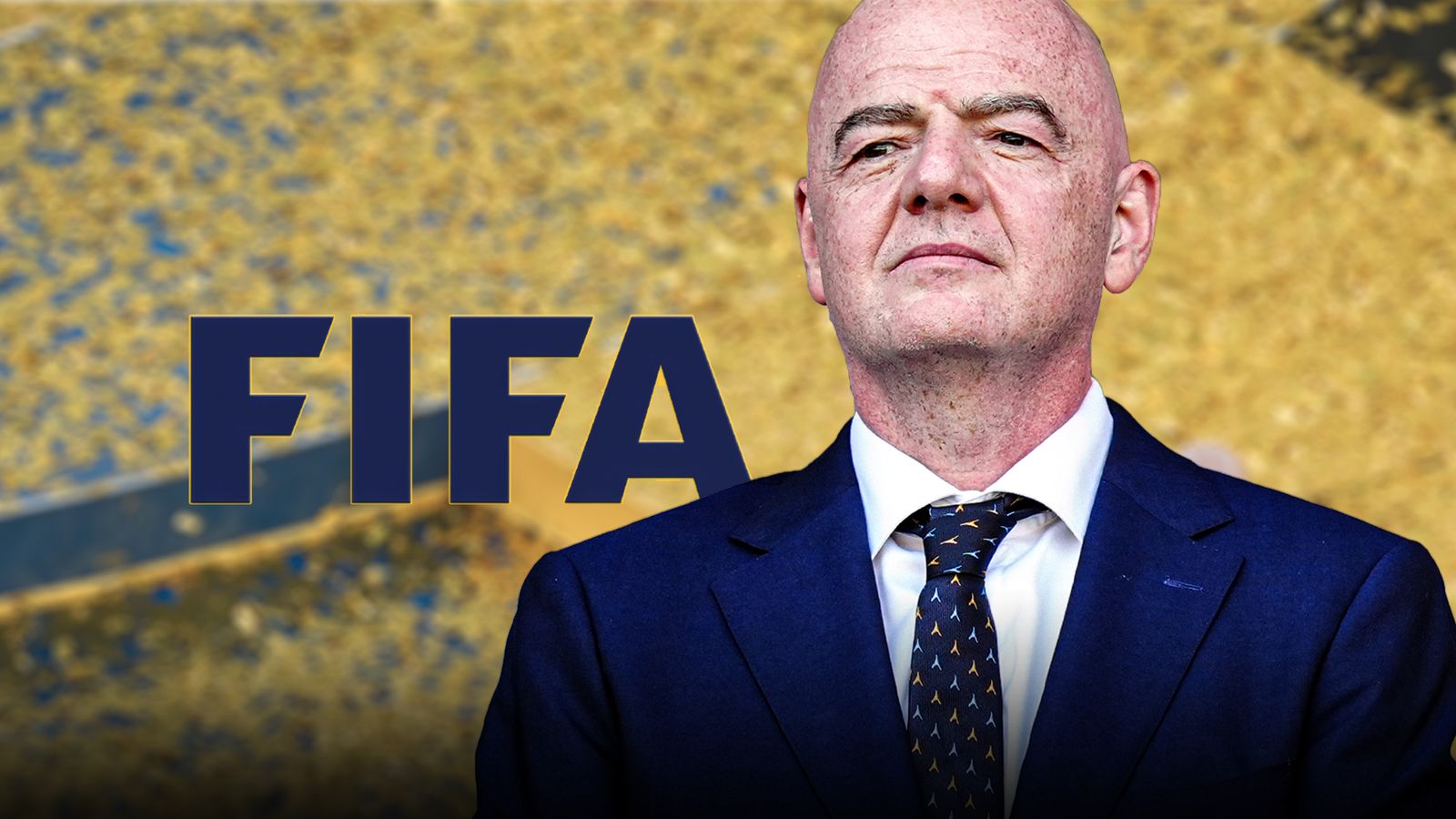
FIFA chief Gianni Infantino’s plan to juice football could lead to his downfall
The collapse of a multi-billion-dollar commercial spin-off plan has triggered a rolling wave of defections among national football associations, threatening Gianni Infantino's presidency.
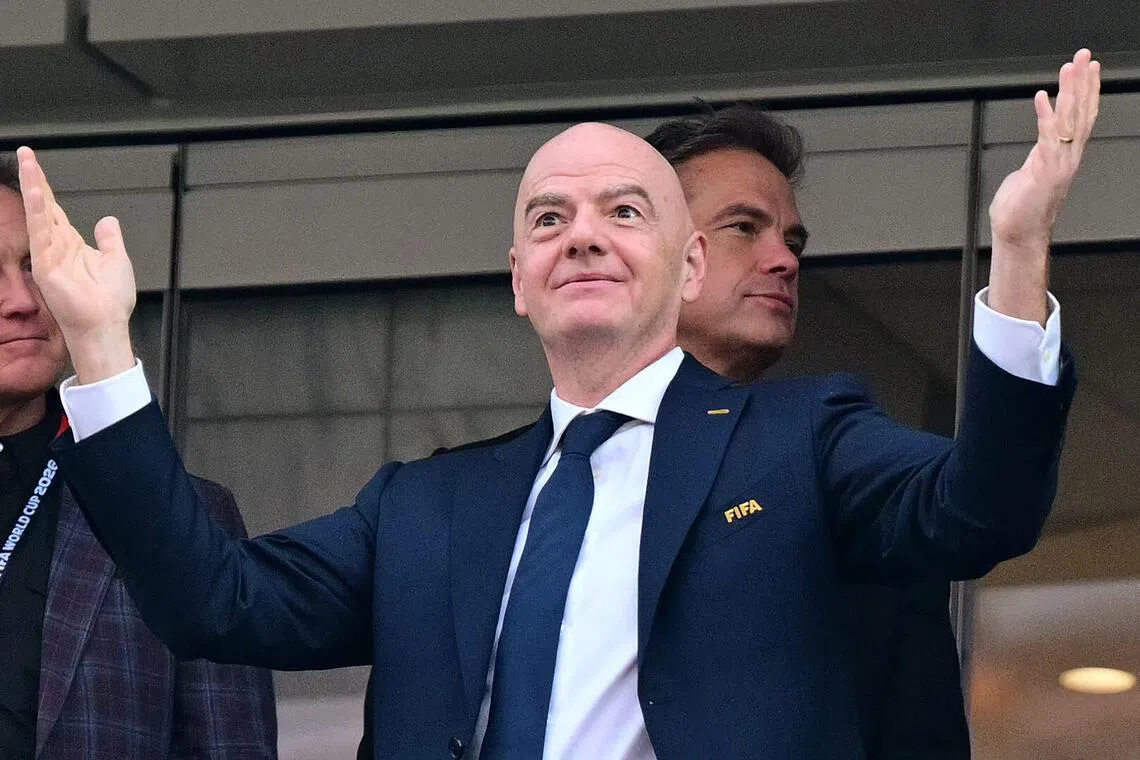
The swift fracture of international football authorities following the collapse of a multi-billion-dollar commercial spin-off plan has thrown FIFA President Gianni Infantino’s previously certain re-election into profound jeopardy, exposing deep geopolitical fault lines across the sport.
For a decade, Infantino’s leadership appeared unassailable. Having secured prior terms unopposed following his succession in 2016, the 56-year-old entered the period with endorsements from more than 200 member associations and having recently overseen the largest-ever World Cup, jointly hosted by Canada, the United States, and Mexico. That domestic-stage success concluded on July 19, 2026, when Spain defeated Argentina 1-0 in the final at MetLife Stadium in East Rutherford, New Jersey, according to Theglobeandmail. Yet within weeks of the tournament's conclusion, an aggressive attempt to monetise the sport's marquee competitions upended Infantino's political standing and ignited open rebellion among key member federations, as reported by Straitstimes.
Related YouTube video
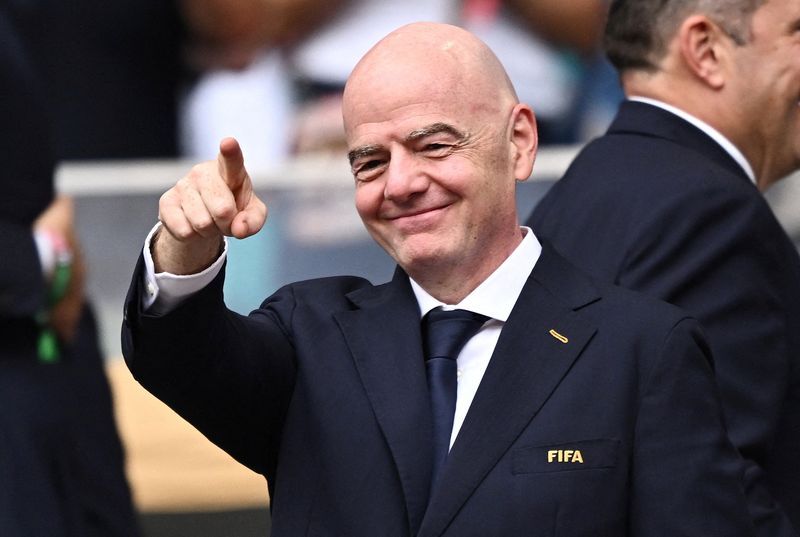
At the center of the crisis is the abandoned FIFA Forward Enterprise plan. As outlined by Tbsnews and Thestar, the initiative sought to unlock up to $4.2 billion by selling roughly a 20 percent stake in a newly created commercial entity overseeing major tournaments — including the men's and women's World Cups and the Club World Cup. The proposal drew immediate criticism for involving JPMorgan Chase & Co. And Thrive Capital, an investment firm founded by Joshua Kushner, the brother of U.S. President Donald Trump’s son-in-law. Faced with fierce stakeholder resistance and an intense public backlash, FIFA retreated and shelved the venture on a Friday.
The fallout has triggered a rolling wave of defections among national football associations. Wales became the first national body to formally withdraw its backing for Infantino's 2027 to 2031 re-election bid, citing recurring shortcomings in governance, leadership, and sound judgment. England's Football Association is expected to follow suit, while the national federations of Serbia, Sweden, and Finland also rescinded their support, according to reporting by Reuters and the Press Association cited by Straitstimes and Thestar. The Football Association of Serbia stated in a Monday release that the failed strategy had seriously damaged the reputation and credibility of both FIFA and its president, emphasizing that future leadership must be founded on transparency, dialogue, mutual respect, and partner relations. At an extraordinary board meeting on Monday, the Swedish Football Association similarly chose not to support the president after a long-term assessment of leadership and governance.
Regional power blocs have similarly splintered. European football governing body UEFA and CONCACAF declared they had lost confidence in Infantino’s leadership, with UEFA issuing a document preservation order to prevent the destruction of emails, files, or data in anticipation of an investigation, as reported by Thestar. The Norwegian Football Association condemned the strategy for putting the framework of international cooperation at risk in pursuit of individual interests. Simultaneously, internal dissent broke out at FIFA headquarters: Chief Operating Officer Kevin Lamour stated on July 31 that staff members felt deceived by the plan, and senior adviser Carlos Cordeiro resigned in opposition, according to Straitstimes.
Conversely, Infantino retains substantial backing outside of Europe. Federations in Qatar, Kuwait, Sri Lanka, Lebanon, Morocco — one of the hosts for upcoming tournament cycles, and Egypt have issued supportive statements. Qatar Football Association President Sheikh Hamad Khalifa Ahmed Al Thani praised the decision to prioritize unity while affirming continued support for Infantino’s global growth efforts. Furthermore, while the Asian Football Confederation condemned the business plan, it stopped short of demanding new leadership.
Amid reports from Thestar and Tbsnews citing the New York Post that an isolated Infantino had repeatedly attempted to reach Donald Trump by phone and had arranged a private meeting with U.S. Secretary of State Marco Rubio to secure political backing, the U.S. Government issued direct public contradictions. U.S. Assistant Secretary of State for Global Public Affairs Dylan Johnson wrote on X that there were "no plans" for Rubio to speak with Infantino and that no call was scheduled, directly refuting the claims, as noted by sports.yahoo.com and Tbsnews.
While no potential challengers have formally declared their candidacy, industry observers have pointed to Asian Football Confederation President Sheikh Salman Ibrahim Al Khalifa, CONCACAF chief Victor Montagliani, and FIFA Secretary-General Mattias Grafstrom as possible rivals for the upcoming vote.
Key Stakeholder Positions on the FIFA Commercial Crisis
- UEFA and CONCACAF: Formally declared a loss of confidence in Infantino's leadership, with UEFA issuing a document preservation order anticipating an investigation.
- National Associations (Wales, Serbia, Sweden, Finland, England): Withdrew support for Infantino's 2027–2031 re-election bid due to governance failures and reputational damage.
- Middle Eastern and African Federations: Qatar, Kuwait, Sri Lanka, Lebanon, Morocco, and Egypt maintained their backing, praising leadership for prioritizing unity.
Whether this erosion of support will result in an early ouster depends entirely on procedural thresholds governed by FIFA statutes. Under current rules, one-fifth of FIFA's 211 member associations can collectively compel the scheduling of an Extraordinary Congress. With UEFA alone commanding 55 member nations, European leadership holds more than the required number to trigger such a convention before the scheduled annual vote in Rabat, Morocco, in March.
How significant is this development?
Contribute your assessment to the aggregated reader intelligence ledger.
Archypedia is dedicated to independent, evidence-backed reporting. This briefing was synthesized from primary source reporting, corroborated across independent newsrooms, and verified against our Editorial Standards.
Transparency record
Evidence behind this report
This report synthesizes 5 distinct sources. Open the source ledger below to compare the underlying coverage.
Prepared under the Archypedia Editorial Policy by the Rafael Ortega editorial desk profile. AI-assisted tools may support drafting and verification; public accountability remains with Archypedia. Report an error.