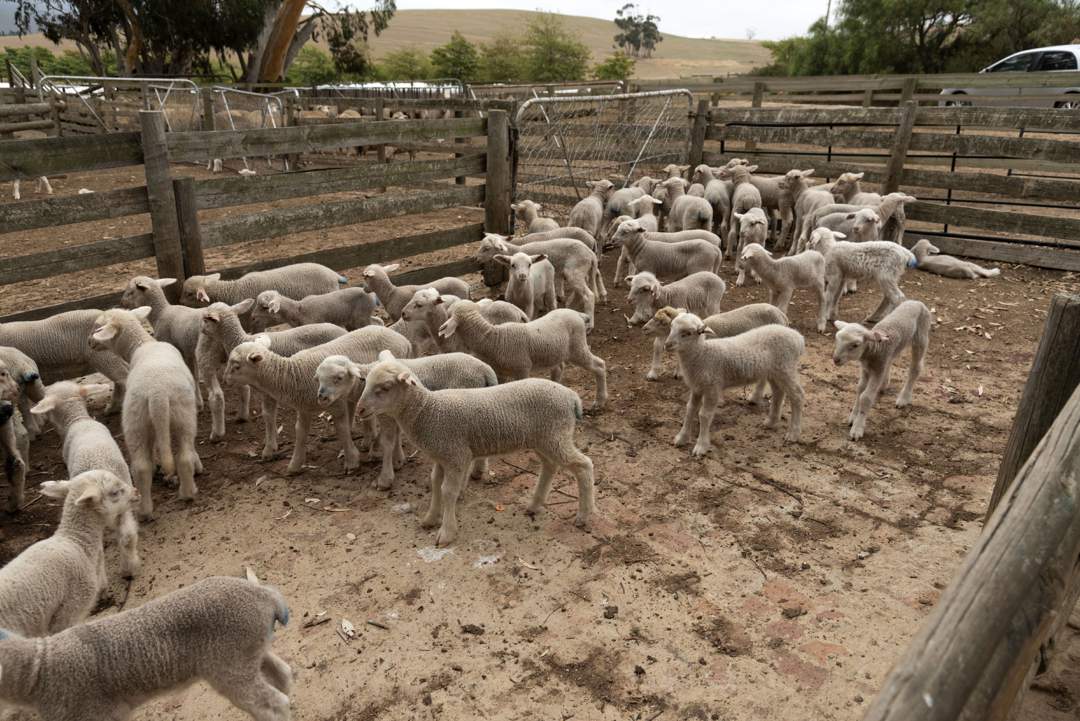
South African Lamb Exporters Lose R1.5bn as Government Delays Health Certifications
South African lamb exporters have lost approximately R1.5 billion in revenue because the government has delayed the issuance of essential health certifications required by key Middle Eastern markets. According to reports from News24 and IOL, these administrative bottlenecks have blocked access to high-demand regions, creating a financial crisis for the livestock export sector.
Why Government Certification Delays Cost Exporters R1.5 Billion
The financial loss of R1.5 billion stems from a breakdown in the administrative pipeline required to move meat from South African farms to international ports. According to News24, the loss is directly tied to the government’s failure to provide the health certifications that importing nations demand to ensure food safety and disease control.
Health certifications act as a regulatory passport for livestock products. Without these documents, customs officials in destination countries—particularly in the Middle East—are legally prohibited from clearing shipments. When certifications are delayed, shipments either sit in ports where the meat spoils or are cancelled entirely, leading to immediate revenue loss and long-term contract breaches.
BusinessTech reports that one of South Africa’s high-demand markets is currently in “serious trouble” due to these delays. The impact is not limited to the large-scale exporters but ripples down to the commercial farmers who produce the livestock, as the lack of export outlets creates a domestic surplus that drives down local prices.
| Impact Area | Primary Consequence | Source of Data |
|---|---|---|
| Financial Loss | R1.5 billion in lost export revenue | News24 / IOL |
| Market Access | Blockage of key Middle East trade routes | IOL |
| Industry Status | High-demand markets in “serious trouble” | BusinessTech |
The Role of the Middle East in South African Lamb Trade
The Middle East represents a critical strategic pillar for South African agriculture. According to IOL, the blockage of these markets is particularly damaging because of the high volume and premium pricing associated with lamb and mutton in these regions.
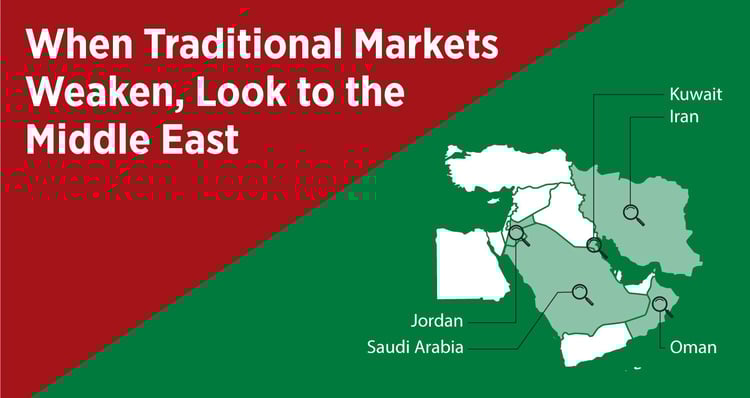
Demand in the Middle East is often driven by cultural preferences and religious observances, such as Eid al-Adha, where the demand for sheep and goat meat peaks globally. When South African exporters are locked out of these markets during peak demand windows, they cannot simply pivot to other regions, as different markets have different health and Halal certification requirements.
The Certification Process and the Bottleneck
For meat to enter a Middle Eastern market, the South African government must certify that the animals were raised and slaughtered under specific health and sanitary conditions. This process typically involves:
- Veterinary Inspection: Verification that the livestock are free from specific diseases.
- Sanitary Certification: Proof that the processing plants meet international hygiene standards.
- Official Endorsement: A government stamp or digital signature that validates the documents for the importing country’s customs.
The current crisis, as reported by News24, is not a result of a disease outbreak or a failure in farming standards, but rather a failure in the issuance of the paperwork. The “delay” mentioned in reports indicates an administrative failure within the relevant government departments responsible for veterinary and trade certifications.
“South Africa loses R1.5bn in lamb exports as key Middle East markets remain blocked.” — IOL
Economic Implications for the Agricultural Sector
The loss of R1.5 billion is a significant blow to the agricultural GDP. When exporters lose access to foreign currency earnings, the entire value chain suffers. This includes the feed suppliers, transport companies, and the farmers themselves.
Industry analysts suggest that such delays create a “trust deficit” with international buyers. According to the framing of the reports from BusinessTech and News24, the danger extends beyond the immediate financial loss. If Middle Eastern importers cannot rely on South Africa for timely deliveries due to government inefficiency, they will establish long-term contracts with competitors, such as Australia or New Zealand.
Short-term vs. Long-term Damage
- Short-term: Immediate loss of R1.5 billion; spoilage of perishable goods; breach of delivery contracts.
- Long-term: Loss of market share; diminished reputation of South African veterinary services; decreased investment in lamb production.
For more context on how trade barriers affect the economy, see a related explainer on South African trade deficits.

Comparing Media Reports on the Crisis
While News24, IOL, and BusinessTech all agree on the core fact of the R1.5 billion loss, their framing of the story varies slightly, highlighting different aspects of the crisis.
News24 focuses heavily on the government’s administrative failure, positioning the delays in health certifications as the primary catalyst for the loss. IOL emphasizes the geographic impact, specifically highlighting that the “key Middle East markets” are the ones remaining blocked, which underscores the strategic loss of these specific trade corridors.
BusinessTech takes a more market-centric approach, describing the situation as a “high-demand market in serious trouble.” This framing suggests that the crisis is not just a loss of money, but a systemic threat to the viability of the lamb export industry as a whole.
Common Misconceptions Regarding Export Blockages
There is often a misconception that when exports are “blocked,” it is due to a disease outbreak, such as Foot and Mouth Disease (FMD). However, in this specific instance, the reports from News24 and IOL indicate that the issue is administrative, not biological.
A biological blockage happens when a country bans imports because of a health risk. An administrative blockage, as seen here, happens when the product is safe, but the government fails to provide the legal proof (the certification) required to let the product across the border. This distinction is critical because administrative failures are entirely within the government’s power to fix immediately, whereas biological blockages require years of veterinary intervention and monitoring.
Potential Recovery and Market Stability
To recover the lost R1.5 billion and prevent further hemorrhaging of revenue, the government must streamline the certification process. Industry stakeholders are calling for the digitization of health certificates to remove the human bottleneck and reduce the turnaround time for endorsements.
The restoration of access to the Middle East will require more than just the issuance of delayed papers; it will require diplomatic assurance that the South African certification system is reliable. If the government can implement a fail-safe system for health certifications, exporters may be able to recapture lost market share, though the R1.5 billion already lost is unrecoverable.
For further reading on agricultural policy, check out a related report on livestock export regulations.
Frequently Asked Questions
What are health certifications in lamb exports?
Health certifications are official documents issued by a government’s veterinary or agricultural department. They certify that the exported meat meets the health, safety, and sanitary requirements of the importing country, ensuring the product is free from disease and fit for human consumption.
Why are the Middle East markets so important for South African lamb?
Middle Eastern countries have a high demand for lamb and mutton due to dietary preferences and religious requirements. These markets often pay premium prices, making them some of the most lucrative destinations for South African livestock exporters.
Is the R1.5 billion loss due to a disease outbreak?
No. According to reports from News24 and IOL, the loss is due to government delays in providing the necessary paperwork (health certifications), not because of any animal health crisis or disease outbreak.
Who is responsible for issuing these certifications?
The certifications are issued by the South African government, typically through the Department of Agriculture, Land Reform and Rural Development (DALRRD) or equivalent veterinary authorities.
What happens to the lamb that cannot be exported?
When exports are blocked, the meat is either diverted to the local South African market—which can lead to a price drop due to oversupply—or it spoils if it is already in the shipping process and cannot be cleared by customs.
