
Collagen, Peptides and Hyaluronic Acid: Do You Really Need These Supplements?
Whether collagen, peptides, and hyaluronic acid supplements are necessary depends on individual health goals and dietary gaps, though medical consensus remains divided on their efficacy. According to reports from Mint and NDTV, while some evidence suggests benefits for joint pain and skin elasticity, the body often breaks these supplements down into basic amino acids, potentially neutralizing their targeted effects.
The Biological Role of Collagen and Hyaluronic Acid
Collagen is the most abundant protein in the human body, acting as a primary structural component for skin, bones, tendons, and ligaments. As the body ages, natural collagen production declines, which contributes to skin sagging and joint degradation. Hyaluronic acid, conversely, is a glycosaminoglycan—a sugar molecule—that retains water to keep tissues lubricated and skin hydrated.
Peptides are shorter chains of amino acids created when collagen is broken down through a process called hydrolysis. Because whole collagen molecules are often too large for the gut to absorb efficiently, manufacturers produce “collagen peptides” or “hydrolyzed collagen” to increase bioavailability. According to industry analysis, these peptides are intended to signal the body to produce more of its own collagen, though the extent of this effect varies by individual.
The primary difference between these substances lies in their function: collagen provides the “scaffolding” or structure, while hyaluronic acid provides the “filler” or moisture. Vogue notes that while collagen focuses on firmness and structural integrity, hyaluronic acid is primarily utilized for immediate hydration and plumping of the skin.
Does Collagen Actually Work for Skin and Joints?
The efficacy of collagen supplements is a subject of significant debate among health professionals. A massive review cited by NDTV indicates that collagen supplementation can have a positive impact on joint pain and skin health. The review suggests that for individuals suffering from osteoarthritis or age-related skin thinning, these supplements may reduce inflammation and improve dermal density.
However, the biological pathway is complex. When a person ingests collagen, the digestive system breaks it down into amino acids. There is no guarantee that these amino acids will be transported specifically to the skin or joints; the body distributes them wherever they are most needed. This means a collagen supplement may simply act as a high-priced protein powder rather than a targeted beauty treatment.
Key findings regarding collagen efficacy include:
- Joint Support: Some evidence suggests a reduction in joint stiffness and pain in athletes and elderly populations.
- Skin Elasticity: Certain studies indicate an increase in skin hydration and a reduction in wrinkle depth.
- Bioavailability: Hydrolyzed peptides are absorbed more readily than non-hydrolyzed collagen.
Collagen vs. Hyaluronic Acid: Which is Better for Anti-Aging?
Choosing between collagen and hyaluronic acid depends on the specific aging concern being addressed. Vogue reports that these two ingredients target different mechanisms of skin aging.
Collagen is the target for those concerned with “slackness” or loss of firmness. Because collagen provides the structural framework, its decline leads to wrinkles and drooping. Hyaluronic acid is the preferred choice for those dealing with “dryness” or fine lines caused by dehydration. It can hold up to 1,000 times its weight in water, making it a powerful humectant.
| Feature | Collagen/Peptides | Hyaluronic Acid |
|---|---|---|
| Primary Function | Structural Support (Firmness) | Moisture Retention (Hydration) |
| Target Concern | Wrinkles, Sagging, Joint Pain | Dry Skin, Fine Lines, Dullness |
| Mechanism | Amino acid building blocks | Water-binding molecule |
| Best Delivery | Oral supplements / Powders | Topical serums / Injectables |
The Role of Peptides in Modern Supplementation
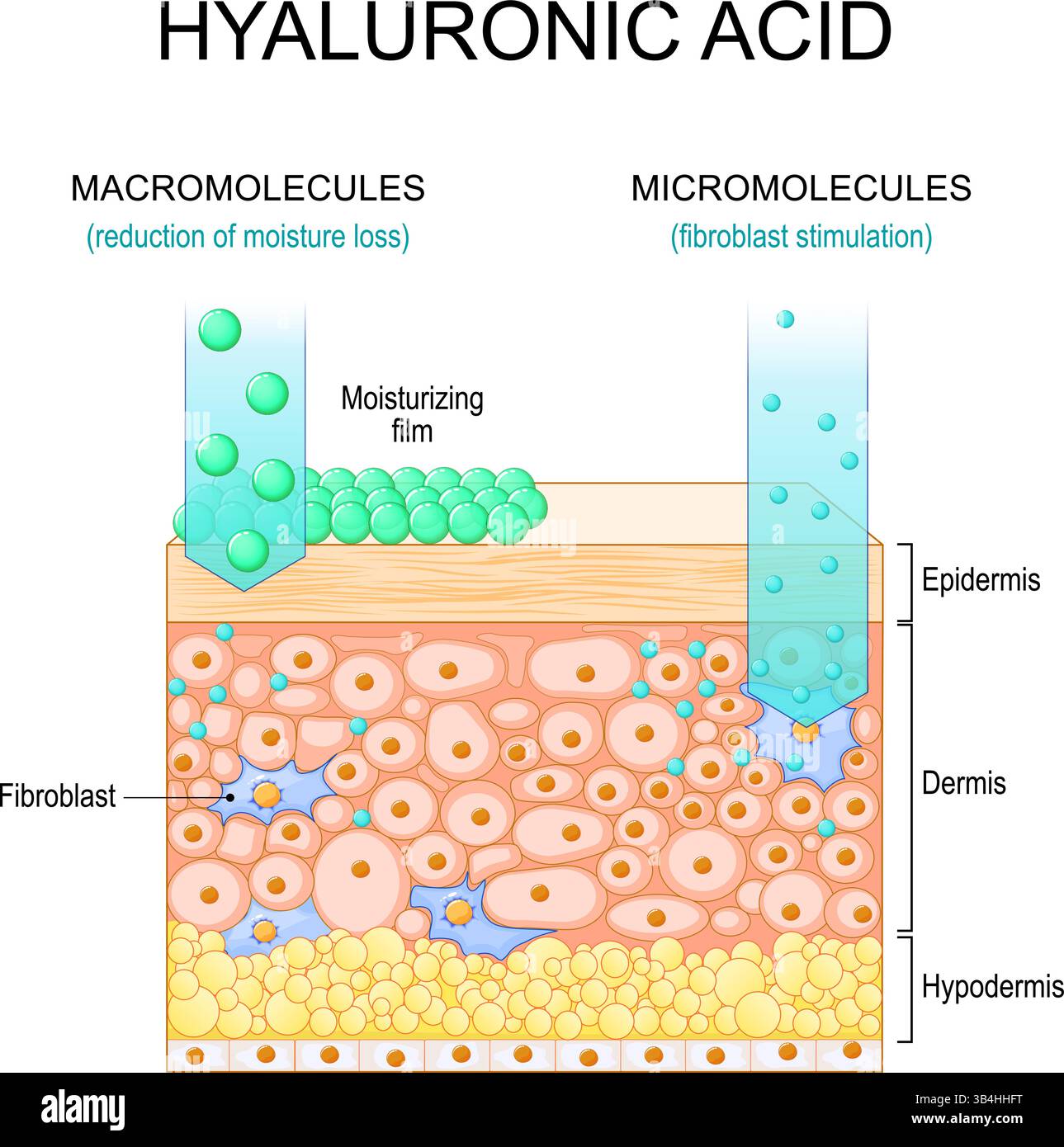
Peptides are often marketed as a more “advanced” version of collagen. While collagen is the full protein, peptides are the fragments. The theory behind peptide supplementation is that these fragments act as messengers, triggering fibroblasts—the cells responsible for collagen production—to increase their activity.
This distinction is critical because it addresses the absorption problem. Large collagen proteins are difficult for the body to process. By pre-breaking them into peptides, supplement companies claim to bypass the digestive struggle, allowing the active components to enter the bloodstream more quickly. Despite these claims, critics cited in Mint argue that the body’s natural digestive process performs this breakdown anyway, making the “hydrolyzed” label more of a marketing tool than a medical necessity.
Ingredients That Support Natural Collagen Production
Not all collagen support comes from direct supplementation. Vogue Adria highlights several skincare ingredients and nutrients that encourage the body to produce its own collagen, which may be more effective than ingesting external proteins.
Vitamin C is perhaps the most critical cofactor. Without Vitamin C, the body cannot chemically link the amino acids together to form a collagen helix. Therefore, taking collagen peptides without adequate Vitamin C intake may result in diminished returns.
Other supportive ingredients include:
- Retinoids: Topical Vitamin A derivatives that stimulate collagen synthesis and increase cell turnover.
- Copper Peptides: Ingredients that help in the remodeling of skin tissue and the breakdown of abnormal collagen.
- Zinc and Manganese: Essential minerals that support the enzymatic reactions required for protein synthesis.
- Amino Acids (Proline and Glycine): The raw materials the body uses to build collagen naturally.
For those looking to avoid supplements, a diet rich in bone broth, citrus fruits, leafy greens, and lean proteins provides the necessary building blocks for the body to maintain its own structural integrity.
Market Trends and the “2026” Supplement Outlook
The supplement industry is moving toward hyper-personalization. Rolling Stone notes that the trajectory for collagen supplements leading into 2026 involves a shift toward “clean label” products and targeted delivery systems. This includes the rise of marine collagen, which is often touted as having superior absorption rates compared to bovine or porcine sources due to smaller particle sizes.

There is also an increasing trend toward combining collagen with other “beauty-from-within” ingredients, such as biotin and ceramides, to create all-in-one anti-aging cocktails. However, this bundling often obscures the actual dosage of the active ingredients, making it difficult for consumers to determine if they are receiving a therapeutic dose or a negligible amount.
The economic drive behind these supplements is significant. The global collagen market continues to expand as the “wellness” industry pivots toward preventative aging. This has led to a surge in products targeting younger demographics—people in their 20s and 30s—who are beginning “preventative” collagen regimens long before their natural production actually drops.
Critical Analysis: Do You Really Need These Supplements?
When analyzing the data from Mint and other health reports, the answer to whether these supplements are “needed” is generally no for the average healthy adult with a balanced diet. For most people, the body is highly efficient at synthesizing its own collagen and hyaluronic acid from the proteins and sugars found in whole foods.
However, there are specific scenarios where these supplements may provide a measurable advantage:
- Post-Surgical Recovery: Increased amino acid availability may support tissue repair.
- Severe Joint Degeneration: As noted by NDTV, those with chronic joint pain may find relief through hydrolyzed collagen.
- Advanced Age: In elderly populations where protein absorption is compromised and natural production has plummeted, supplementation may bridge the gap.
- Specific Dietary Restrictions: Individuals who cannot consume traditional collagen sources (like meat or fish) may benefit from specialized peptides.
The risk of these supplements is generally low, but they are not without drawbacks. The primary concern is cost. Many high-end collagen powders are priced as premium beauty products, yet they provide the same amino acids as a piece of chicken or a bowl of legumes. Additionally, some consumers report digestive bloating when taking high doses of collagen peptides.
“The fundamental question isn’t whether collagen is good for the body—it is essential—but whether eating it in supplement form is the most efficient way to deliver it to the skin and joints.”
To maximize results, experts suggest a multi-pronged approach: prioritize a protein-rich diet, incorporate Vitamin C, use topical retinoids for skin structure, and use hyaluronic acid serums for surface hydration. Supplements should be viewed as a secondary support system rather than a primary solution.
For those considering these products, it is advisable to check for third-party testing labels (such as NSF or USP) to ensure the product actually contains the amount of peptides claimed on the label, as the supplement industry is notoriously under-regulated.
Frequently Asked Questions
What is the difference between collagen and collagen peptides?
Collagen is the full-length protein found in connective tissues. Collagen peptides are hydrolyzed versions of that protein, meaning they have been broken down into smaller chains of amino acids. These peptides are easier for the body to absorb and transport through the bloodstream.
Can I get enough collagen from my diet alone?
Yes. By consuming a variety of proteins (meat, fish, eggs, beans) and supporting them with Vitamin C (citrus, peppers, berries), your body has the necessary tools to manufacture its own collagen. Bone broth is a direct dietary source of collagen.
Is hyaluronic acid better as a supplement or a cream?
According to Vogue, hyaluronic acid is highly effective topically for immediate hydration. While oral supplements can support systemic hydration, topical application provides a direct “plumping” effect on the skin’s surface. Many dermatologists recommend a combination of both for maximum effect.
How long does it take to see results from collagen supplements?
Results vary, but reviews cited by NDTV suggest that consistent use over 8 to 12 weeks is typically required to notice changes in skin elasticity or joint comfort. Because collagen works on a structural level, changes are gradual rather than immediate.
Are there any side effects to taking these supplements?
Most people tolerate these supplements well. However, some may experience mild digestive upset or bloating. Those with allergies to fish or shellfish should avoid marine collagen, and those with egg allergies should check the source of their peptides.
For further reading on nutritional health, you may find a related explainer on protein synthesis useful for understanding how the body processes these amino acids.
