Diesel Price Cut Offers Relief to Freight Sector, but Challenges Remain – IOL
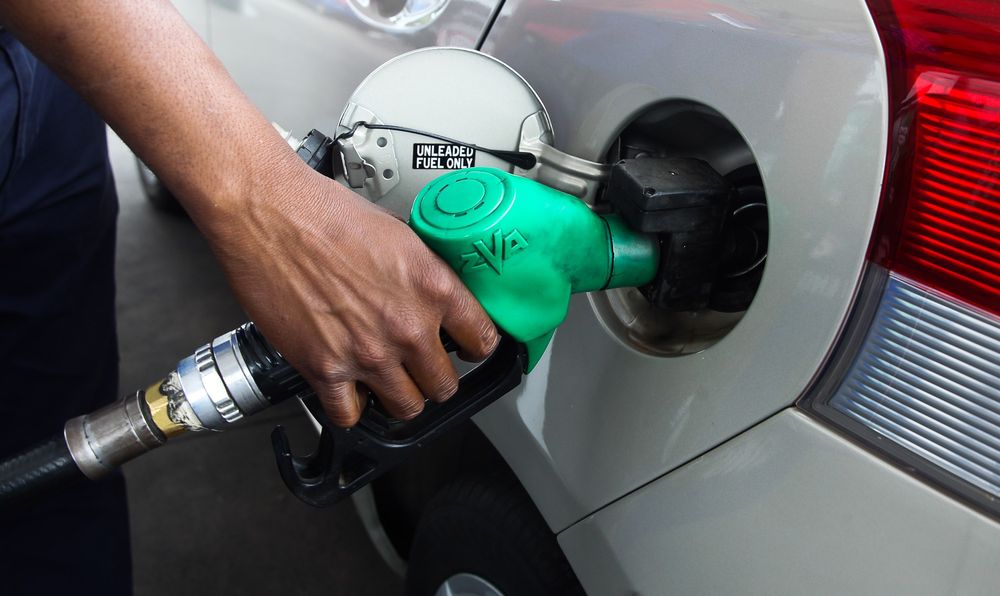
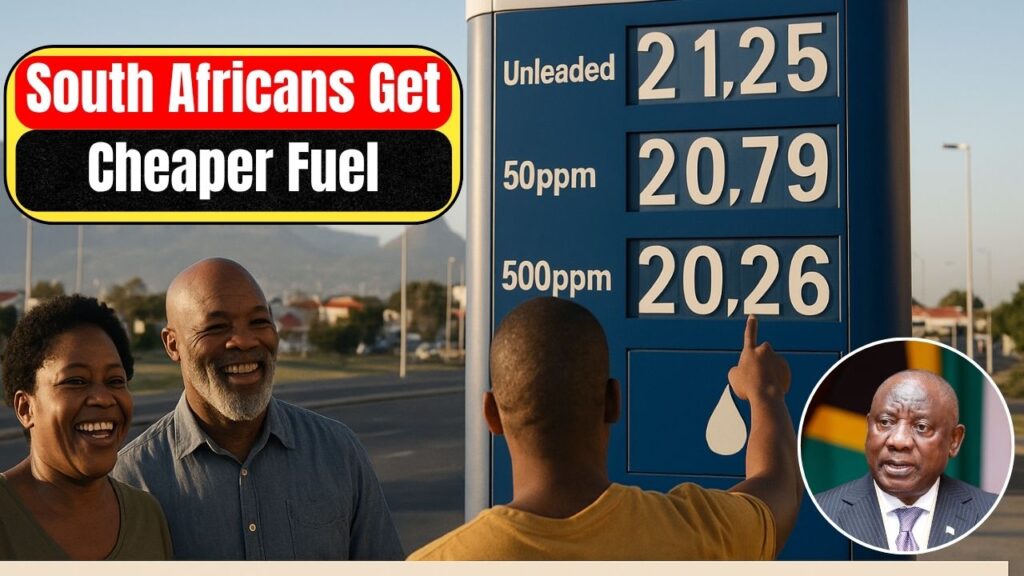
The South African Department of Mineral and Petroleum Resources announced fuel price adjustments effective June 3, 2026, featuring a decrease in diesel prices that provides financial relief to the freight and logistics sector. While commercial transporters benefit from lower operating costs, petrol prices are set to increase, creating a divergent economic impact for private motorists and the general public.
What are the fuel price changes effective June 3, 2026?
Fuel prices in South Africa will shift on June 3, 2026, according to an announcement from the Department of Mineral and Petroleum Resources. The adjustment presents a split outcome: diesel prices are decreasing, while petrol prices are trending upward.
Reports from Engineering News indicate that the relief for diesel users comes at a time when the transport industry has been struggling with high overheads. However, this is countered by “petrol price pain” for consumers, with some reports from TopAuto.co.za highlighting price points around R580, though these figures often reflect total cost variations across different grades and regions.
The divergent movement of these two fuel types creates a complex economic scenario. For the freight sector, the cost of moving goods across the country’s road network is directly tied to the price of diesel. A cut in this specific fuel category reduces the primary variable cost for trucking companies, potentially slowing the rate of inflation for transported goods.
Meanwhile, the petrol increase is described by some sources, such as Businesstech, as a point of contention, though specific adjustments—such as a R1.10 per litre shift—can be perceived as “joy” or “pain” depending on the preceding month’s volatility and the specific fuel grade affected.
Why does the diesel price cut provide relief to the freight sector?
Diesel is the lifeblood of the South African logistics chain. Almost all heavy-duty vehicles, from long-haul trucks to delivery vans, rely on diesel. When the Department of Mineral and Petroleum Resources lowers the price, the immediate effect is an increase in liquidity for transport operators.
According to Engineering News, the diesel price cut offers relief to freight sector, but challenges remain because the reduction is often offset by other rising costs. The freight sector operates on thin margins, and fuel typically accounts for a significant percentage of total operating expenses. A price drop allows companies to:
- Reduce immediate operational expenditure: Lower fuel bills mean more cash flow for vehicle maintenance and driver wages.
- Stabilize contract pricing: Many freight contracts include fuel escalation clauses. A price drop can prevent the need for immediate rate hikes for clients.
- Improve supply chain efficiency: Lower transport costs can reduce the final shelf price of essential goods, including food and medicine.
“The relief for diesel prices is a critical buffer for the logistics industry, which serves as the backbone of the national economy.” — Reported context from Engineering News.
How does the petrol price increase impact South African consumers?
While the freight sector sees a benefit, the average commuter faces a different reality. Petrol price increases directly affect the cost of living for millions of South Africans who rely on private vehicles for daily transport.
According to reports from TopAuto.co.za and Businesstech, the increase in petrol prices adds pressure to household budgets already strained by inflation. Unlike the freight sector, which can sometimes pass fuel costs onto clients through surcharges, the individual consumer simply absorbs the cost at the pump.
The impact is felt across several layers of the economy:
- Commuter Costs: Higher petrol prices increase the daily cost of getting to work, reducing discretionary spending.
- Small Business Pressure: Small-scale delivery services or consultants using petrol vehicles see their profit margins shrink.
- Psychological Impact: Frequent fluctuations in fuel prices create economic uncertainty, making it harder for households to budget for the month.
The disparity between the diesel cut and the petrol hike highlights the different roles these fuels play. Diesel is an industrial driver, whereas petrol is a consumer staple. When they move in opposite directions, the “relief” is concentrated in the commercial sector, while the “pain” is felt in the residential sector.
Comparing the Impact: Diesel vs. Petrol
The following table outlines the contrasting effects of the June 3, 2026, price adjustments based on reports from Polity.org.za and other news outlets.
| Fuel Type | Price Movement | Primary Beneficiary/Victim | Economic Effect |
|---|---|---|---|
| Diesel | Decrease | Freight & Logistics Sector | Lower transport overheads; potential for stabilized goods prices. |
| Petrol | Increase | Private Motorists & Commuters | Increased cost of living; reduced household disposable income. |
What are the remaining challenges for the freight sector?
Despite the price cut, the phrase “challenges remain” is central to the current industry outlook. Lowering the cost of fuel is a temporary fix for deeper, structural issues within the South African transport landscape.
According to industry analysis reflected in reports from IOL and Engineering News, the freight sector continues to struggle with several non-fuel related hurdles:
Infrastructure Decay and Road Quality
Fuel savings are often negated by the cost of vehicle wear and tear. Poor road conditions increase the frequency of tire replacements and suspension repairs, eating into the margins saved by the diesel price cut.
Security Risks and Cargo Theft
Freight operators face significant losses due to hijacking and cargo theft. The cost of insurance and private security details adds a heavy financial burden that a few cents’ drop in diesel cannot resolve.
Port Inefficiency
Logistical bottlenecks at major ports lead to idling trucks and delayed shipments. When trucks sit in queues for days, they continue to consume fuel and pay drivers, regardless of whether the per-litre price of diesel has dropped.
For a deeper look at how infrastructure affects logistics, see a related explainer on South African transport bottlenecks.
Why do fuel prices fluctuate so frequently in South Africa?
The adjustments announced by the Department of Mineral and Petroleum Resources are not arbitrary. They are the result of a complex formula that tracks global and local variables.
According to Polity.org.za, the primary drivers of these price changes include:
- The Basic Fuel Price (BFP): This is determined by the average price of oil in the international market (Brent Crude).
- The Rand/Dollar Exchange Rate: Since oil is traded in US Dollars, a weakening Rand makes fuel more expensive for South Africans, even if the global price of oil stays the same.
- Government Levies: Taxes, the General Fuel Levy, and the Road Accident Fund levy are added to the base price.
This means that the “relief” in diesel prices may be the result of a dip in global diesel demand or a temporary strengthening of the Rand, while the petrol increase could be driven by higher global gasoline prices or refinery constraints.
How does this affect the broader economy?
The interaction between fuel prices and the economy is a ripple effect. Because diesel powers the movement of almost every physical product in South Africa, its price is a leading indicator for inflation.
When diesel prices drop, as they have for the June 3 adjustment, there is a theoretical window for food and consumer goods prices to stabilize. If a trucking company spends less on fuel, they are less likely to raise their delivery fees. However, this benefit rarely reaches the consumer immediately due to “price stickiness,” where retailers are slow to lower prices even when their costs drop.
Conversely, the petrol increase acts as a regressive tax. It hits lower- and middle-income earners hardest, as they spend a larger percentage of their income on transportation. This can lead to a slowdown in retail spending, as consumers prioritize fuel over other non-essential purchases.
Experts suggest that the net effect of this specific adjustment is a redistribution of economic pressure: moving it away from the industrial logistics chain and placing it more heavily on the individual consumer.
Common Misconceptions About Fuel Price Adjustments
There are several common misunderstandings regarding how these price changes work in South Africa.
Misconception: The government sets the price to make a profit
While the government collects levies (taxes) on fuel, the base price is determined by international markets and the exchange rate. The Department of Mineral and Petroleum Resources announces the adjustment, but they do not “set” the global price of oil.
Misconception: A diesel cut immediately lowers food prices
While it reduces the cost of transport, many other factors—such as drought, electricity costs for cold storage, and retail margins—influence the final price of food. A diesel cut is a helpful factor, but it is not a magic switch for lower grocery bills.
Misconception: All petrol grades change by the same amount
Different grades of petrol and diesel may see different adjustments based on their specific international pricing and refinery costs. This is why some consumers may see “joy” while others see “pain” in the same announcement.
Frequently Asked Questions
When do the new fuel prices take effect?
The fuel price adjustments announced by the Department of Mineral and Petroleum Resources take effect on June 3, 2026.
Who benefits most from the diesel price cut?
The primary beneficiaries are the freight, logistics, and agricultural sectors, as diesel is the main fuel used for heavy-duty machinery and long-haul transport.
Why is petrol increasing while diesel is decreasing?
This happens because petrol and diesel are different commodities on the global market. They are influenced by different demand patterns, refinery capacities, and international pricing benchmarks.
Will the diesel cut lower the cost of groceries?
It may help stabilize prices by reducing transport overheads for distributors, but it does not guarantee an immediate drop in retail food prices due to other inflationary pressures.
What factors cause the most volatility in SA fuel prices?
The two biggest factors are the international price of Brent Crude oil and the exchange rate between the South African Rand and the US Dollar.
The June 3 adjustment serves as a reminder of the volatility inherent in the energy market. While the freight sector can breathe a sigh of relief, the broader economic picture remains strained by the petrol increase and systemic infrastructure challenges. For those in the logistics industry, the focus now shifts from the price at the pump to the efficiency of the roads and ports they navigate.
