Coventry Airport Closes Permanently to Make Way for Industrial Gigapark
Coventry Airport has officially ceased operations to facilitate the development of a massive industrial “gigapark,” according to reports from the BBC and The Independent. The facility closed following a final commercial flight carrying the pop group Take That, ending a history of aviation that included high-profile visits from global figures such as the Pope.
The Final Flight: Take That Marks the End of an Era
The closure of Coventry Airport culminated in a symbolic final commercial landing. The Independent reports that the pop legends Take That touched down on the final commercial flight, effectively signaling the end of the site’s role as a passenger hub. This event served as the definitive bookend to the airport’s operational life, transitioning the site from a place of transit to a construction zone.
The timing of the closure followed a period of escalating cancellations. The Mirror reported that all remaining flights were cancelled in the final week of operation, leaving the tarmac empty shortly after the final commercial arrivals. This rapid wind-down ensured that the transition to the next phase of land use could begin without lingering aviation commitments.
“It was part of our lives,” residents stated, according to Yahoo News UK, reflecting a widespread sentiment of loss among the local population as the city said goodbye to the facility.
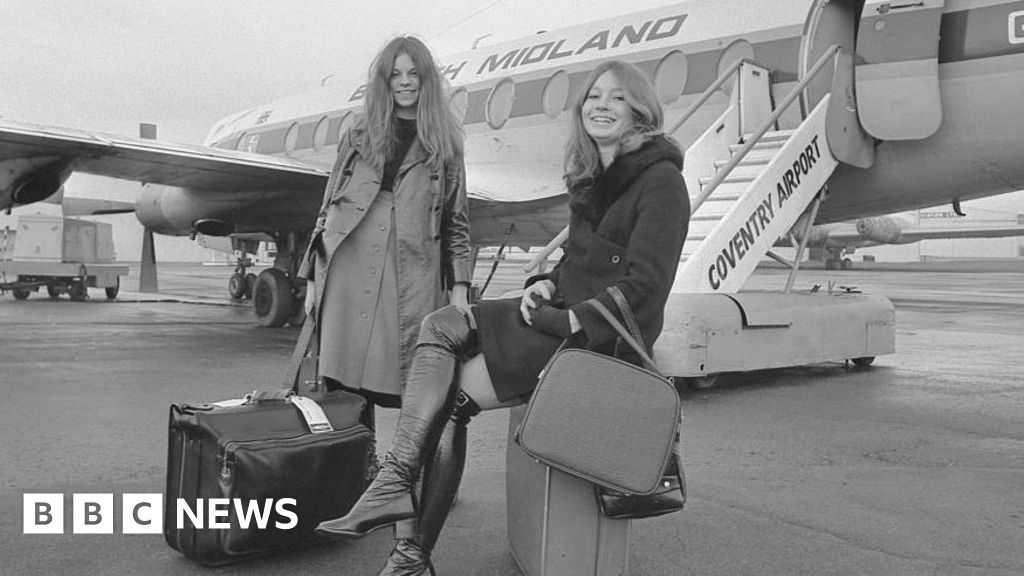
From the Pope to Take That: Coventry Airport in Pictures – BBC Retrospective
The history of the site is defined by its ability to attract global attention, a narrative captured in the visual history titled “From the Pope to Take That: Coventry Airport in pictures – BBC.” The airport did not merely serve regional commuters; it acted as a gateway for international dignitaries and cultural icons.
According to BBC archives, the airport’s legacy includes the arrival of the Pope, highlighting the facility’s capacity to handle high-security, high-profile state and religious visits. The contrast between the arrival of a spiritual leader and the final departure of a pop group like Take That illustrates the broad spectrum of the airport’s utility over the decades.
Key Historical Milestones of Coventry Airport
- State Visits: Hosting the Pope and other international figures, establishing the airport as a point of global connection for the West Midlands.
- Commercial Service: Providing essential regional links for business and leisure travelers.
- Cultural Touchstones: Serving as the arrival point for major entertainers, ending with the final flight of Take That.
- Community Integration: Acting as a landmark for residents, who described the airport as an integral part of the city’s identity.
What is the Coventry Gigapark and Why is it Replacing the Airport?
The land previously occupied by the airport is being repurposed for a “gigapark.” According to the BBC, this development is intended to be a massive industrial and commercial hub designed to attract high-tech investment and create jobs in the region.
The shift from aviation to an industrial park reflects a broader economic trend in the UK, where underutilized or struggling regional airports are converted into logistics and manufacturing centers. The “gigapark” model prioritizes large-scale warehouse space and corporate campuses over runway maintenance and air traffic control.
The decision to shut down the airport stems from the economic viability of the site compared to the projected revenue and employment opportunities offered by the gigapark. While the airport provided connectivity, the gigapark is positioned as a driver for long-term urban regeneration and industrial growth.
| Feature | Coventry Airport (Former) | Coventry Gigapark (Proposed) |
|---|---|---|
| Primary Use | Aviation and Passenger Transit | Industrial, Tech, and Logistics |
| Economic Driver | Travel and Tourism | Manufacturing and Job Creation |
| Key Visitors | The Pope, Take That, State Dignitaries | Corporate Investors, Tech Firms |
| Community Role | Transport Hub | Employment Center |
The Impact on the Local Community
The closure has elicited a strong emotional response from the people of Coventry. Yahoo News UK reported that many residents viewed the airport as more than just a piece of infrastructure. For many, the sight and sound of aircraft were constants in their daily lives, creating a psychological link to the wider world.
The sentiment expressed by locals suggests a tension between economic progress and cultural heritage. While the promise of a gigapark brings the prospect of employment, the loss of the airport is felt as a loss of city prestige. The transition represents a move away from the “glamour” of aviation—symbolized by the arrivals of pop stars and religious leaders—toward the pragmatic utility of industrialization.
This transition is not without its critics. Some residents have expressed sadness over the erasure of a site that defined the city’s skyline and its connection to international travel. The closure marks a shift in how Coventry interacts with the global community, moving from a physical landing point to an economic production point.
Community Concerns and Considerations
- Loss of Identity: The airport was a recognizable landmark that contributed to the city’s sense of place.
- Transport Shifts: The removal of local flight options forces travelers to rely on larger hubs like Birmingham Airport.
- Employment Transition: While the gigapark promises jobs, the nature of those jobs differs from the specialized aviation roles previously available.
Analyzing the Closure: A Comparative View of Media Framing
Different news outlets have framed the closure of Coventry Airport through varying lenses, revealing a contrast in how the event is perceived by the public and the media.
The BBC’s coverage, particularly in the feature “From the Pope to Take That: Coventry Airport in pictures – BBC,” emphasizes the nostalgia and historical significance of the site. By focusing on the high-profile visitors, the BBC frames the airport as a cultural asset whose loss is a matter of public record and memory.
In contrast, The Independent focuses on the finality and the celebrity element, highlighting the arrival of Take That as the definitive closing act. This framing treats the closure as a news event with a clear, dramatic conclusion.
The Mirror’s reporting is more functional and immediate, focusing on the cancellation of flights and the logistics of the shutdown. This approach prioritizes the impact on the traveler and the immediate timeline of the closure.
Finally, Yahoo News UK foregrounds the human element, centering the narrative on resident reminiscences. This framing transforms a corporate and municipal decision into a story of community grief and personal memory.
For those interested in how regional infrastructure changes affect urban growth, a related explainer on UK regional development may provide further context.
The Broader Context of UK Regional Airport Closures
The fate of Coventry Airport is not an isolated incident but part of a wider trend affecting regional aviation across the United Kingdom. Many smaller airports have struggled to compete with low-cost carriers that prefer larger hubs with higher passenger volumes. This has led to a decline in commercial viability for secondary airports.
The conversion of aviation land into industrial parks, such as the gigapark, is a strategic move by local councils to hedge against the volatility of the travel industry. Logistics and “big box” warehousing have seen a surge in demand due to the growth of e-commerce, making airport land highly attractive for developers.
This shift indicates a change in the economic priorities of the West Midlands. The region is moving toward a model of “industrial clusters,” where land is optimized for production and distribution rather than transit. While this may increase the GDP of the city, it removes the physical infrastructure that once allowed a city like Coventry to host a Pope or a world-famous pop group on its own soil.
Common Misconceptions About the Closure
One common misconception is that the airport failed due to a lack of interest in travel. However, the evidence suggests the closure was a strategic decision to pivot toward a more lucrative land use—the gigapark. The airport did not simply “go out of business”; it was replaced by a different economic vision for the city’s future.
Another misconception is that the city has lost all its aviation connectivity. While Coventry Airport is gone, the region remains served by other major hubs. The loss is more about local convenience and civic identity than a total blackout of air travel for the city’s residents.
Frequently Asked Questions
Why did Coventry Airport close?
According to the BBC, the airport closed to make way for the development of a “gigapark,” a large-scale industrial and commercial hub intended to drive economic growth and job creation in the city.
Who was on the final commercial flight to Coventry Airport?
The Independent reported that the pop group Take That arrived on the final commercial flight, marking the end of the airport’s passenger operations.

What is the “gigapark” replacing the airport?
The gigapark is a planned industrial development designed to attract high-tech businesses and logistics firms, shifting the land use from aviation to commercial and industrial production.
Did the Pope ever visit Coventry Airport?
Yes, as highlighted in the BBC’s retrospective “From the Pope to Take That: Coventry Airport in pictures – BBC,” the airport hosted the Pope during a high-profile visit.
How did the local community react to the closure?
Yahoo News UK reported that residents expressed sadness and nostalgia, stating that the airport was a significant part of their lives and the city’s identity.
The transition from an active runway to an industrial park represents a fundamental change in Coventry’s landscape. As the “gigapark” takes shape, the city trades its role as a landing strip for the world’s elite for a role as a hub of industrial productivity. The memories of the Pope’s arrival and Take That’s final landing remain as the last echoes of the city’s era of commercial aviation.
