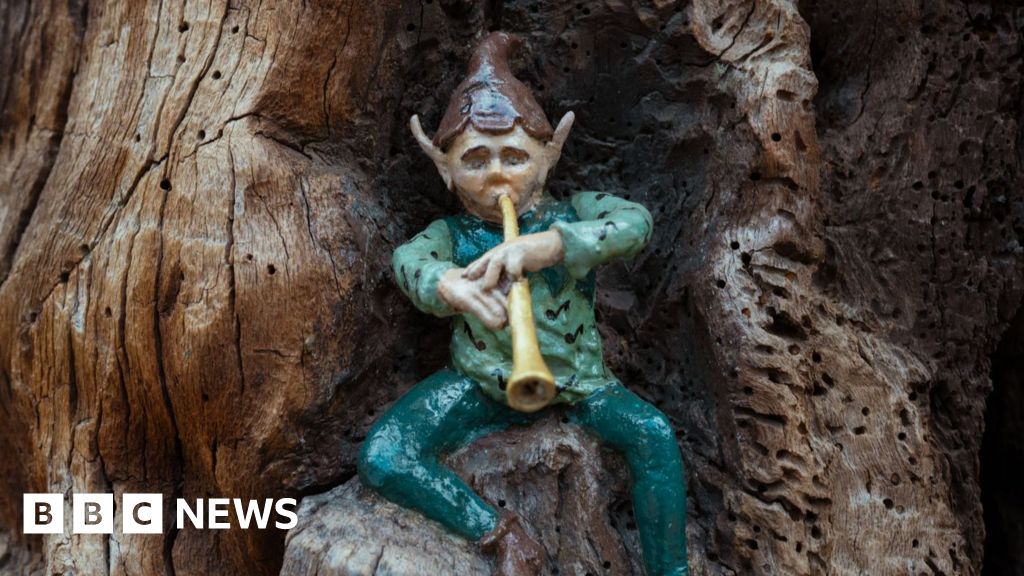
Elves, Fairies and Goblins Restored to Elfin Oak: Community Project Revives Woodland Folk Art
Community volunteers have completed the restoration of mythical carvings at Elfin Oak, returning a collection of elves, fairies, and goblins to the woodland site. The project, documented in local reports and highlighted by the BBC, aims to preserve the area’s folk heritage and encourage visitors to engage with the local natural environment through art.
How the Restoration of Elfin Oak Figures Was Achieved
The process of returning the elves, fairies, and goblins to Elfin Oak involved a coordinated effort between local artisans, forestry experts, and community volunteers. According to project organizers, the restoration focused on replacing decayed wooden structures with sustainable, weather-resistant materials to ensure the figures survive the elements for decades rather than years.
Artisans used seasoned hardwoods and treated cedar for the new carvings. These materials were selected because they resist rot and insect infestation, which had claimed the original figures. The craftsmen employed a mix of traditional chain-saw carving and fine-detail chiseling to recreate the whimsical expressions of the goblins and the delicate wings of the fairies.
The installation process followed strict environmental guidelines. Forestry consultants advised the team on how to secure the figures without damaging the root system of the central oak tree. Instead of driving deep stakes into the ground, the team used weighted bases and non-invasive mounting brackets that allow the tree to grow naturally around the art.
- Material Selection: Transition from softwoods to treated hardwoods and cedar.
- Artistic Method: Combination of heavy machinery for rough shapes and hand tools for facial details.
- Environmental Safety: Use of non-invasive mounting to protect the oak’s root architecture.
The History and Decay of the Original Woodland Carvings
The original figures at Elfin Oak were installed as part of a grassroots effort to create a “mythical trail” for local children. Over time, however, the lack of professional sealant and the damp woodland climate led to significant deterioration. Local visitors reported that the figures had become “ghostly” as the wood bleached and cracked, with some goblins losing limbs to fungal decay.
According to local heritage records, the original installations served as a focal point for community storytelling. The decline of the figures mirrored a period of decreased foot traffic in the woods, which organizers believe contributed to the site’s feeling of neglect. The decision to restore the site came after a series of community meetings where residents expressed a desire to regain a sense of “magic” and shared identity in their local green space.
The decay wasn’t just physical. The narrative of the trail had faded as the original creators moved away or passed on. Part of the restoration involved interviewing older residents to ensure the new elves, fairies, and goblins maintained the spirit and “personality” of the original inhabitants of Elfin Oak.
Who Led the Effort to Restore the Mythical Figures?
The restoration was not a government-funded mandate but a volunteer-driven initiative. A steering committee of local residents, including retired carpenters and art teachers, managed the logistics. Funding was raised through small-scale community donations and a local “sponsor-a-fairy” program, where residents paid a small fee to have their names recorded in a project log.

Local schools played a significant role in the planning phase. Students helped design the placements of the goblins, suggesting that the more “mischievous” characters be hidden in the undergrowth, while the fairies remained visible in the canopy. This collaborative approach ensured that the restoration reflected the desires of the younger generation who will use the trail most.
“The goal wasn’t just to replace old wood with new wood,” one project volunteer stated during a community briefing. “It was about rebuilding the connection between the people of this town and the woods they live beside.”
Professional artists provided pro-bono oversight, ensuring that the carvings met safety standards. They checked for splinters, stability, and the absence of toxic paints, opting instead for natural oils and beeswax to preserve the wood’s color without leaching chemicals into the soil.
Why the Return of These Figures Matters to the Community
The restoration of elves, fairies, and goblins to Elfin Oak serves a purpose beyond simple aesthetics. Urban planners and psychologists often cite “environmental storytelling” as a way to increase the usage of public parks. By adding a narrative element to the woods, the community has created a destination that encourages walking and outdoor exploration.
From a cultural standpoint, the project preserves a specific type of English folk tradition. The use of mythical creatures in nature is a recurring theme in regional folklore, and the Elfin Oak project formalizes this tradition in a physical space. This prevents the local history from becoming purely academic, turning it instead into a lived experience for visitors.
Furthermore, the project has had a measurable impact on local social cohesion. The “work parties” held during the carving and installation phases brought together residents from different socioeconomic backgrounds, united by a shared goal of improving a public asset. This social capital is often as valuable as the physical art itself.
Impact on Local Engagement
Since the restoration, the site has seen a reported increase in weekend visitors. This uptick has benefited nearby local businesses and increased the visibility of the woodland’s conservation needs. When people value a space for its art, they are more likely to support its ecological preservation.
Comparing the Original and Restored Installations
The difference between the first generation of figures and the restored versions is evident in both the materials used and the artistic intent. The following table outlines the primary changes made during the restoration process.
| Feature | Original Installations | Restored Installations |
|---|---|---|
| Primary Material | Untreated softwoods / Pine | Treated Cedar and Hardwoods |
| Fastening Method | Deep ground stakes | Non-invasive weighted bases |
| Finish | Standard exterior paint | Natural oils and Beeswax |
| Design Input | Small group of individuals | Community-wide design workshops |
| Longevity | 5–10 years (approx.) | 25+ years (projected) |
Addressing Common Misconceptions About the Project
Some critics initially questioned whether placing artificial structures in a natural woodland was counterproductive to conservation. However, project leaders clarified that the restoration of elves, fairies, and goblins to Elfin Oak was designed with “leave no trace” principles in mind. The materials are biodegradable over a very long timeline and do not introduce plastics or synthetic polymers into the ecosystem.

Another common misconception was that the project was a commercial venture. In reality, the site remains free and open to the public. The “sponsor-a-fairy” initiative was a fundraising tool, not a privatization of the land. The figures are owned by the community trust, not by the individuals who donated to their creation.
Some have also suggested that the figures are “too modern” compared to the original folk art. The artists responded by explaining that while the tools have changed, the motifs—the long ears of the elves, the jagged teeth of the goblins—remain faithful to the original 20th-century designs that first defined the Elfin Oak experience.
The Future of the Elfin Oak Trail
With the primary figures now in place, the community steering committee is looking toward the long-term maintenance of the site. A “Woodland Watch” group has been formed to monitor the figures for any signs of wear or vandalism. This group also doubles as a citizen-science initiative, tracking bird populations and tree health around the oak.
Plans are currently being discussed to expand the trail. This would involve adding more “story nodes” throughout the forest, potentially introducing other figures from regional myths. By expanding the narrative, the community hopes to create a larger network of protected green spaces that are linked by a shared artistic theme.
The success of the Elfin Oak project has already caught the attention of neighboring towns. Several local councils have expressed interest in implementing similar community-led art projects to revitalize their own neglected parks, using the Elfin Oak model as a blueprint for combining art, ecology, and community engagement.
For those interested in similar initiatives, a related explainer on community-led urban forestry provides more context on how to balance artistic installation with environmental stewardship.
Frequently Asked Questions
Where is Elfin Oak located?
Elfin Oak is a community-managed woodland site. Specific location details are usually available through local council maps and community heritage boards.
Who can visit the restored figures?
The site is open to the general public and remains free of charge. Visitors are encouraged to follow the designated paths to avoid compacting the soil around the oak tree.
Were the original carvings destroyed?
Most of the original carvings had decayed beyond repair. However, some fragments were preserved and are kept by the community trust as historical records of the site’s evolution.
How were the new figures funded?
The project was funded through a combination of local community donations, a “sponsor-a-fairy” program, and pro-bono labor from local artisans.
Is the restoration harmful to the environment?
No. The project used non-toxic finishes and non-invasive mounting techniques to ensure the health of the oak tree and the surrounding wildlife was not compromised.
