
Son Tae-young Drives 3 Hours for Son’s College Entrance Exams – 조선일보
Former Olympic judo gold medalist Son Tae-young drove three hours to support her son during his college entrance examinations, according to recent social media posts and media reports. The journey underscores the intense parental involvement characteristic of the South Korean academic environment during the high-stakes College Scholastic Ability Test (CSAT) season.
The Journey: Son Tae-young’s Support for Her Son’s Exams
Son Tae-young recently shared details of her commitment to her son’s academic milestones, specifically highlighting a three-hour commute to ensure her son reached his examination site. According to reports, the athlete utilized her personal time and effort to manage the logistics of the commute, reflecting a level of dedication common among parents of students facing the national entrance exams.
The drive was not merely a matter of transportation but a strategic effort to minimize stress for the student. In the context of the Korean education system, the morning of the exam is often fraught with anxiety. By taking the wheel herself, Son ensured a controlled environment, avoiding the unpredictability of public transport or third-party drivers during a day when city traffic is notoriously congested due to thousands of students heading to testing centers simultaneously.
Key aspects of the event include:
- Distance and Time: A three-hour round-trip or one-way journey (depending on the specific route) dedicated to exam logistics.
- Parental Role: Transitioning from a world-class athlete to a support system for her child’s academic transition.
- Public Disclosure: The use of social media to document the experience, which sparked discussions regarding the pressures faced by both students and parents in Korea.
Understanding the Pressure of the Korean College Scholastic Ability Test (CSAT)
To understand why a three-hour drive is viewed as a significant act of devotion, one must examine the nature of the Suneung, or the College Scholastic Ability Test. This single-day examination determines the trajectory of a student’s academic and professional life, often deciding which of the “SKY” universities (Seoul National University, Korea University, and Yonsei University) they can enter.
The Suneung is not merely a test of knowledge but a test of endurance and psychological fortitude. For many families, the months leading up to the exam are treated as a period of national mobilization. According to educational analysts, the pressure is not solely on the student; parents often reorganize their entire professional and personal lives to facilitate their child’s study schedule.
The intensity of the day is reflected in the following societal adjustments:
- Traffic Control: Police often provide escorts for students who are running late to their testing centers.
- Aviation Adjustments: Flights are frequently delayed or rescheduled to avoid noise pollution during the English listening comprehension section of the exam.
- Corporate Flexibility: Some companies allow parents to take leave or start work later to assist their children on exam day.
“The Suneung is more than an exam; it is a social rite of passage where the parent’s role shifts from educator to logistical manager and emotional anchor.”
Why Parental Involvement Peaks During Suneung
The actions of Son Tae-young are representative of a broader cultural phenomenon in South Korea known as “education fever.” The belief that academic success is the primary vehicle for social mobility drives parents to extreme lengths. Driving long distances, preparing specific “brain-boosting” meals, and staying awake through the night to wake their children up are standard practices.
This involvement is driven by several factors:
The “All-or-Nothing” Nature of the Test
Unlike systems with multiple entrance windows or holistic admissions, the Suneung’s weight is immense. A few points’ difference can mean the difference between a top-tier university and a mid-tier institution. This creates a high-stress environment where parents feel that any logistical failure—such as a traffic jam or a missed bus—could jeopardize years of hard work.
Emotional Support and Psychological Buffering
Parents often act as a psychological buffer. By handling all external stressors—including transportation—parents attempt to clear the student’s mind entirely for the exam. Son Tae-young’s decision to drive three hours serves as a tangible manifestation of this support, signaling to the student that their effort is recognized and shared by the family.
The Role of Public Figures as Parents
When public figures like Son Tae-young share these experiences, it humanizes the struggle. It demonstrates that regardless of professional success or fame, the challenges of parenting within the Korean education system remain universal. This often leads to a cycle of shared empathy among the public, who recognize the same struggles in their own lives.
From Olympic Gold to Academic Support: Son Tae-young’s Transition
Son Tae-young’s background as an Olympic gold medalist provides a unique lens through which to view her parenting. The discipline required to reach the pinnacle of international judo—characterized by rigorous training, mental toughness, and a strict adherence to schedule—parallels the discipline required for a student to succeed in the Suneung.
The transition from athlete to “exam parent” involves applying the same mindset of peak performance. In sports, the “game day” is the culmination of years of training; in the Korean system, the Suneung is the equivalent of the Olympic finals. By driving three hours, Son applies the athlete’s focus on preparation and “removing variables” to her son’s academic success.
| Aspect | Elite Athletics (Son’s Career) | Suneung Preparation (Son’s Journey) |
|---|---|---|
| Goal | Olympic Gold / Podium Finish | Admission to Top-Tier University |
| Preparation | Years of Physical/Mental Training | Years of Intensive Study/Hagwons |
| Critical Moment | The Final Match | The Single Day of Testing |
| Support System | Coaches and Trainers | Parents and Tutors |
Common Misconceptions About “Tiger Parenting” in Korea
Outside of Korea, the level of parental involvement seen in stories like Son Tae-young’s is often labeled as “tiger parenting”—a term implying strictness or overbearing control. However, a closer analysis reveals a more nuanced reality. For many, this behavior is not about control, but about devotion.
The distinction lies in the intent. While strictness exists, the act of driving three hours is an act of service. It is a way for parents to participate in a struggle they can no longer physically or intellectually undertake themselves. The parent cannot take the test for the child, so they optimize every other variable in the child’s environment.
Another misconception is that this pressure is solely negative. While the stress levels are undeniably high, many students report that the visible effort of their parents—such as the long drives or the prepared meals—provides them with a sense of security and motivation, knowing they are not facing the ordeal alone.
The Broader Implications of Academic Logistics
The narrative of Son Tae-young’s drive also points to the geographic centralization of education in South Korea. Many of the most prestigious academies (hagwons) and specialized tutoring centers are concentrated in specific districts, such as Gangnam in Seoul. This often necessitates long commutes for students and parents who live in outskirts or different provinces.
This geographic divide creates a “logistics gap” where families with the means and time to provide private transportation and proximity to these hubs have a perceived advantage. The three-hour drive is a reminder of the physical and temporal costs associated with pursuing top-tier education in the region.
Related discussions on the impact of private education in Korea often highlight how these logistical burdens contribute to the overall cost of raising a child, incorporating not just tuition but the “time cost” of parental support.
Comparing Parental Roles Across Different Social Strata
While Son Tae-young’s experience is highlighted due to her celebrity status, the “exam drive” is a common ritual across various economic backgrounds. However, the resources available differ:

- High-Income Families: May employ private drivers or move their entire household closer to the testing center or a specific academy for the final months of preparation.
- Middle-Income Families: Often mirror Son Tae-young’s experience, with parents personally managing all transport and logistics, often sacrificing work hours.
- Lower-Income Families: May rely more heavily on public transportation, which adds a layer of anxiety regarding delays and crowds on the morning of the Suneung.
The common thread remains the emotional investment. Regardless of the vehicle or the distance, the act of accompanying the child to the gates of the testing center is a symbolic gesture of solidarity.
The Psychological Impact of the “Final Push”
The period leading up to the exam, often called the “final push,” is a time of extreme vulnerability for students. The presence of a parent during the commute serves several psychological functions. First, it provides a “safe space” where the student can remain in a state of focused calm. Second, it prevents the student from having to engage with the chaos of the public, which can be distracting.
According to child psychologists specializing in academic stress, the “silent support” provided during these commutes—where parents avoid lecturing and instead focus on comfort—is often more valuable than the actual tutoring. Son Tae-young’s choice to be the driver is a form of this silent support, providing stability in an unstable emotional moment.
FAQ
Why did Son Tae-young drive three hours for her son’s exams?
Son Tae-young drove three hours to ensure her son arrived at his college entrance examination center safely and without stress. In the high-pressure environment of the South Korean Suneung, parents often manage all logistics to allow students to focus entirely on their tests.
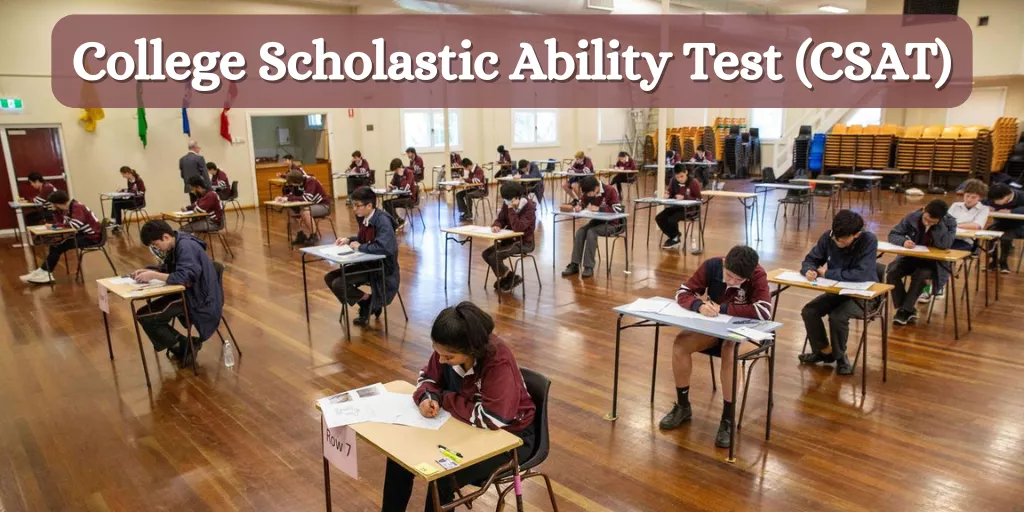
What is the Suneung (CSAT) in South Korea?
The Suneung is the College Scholastic Ability Test, a standardized national exam taken once a year. It is the primary determinant for university admissions in South Korea and is known for its extreme competitiveness and societal importance.
Is it common for Korean parents to be this involved in exams?
Yes, it is very common. Parental involvement during the Suneung season often includes managing transportation, preparing specific diets, and providing emotional support to help students cope with the immense pressure of the one-day exam.
How does Son Tae-young’s background as an athlete relate to this?
As an Olympic gold medalist, Son Tae-young is familiar with the discipline and mental preparation required for high-stakes performance. Her approach to her son’s exam logistics reflects a similar commitment to preparation and the removal of external stressors.
What are the “SKY” universities mentioned in the context of the Suneung?
“SKY” is an acronym for Seoul National University, Korea University, and Yonsei University. These are considered the three most prestigious universities in South Korea, and gaining admission to them is a primary goal for many students taking the CSAT.
