
The mayor of San Martino Buon Albergo has issued a public health ordinance following the confirmation of a dengue fever case within the municipality, according to reports from L’Arena. The decree mandates immediate preventative measures to eliminate mosquito breeding sites and curb the potential spread of the virus.
What the mayoral ordinance requires
The local administration is focusing on the removal of standing water to disrupt the life cycle of the Aedes mosquito, the primary vector for dengue. According to the report, the ordinance requires residents and property owners to ensure that containers, vases, gutters, and any other vessels that can collect rainwater are emptied or treated.
These steps are designed to prevent the mosquitoes from laying eggs in urban environments, which can lead to localized transmission if an infected person is bitten by a local mosquito population.
How dengue spreads in urban areas
Dengue is a viral infection transmitted to humans through the bite of infected mosquitoes. While the source does not specify if the case in San Martino Buon Albergo was imported from travel or is an autochthonous (locally acquired) infection, the mayoral response follows standard public health protocols for mosquito-borne illnesses in Europe.
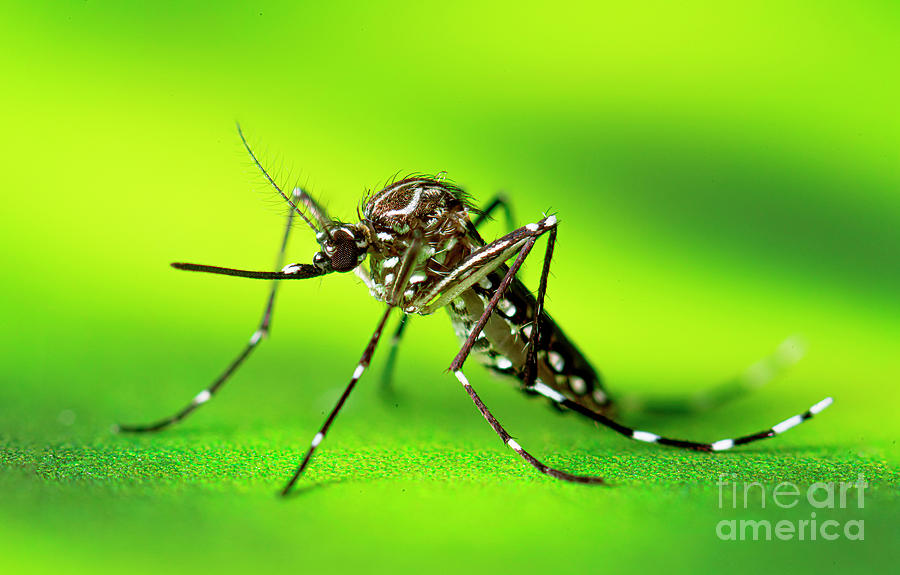
Public health authorities typically prioritize the elimination of “micro-breeding” sites in residential gardens and balconies, as Aedes albopictus (the tiger mosquito), common in Italy, is highly adapted to urban living.
Preventative measures and next steps
The municipality’s current strategy relies on community cooperation to reduce the mosquito population. Health officials emphasize that removing stagnant water is the most effective way to limit the presence of the vector without relying solely on chemical insecticides.
Further updates regarding the status of the case or additional health screenings in the area have not yet been released by local authorities.
