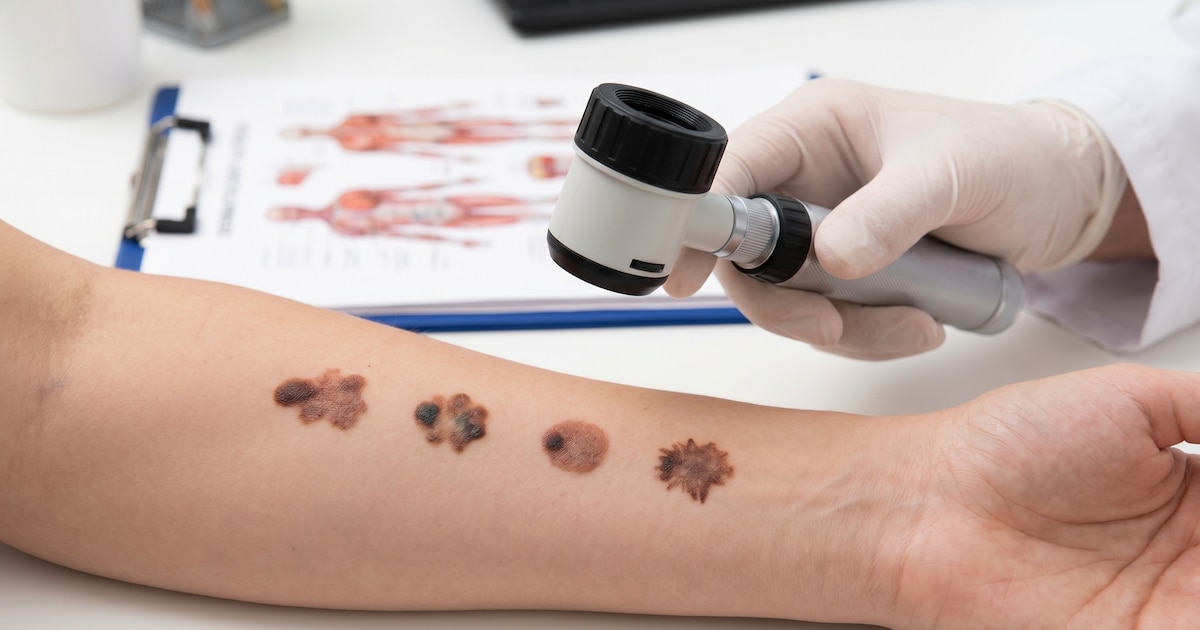
Health officials have outlined four key signs of skin cancer that warrant immediate medical attention, emphasizing early detection as critical to improving outcomes. The warnings come as dermatologists note an increasing number of cases linked to prolonged sun exposure and inadequate protective measures.
What the Research Found
According to health professionals, the four primary indicators of potential skin cancer include irregularly shaped moles, changes in existing moles, new growths on the skin, and sores that do not heal. These signs, often summarized by the acronym ABCDE (Asymmetry, Border, Color, Diameter, Evolving), are widely used by clinicians to assess suspicious lesions.
Studies suggest that melanoma, the most dangerous form of skin cancer, has a high survival rate when detected early. However, delayed diagnosis can lead to metastasis, significantly reducing treatment efficacy. Researchers highlight that approximately 90% of skin cancer cases are linked to ultraviolet (UV) radiation from the sun or tanning beds.
Who Is Most Affected
Individuals with fair skin, a history of sunburns, or a family history of skin cancer are at higher risk. However, health experts caution that no one is immune, as melanoma can develop in people of all skin tones. The Centers for Disease Control and Prevention reports that skin cancer is the most common cancer in the United States, with over 9,000 deaths annually from melanoma alone.

How to Respond to Warning Signs
Public health authorities recommend regular self-examinations and annual checkups with a dermatologist, particularly for those with risk factors. When noticing any of the listed signs, individuals should consult a healthcare provider promptly. Early intervention often involves biopsy and, if necessary, surgical removal of the affected tissue.
Health officials also stress the importance of sun protection, including the use of broad-spectrum sunscreen with an SPF of 30 or higher, wearing protective clothing, and avoiding peak sunlight hours. These measures are especially critical for children, as childhood sunburns significantly increase lifetime risk.
Limitations and Unanswered Questions
While the ABCDE guidelines are widely accepted, some experts note that not all skin cancers fit these criteria. For example, certain types of melanoma may appear as small, uniform lesions. Additionally, the effectiveness of self-examinations in reducing mortality rates requires further study, as some cases may go undetected without professional evaluation.
What Officials Recommend
The American Academy of Dermatology advises individuals to perform monthly skin checks and report any changes to their doctor. Public awareness campaigns continue to emphasize the importance of vigilance, particularly in regions with high UV exposure. Health departments in several states have launched initiatives to provide free skin cancer screenings, aiming to increase access to early detection services.
