Ebola Cases in DR Congo Rise to 710 as Authorities Deny Lockdown Rumors
Ebola cases in the Democratic Republic of Congo (DRC) have increased to 710, according to reports from Xinhua. While the virus spreads into new geographic areas, government authorities have officially denied rumors regarding an impending lockdown. This surge occurs as patients increasingly avoid public hospitals in favor of private clinics, according to Yahoo News Canada.
Why are Ebola cases rising in the Democratic Republic of Congo?
The number of confirmed Ebola infections in the DRC has seen a steady climb, reaching 710 cases according to Xinhua. This represents a significant increase from a previous count of 676 cases reported by Ars Technica. The upward trajectory indicates that the virus is maintaining a foothold in the population despite ongoing containment efforts.
According to Al Jazeera, the alarm has intensified as the virus spreads into new areas of the country. This geographic expansion complicates the response effort, as health workers must establish new treatment centers and surveillance networks in regions that were previously unaffected. The movement of people between provinces and the porous nature of rural borders often facilitate the transmission of the virus.
Health officials face a multifaceted challenge in curbing the spread. The transmission of Ebola typically occurs through direct contact with the blood, secretions, organs, or other bodily fluids of infected people, as well as with surfaces and materials contaminated with these fluids. In the DRC, the combination of dense forest terrain and limited transportation infrastructure makes the rapid deployment of medical teams difficult.
| Source | Reported Case Count | Status |
|---|---|---|
| Ars Technica | 676 | Previous Benchmark |
| Xinhua | 710 | Current Total |
What is the government’s response to lockdown rumors?
As the case count reached 710, rumors began circulating that the government would implement lockdowns to restrict movement and contain the virus. According to Xinhua, authorities have explicitly denied these rumors, stating that no such lockdowns are planned. The government’s denial aims to prevent social panic and ensure that the economy and food supply chains remain functional.
Lockdowns in the DRC are historically difficult to enforce and can lead to significant civil unrest. In previous outbreaks, restrictive measures have sometimes been met with resistance from local populations who rely on daily trade and farming for survival. By denying the rumors, authorities are attempting to maintain public cooperation without resorting to coercive measures that might drive the infected further underground.
The tension between the need for containment and the need for social stability is a recurring theme in the DRC’s health crises. When rumors of lockdowns spread, they can inadvertently encourage people to hide symptoms or flee their villages to avoid being trapped, which paradoxically increases the risk of spreading the virus to new areas.
- Official Stance: No lockdowns are currently planned according to government statements cited by Xinhua.
- Primary Goal: Prevent public panic and maintain the flow of essential goods.
- Risk Factor: Rumors of restriction can lead to “flight” behavior, spreading the virus further.
Why are patients avoiding public hospitals during the outbreak?
A critical shift in the healthcare landscape has emerged during this outbreak. According to Yahoo News Canada, the fight against Ebola has shifted toward private clinics because patients are shunning public hospitals. This trend creates a dangerous gap in the official tracking and management of the disease.
The reluctance to use public facilities often stems from a lack of trust in government-run institutions. Patients may fear the strict isolation protocols used in Ebola Treatment Centers (ETCs), where they are separated from their families. Additionally, perceived poor quality of care or fear of being “experimented on” can drive patients toward private practitioners who may offer more personalized, albeit less specialized, care.
This shift to private clinics poses several risks:
- Underreporting: Private clinics may not always report cases to the central health authority, leading to an underestimation of the total case count.
- Inadequate PPE: Private clinics may lack the rigorous Personal Protective Equipment (PPE) and biohazard protocols found in specialized ETCs, increasing the risk of nosocomial (hospital-acquired) infections.
- Broken Contact Tracing: When patients bypass the official system, health workers lose the ability to trace the “chain of transmission,” making it harder to identify and isolate other potentially infected individuals.
For a related report on DRC healthcare infrastructure, readers can examine the systemic challenges facing rural clinics in the region.
How are health officials searching for Ebola’s patient zero?
Identifying the index case, or “patient zero,” is a primary objective for epidemiologists attempting to stop the outbreak. According to Reuters, there is an active hunt for the original source of the current spike in cases. Finding the index case allows health officials to understand how the virus entered the human population—whether through a spillover event from wildlife or a transmission from a survivor of a previous outbreak.
The search for patient zero is often a forensic exercise. It involves interviewing survivors, mapping the movements of the first known patients, and analyzing the timing of initial symptoms. In the DRC, this process is hindered by the vastness of the geography and the tendency of some communities to hide the origins of the illness due to social stigma.
If health officials can pinpoint the source, they can implement targeted interventions. For example, if the spillover occurred at a specific market or in a specific forest area, authorities can issue warnings or restrict access to those locations to prevent further primary infections.
“The hunt for patient zero is not about blame, but about understanding the transmission pathway to prevent future outbreaks.”
What are the risks associated with traditional funeral practices?
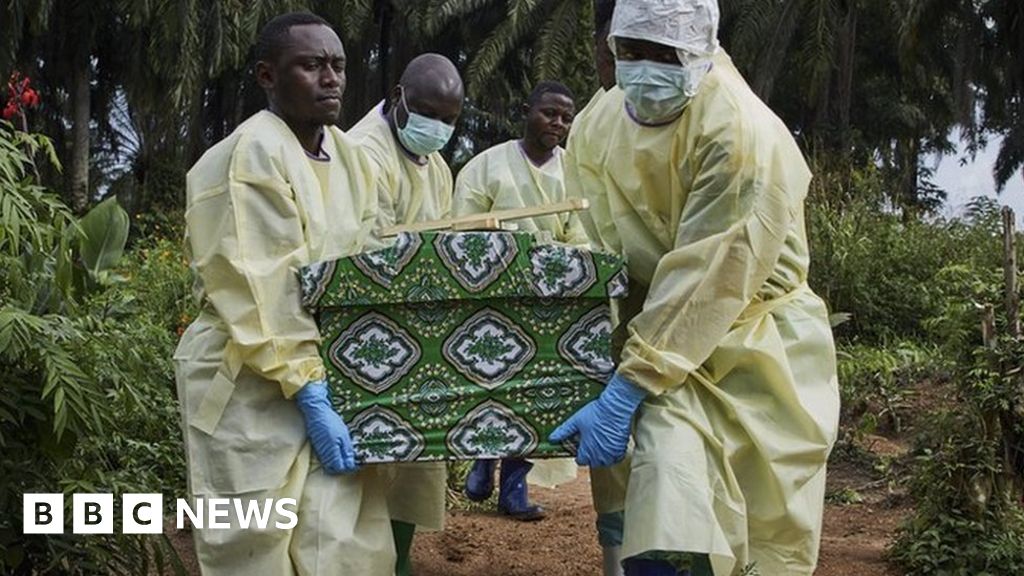
One of the most dangerous drivers of Ebola transmission in the DRC is the practice of traditional burials. According to Reuters, the investigation into the outbreak has highlighted the role of funerals, specifically mentioning the danger of “cracked coffins” and direct contact with the deceased.
Ebola remains highly infectious in the bodies of the deceased. During traditional funerals, family members often wash, touch, and kiss the body of the departed. If the coffin is cracked or if the body is not handled with strict biohazard protocols, the virus can easily jump to the mourners. This often leads to “super-spreader” events, where a single funeral can result in dozens of new infections.
The conflict between cultural traditions and medical necessity is a major hurdle. Health organizations have attempted to introduce “Safe and Dignified Burials” (SDBs), which allow for some cultural rituals while ensuring the body is handled by trained professionals in full PPE. However, these interventions are sometimes viewed with suspicion by local communities, who may see them as an affront to their ancestors or a government attempt to steal the bodies.
Key risks during funerals include:
- Direct Contact: Touching the skin or bodily fluids of the deceased.
- Environmental Contamination: Contact with linens or clothing used by the patient.
- Crowding: Large gatherings of mourners in close proximity, facilitating the spread if any attendee is already asymptomatically infected.
What is the wider impact of the Ebola spread in the DRC?
The rise to 710 cases is not occurring in a vacuum. The DRC is currently grappling with various security and political challenges that exacerbate the health crisis. When Ebola spreads into new areas, as reported by Al Jazeera, it often intersects with regions experiencing instability. This makes it nearly impossible for health workers to operate safely.
The economic impact is also severe. Even without an official lockdown, the fear of the virus can stifle local trade. Farmers may be unable to bring their produce to market, and traders may avoid affected provinces. This leads to food insecurity, which in turn weakens the immune systems of the population, making them more susceptible to the virus.
Furthermore, the diversion of medical resources to fight Ebola often leaves other health crises unattended. Routine vaccinations for measles or polio may be paused, and treatment for malaria—the leading cause of death in the region—may be interrupted. This creates a secondary health crisis where more people may die from preventable diseases than from Ebola itself.
For a related explainer on Ebola transmission, see the detailed breakdown of viral zoonosis and human-to-human spread.
Frequently Asked Questions
How many Ebola cases are currently reported in the DR Congo?
According to Xinhua, the number of Ebola cases in the Democratic Republic of Congo has risen to 710. This is an increase from earlier reports, such as those from Ars Technica, which cited 676 cases.
Is there a lockdown in place in the DRC due to Ebola?
No. According to Xinhua, government authorities have officially denied rumors that a lockdown is being implemented to control the outbreak.
Why are people avoiding public hospitals for Ebola treatment?
Yahoo News Canada reports that patients are shunning public hospitals and opting for private clinics. This is often due to a lack of trust in government facilities and a fear of the strict isolation protocols used in public treatment centers.
How do funerals contribute to the spread of Ebola?
Reuters reports that traditional funeral practices, including direct contact with the body and the use of damaged coffins, facilitate the transmission of the virus, as the deceased remain highly infectious.
What is “patient zero” and why is it important to find them?
Patient zero is the first person infected in an outbreak. As reported by Reuters, finding this individual helps health officials determine the source of the virus and understand the transmission chain to prevent further spread.
The current situation in the DRC remains volatile. With the virus moving into new territories and public trust in health institutions wavering, the trajectory of the outbreak depends heavily on the ability of health workers to integrate medical protocols with local cultural sensitivities. The transition of patients to private clinics remains a primary concern for epidemiologists, as it obscures the true scale of the infection and hinders the effort to locate the index case and break the chain of transmission.
