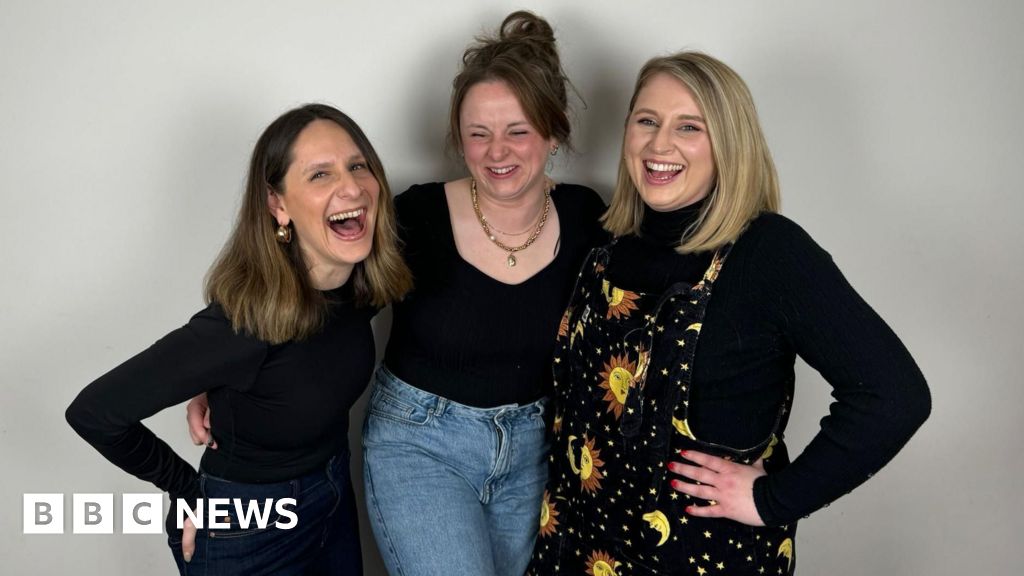
Sisters Meet for First Time After Discovering They Have the Same Sperm Donor Dad – BBC
Two women have reunited after discovering they share the same biological father through a sperm donor, a discovery facilitated by modern DNA tracing. This meeting highlights the growing number of donor-conceived individuals seeking biological kin as genetic testing becomes more accessible, according to reports detailing the encounter.
The reunion occurred after the women identified a genetic match through a commercial DNA testing service. This discovery revealed that they were half-sisters, both conceived via the same anonymous donor. The event underscores a broader trend where the veil of anonymity in the fertility industry is being lifted by consumer genomics, often without the consent or prior knowledge of the donors involved.
How did the sisters discover their biological connection?
The process began with the use of direct-to-consumer (DTC) DNA kits. According to the accounts of the sisters, one of the women uploaded her genetic data to a database to explore her ancestry. The platform’s matching algorithm identified a close genetic relative, which led to the realization that they shared a father.
This method of discovery bypasses traditional clinic records. For decades, many sperm banks operated under strict anonymity protocols, promising donors that their identities would remain secret. However, the rise of platforms like AncestryDNA and 23andMe has rendered these promises functionally obsolete. When a donor’s relative—such as a cousin or a sibling—uploads their DNA, the donor’s genetic profile becomes “discoverable” by anyone sharing those markers, including donor-conceived children.
Key milestones in their discovery included:
- Initial DNA Testing: One sister took a commercial test to find ancestral roots.
- The Match: The database flagged a “close family” match, indicating a sibling or parent relationship.
- Verification: Communication between the two women confirmed their shared history of donor conception.
- The Meeting: The sisters arranged a face-to-face meeting to establish a relationship.
What are the legal and ethical implications of shared sperm donors?
The case of these sisters meeting for the first time after discovering they have the same sperm donor dad – BBC reflects a complex legal landscape regarding donor limits. In many jurisdictions, there are regulations intended to prevent “over-use” of a single donor to avoid the risk of accidental consanguinity—where half-siblings unknowingly meet and reproduce.
In the United Kingdom, the Human Fertilisation and Embryology Authority (HFEA) manages these regulations. According to HFEA guidelines, there are limits on the number of families a single donor can assist. However, these rules have evolved over time. Older donations often occurred under less stringent limits, leading to larger groups of half-siblings than are permitted under current standards.
“The shift from anonymous to open-identity donation represents a fundamental change in the rights of the child versus the privacy of the donor.”
Ethical debates center on the “right to know” one’s biological origins. Advocates for donor-conceived people argue that genetic identity is a basic human right. Conversely, some donors argue that the legal contracts they signed for anonymity should be upheld, even in the face of technological advancement.
Comparison of Donor Models
| Feature | Anonymous Donation | Open-Identity Donation |
|---|---|---|
| Donor Privacy | Legally protected anonymity | Identity revealed at age 18 |
| Child’s Access | No access to identity | Right to request identity |
| DNA Testing Impact | High risk of accidental discovery | Low risk; identity already available |
| Legal Framework | Older, traditional models | Modern, transparency-based laws |
Why does this reunion matter for the donor-conceived community?
For many donor-conceived individuals, the discovery of siblings is not merely a curiosity but a critical part of identity formation. Psychologists often refer to the feeling of missing biological information as “genealogical bewilderment.” This state describes the confusion and sense of loss experienced by people who do not know their genetic heritage.

The reunion of these sisters provides a blueprint for others navigating similar paths. It demonstrates that the emotional payoff of finding biological family can outweigh the anxiety of the initial search. However, it also highlights the unpredictability of these encounters. Not every reunion is positive; some donor-conceived people find that their biological parents or siblings are unwilling to form a relationship.
The implications for the wider community include:
- Validation of Experience: Public stories validate the feelings of those who feel “incomplete” without knowing their biological origins.
- Pressure on Clinics: Increased demand for clinics to move toward “open-book” policies.
- Support Networks: The growth of online forums and support groups for “donor-siblings.”
For more information on the psychological aspects of this journey, readers may find a related explainer on genealogical bewilderment helpful.
How has DNA technology changed the concept of family?
The ability of sisters to meet for the first time after discovering they have the same sperm donor dad – BBC is a direct result of the democratization of genetic sequencing. In the past, DNA tests were expensive, medical-grade procedures requiring a doctor’s order. Today, they are consumer products sold in pharmacies and online.
This shift has created “found families” based on biology rather than upbringing. It challenges the traditional definition of kinship, which was historically based on shared households and legal ties. Now, a person can discover they have dozens of half-siblings across the globe, creating a sprawling, non-traditional family tree.
This technological leap has several consequences:
- The End of Secrecy: Genetic secrets are becoming nearly impossible to keep. Even if a donor never takes a test, their children or grandchildren might, revealing the donor’s identity through “triangulation.”
- Medical Insights: Finding biological siblings allows donor-conceived people to access critical health data. If a sibling discovers a hereditary condition, the other can be screened for the same risk.
- Identity Reconstruction: Individuals can fill in the gaps of their personal history, understanding where their physical traits and personality quirks originate.
What are the common misconceptions about sperm donor siblings?
There are several myths surrounding the experience of sharing a donor. One common misconception is that donor-conceived people automatically feel a deep, instant bond with their half-siblings. In reality, the bond varies. Some feel an immediate “soul connection,” while others feel a sense of curiosity without a strong emotional tie.

Another misconception is that the number of children per donor is always small. Depending on the era and the country of donation, some donors have fathered hundreds of children. This creates a complex social dynamic when these individuals begin to find each other via DNA databases.
Correcting these views requires an understanding of the diversity of the donor experience:
- Not all reunions are “happy endings”: Some lead to conflict or disappointment.
- Biology is not destiny: Shared genetics do not guarantee shared values or personalities.
- The “Donor” is not always a “Father”: Many donor-conceived people distinguish between their biological progenitor (the donor) and their emotional father (the parent who raised them).
What happens when donors wish to remain anonymous?
The tension between a donor’s desire for privacy and a child’s desire for identity is the central conflict in these stories. Many donors provided their genetic material under the legal guarantee that they would never be contacted. They may have started new families and do not wish to disrupt their current domestic lives with the arrival of biological children they never knew existed.
However, the legal landscape is shifting. In many countries, the law is moving toward the child’s right to know. Even where the law protects the donor, the technology does not. A donor cannot “delete” their DNA from the genes of their children. If a child takes a test, the donor’s identity is potentially exposed.
This has led to a rise in “donor-conceived” advocacy groups that lobby for laws requiring all clinics to maintain reachable records for donors, ensuring that the process is handled through a professional intermediary rather than a surprise notification from a DNA website.
For those interested in the legal side of this, a related explainer on fertility law changes provides further context.
Frequently Asked Questions
Can I find my sperm donor siblings using a DNA kit?
Yes, it is possible. By using services like AncestryDNA or 23andMe and uploading the results to third-party databases like GEDmatch, users can find people who share significant amounts of DNA. If the match is a “half-sibling” (sharing approximately 25% of DNA), it is a strong indicator of a shared parent.
Is there a limit to how many children one sperm donor can have?
Limits vary by country and time period. In the UK, the HFEA sets limits to prevent accidental consanguinity. In the US, regulations are less centralized, and some older donors may have fathered a significantly higher number of children than is currently recommended by medical ethics boards.
What is the legal status of a sperm donor’s obligations to their children?
In most jurisdictions, when a donor provides material through a licensed clinic, they are legally absolved of all parental responsibilities, including child support. However, this varies for “private” or “informal” donations, where the donor may be legally recognized as the father.

Do all donor-conceived people want to find their biological siblings?
No. Some individuals are perfectly content with the family that raised them and have no interest in their genetic origins. The decision to seek out biological kin is deeply personal and varies based on individual needs and family dynamics.
What should I do if I discover I have donor siblings?
Experts suggest proceeding with caution and empathy. It is often helpful to communicate via email or letters first to establish boundaries and expectations before meeting in person. Some people find it useful to speak with a therapist specializing in donor conception to process the emotional impact.
The evolving nature of biological identity
The story of sisters meeting for the first time after discovering they have the same sperm donor dad – BBC is a snapshot of a larger societal shift. We are moving from an era of “clinical secrets” to an era of “genetic transparency.” This transition is not without pain; it involves the dismantling of old agreements and the navigation of complex emotions.
As genetic testing becomes cheaper and more ubiquitous, the “surprise” reunion will likely become a common occurrence. The challenge for society, clinics, and legal systems is to create a framework that respects the privacy of donors while honoring the identity rights of the children. The focus is shifting toward supporting the emotional journey of these discoveries, ensuring that when half-siblings find each other, they have the tools and support to build healthy, sustainable relationships.
The intersection of biotechnology and family law continues to evolve, suggesting that the definition of “family” will continue to expand, incorporating biological connections that were once hidden by a clinic’s filing cabinet.
