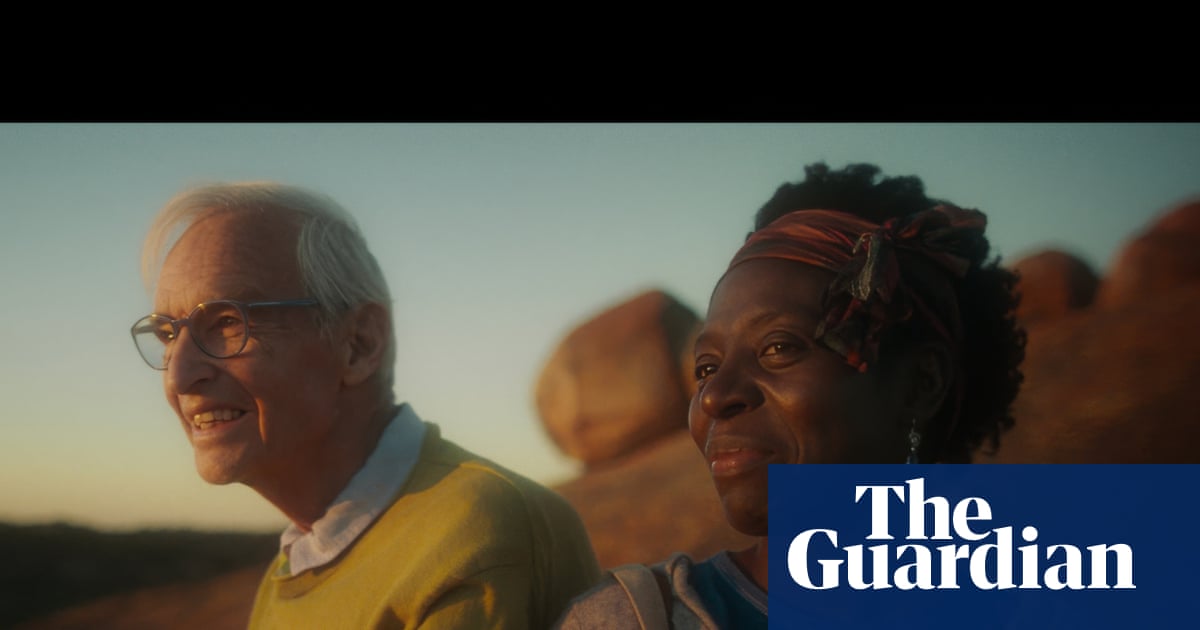
TV Tonight: Jon Snow Defies Alzheimer’s in the Most Moving Way Imaginable
Former Channel 4 News anchor Jon Snow discusses his diagnosis and life with Alzheimer’s disease in the new documentary Jon Snow: A Last Big Story. According to reports from The Independent and The Guardian, Snow uses the film to challenge traditional narratives of dementia, emphasizing a life of dignity and purpose over the concept of inevitable decline.
What is the focus of Jon Snow: A Last Big Story?
The documentary Jon Snow: A Last Big Story serves as a public record of the veteran journalist’s experience with Alzheimer’s. Rather than focusing solely on the medical progression of the disease, the film highlights Snow’s determination to remain active in his professional calling. According to The Independent, the project demonstrates that Snow is “still getting the scoop,” applying his journalistic instincts to the study of his own cognitive condition.
The film aims to shift the public perception of dementia. While many accounts of Alzheimer’s focus on the loss of identity, Snow’s narrative focuses on the persistence of the self. The Independent reports that for Snow, the experience is “not about decline – it’s about dignity and purpose.”
Key themes explored in the documentary include:
- The persistence of professional identity: How a career spent seeking truth influences the way one processes a terminal diagnosis.
- The reframing of “loss”: Moving the conversation from what is being taken away to what can still be achieved.
- The visibility of dementia: Using a high-profile platform to humanize a condition that often leads to social isolation.
How is Jon Snow challenging the narrative of Alzheimer’s?
Jon Snow’s approach to his diagnosis contrasts with the typical clinical or tragic framing of Alzheimer’s disease. According to The Guardian, Snow “defies” the expectations of the disease by maintaining a level of agency and public engagement that is rarely seen in dementia patients.
The core of this defiance lies in the rejection of the “decline” label. While medical definitions of Alzheimer’s focus on the deterioration of cognitive functions, Snow’s perspective, as reported by Magzter and The Independent, prioritizes the maintenance of dignity. By continuing to work and document his journey, he argues that a diagnosis does not immediately strip an individual of their purpose.
“It’s not about decline – it’s about dignity and purpose.” — Reported by The Independent.
This perspective provides a counter-narrative to the “tragedy” trope often found in media coverage of dementia. Instead of portraying himself as a victim of a biological process, Snow positions himself as a reporter covering a challenging beat: his own life.
What has Jon Snow said about mortality and fear?
In discussions regarding his health and the future, Snow has adopted a stance of pragmatic acceptance. According to The Times, Snow stated plainly, “I don’t fear death.” This admission marks a significant departure from the fear and anxiety typically associated with the loss of cognitive faculties.
This lack of fear appears linked to his commitment to living with purpose in the present. By focusing on the “Last Big Story,” Snow transforms the end of his life into a final professional assignment. This framing allows him to maintain a sense of control, treating the progression of Alzheimer’s as a subject to be analyzed rather than a fate to be feared.
The following table outlines the contrast between traditional dementia narratives and the approach taken by Jon Snow in his recent public appearances:
| Traditional Narrative | Jon Snow’s Approach |
|---|---|
| Focus on cognitive decline and loss | Focus on dignity and continued purpose |
| Patient as a passive recipient of care | Patient as an active reporter of their experience |
| Avoidance or fear of the end-of-life process | Explicit statement of not fearing death |
| Withdrawal from professional identity | Integration of diagnosis into professional work |
Why does this documentary matter for dementia awareness?
The public disclosure of Alzheimer’s by a figure as prominent as Jon Snow provides significant “information gain” for the general public’s understanding of the disease. Most public figures who reveal dementia diagnoses do so after the condition has progressed significantly, often through a family spokesperson. Snow’s decision to lead the narrative himself while still capable of reporting is a rare occurrence in the media.
According to The Telegraph, the documentary is part of a broader schedule of programming that highlights human resilience, appearing alongside other biographical works. By placing his struggle within the context of a “big story,” Snow validates the experiences of millions of people living with dementia who wish to be seen as more than their diagnosis.
The implications of this approach include:
- Reducing Stigma: Seeing a respected intellectual figure navigate Alzheimer’s helps strip away the shame often associated with memory loss.
- Encouraging Early Dialogue: Snow’s openness may encourage others to seek diagnoses and discuss their wishes for care and dignity while they still have the agency to do so.
- Redefining “Quality of Life”: The film suggests that quality of life is not defined by the absence of disease, but by the presence of purpose.
For those interested in the intersection of health and public policy, this story mirrors broader movements in patient-led research and advocacy, where the “expert by experience” takes center stage over the clinical observer.
The journalistic legacy of Jon Snow
To understand why A Last Big Story is significant, one must consider the career of the man behind it. Jon Snow spent decades as the face of Channel 4 News, known for his rigorous interviewing style and commitment to impartial, hard-hitting journalism. His career was built on the ability to synthesize complex information and hold power to account.
Applying these same skills to Alzheimer’s is a meta-commentary on the nature of truth. In his previous work, Snow sought the truth about global conflicts and political scandals. Now, as reported by The Independent, he is seeking the truth about the degradation of the human mind. The “scoop” he is chasing is no longer a political secret, but the reality of the human condition under the pressure of neurodegeneration.
This transition from reporting on the world to reporting on the self represents a final act of journalistic inquiry. It transforms the documentary from a simple health update into a piece of investigative work on the nature of existence and memory.
Common misconceptions about Alzheimer’s addressed by the film
The documentary implicitly corrects several common myths regarding dementia. A primary misconception is that a person with Alzheimer’s ceases to be “themselves” immediately upon diagnosis. Snow’s continued ability to communicate, reflect, and work contradicts the idea that the personality is instantly erased.
Another misconception is that life with dementia is a void of activity. By framing his experience as a “story” to be told, Snow demonstrates that cognitive impairment does not preclude intellectual engagement or the ability to contribute to public discourse. According to the framing in The Guardian and The Independent, the focus is shifted from what is lost to what remains.
Related explainer on the stages of Alzheimer’s disease may provide further clinical context to the experiences Snow describes.
Frequently Asked Questions
What is the name of the Jon Snow documentary about Alzheimer’s?
The documentary is titled Jon Snow: A Last Big Story. It documents his life following his diagnosis with Alzheimer’s disease and his efforts to maintain dignity and purpose.
When did Jon Snow reveal he has Alzheimer’s?
While the specific date of diagnosis is a private medical matter, the revelation has been centered around the release and promotion of his new documentary, as reported by outlets including The Telegraph and The Guardian.
How does Jon Snow view his diagnosis?
According to reports from The Independent and The Times, Snow does not view his condition solely as a decline. He emphasizes “dignity and purpose” and has stated that he does not fear death.
Is Jon Snow still working?
Yes, The Independent reports that Snow is “still getting the scoop,” using his journalistic skills to document his experience with the disease for his new film.
Where can I watch Jon Snow: A Last Big Story?
The film is part of the television schedule as noted by The Telegraph; viewers should check local listings for the specific broadcast time on the network airing the documentary.
The legacy of Jon Snow’s career has always been defined by a refusal to shy away from uncomfortable truths. In documenting his journey with Alzheimer’s, he applies that same rigor to the most personal story of his life, providing a blueprint for how to face cognitive decline with intellectual curiosity and an unwavering sense of self.
