
The Sphere’s Next Major Movie: Why ‘The Rocky Horror Picture Show’ Is Replacing ‘The Wizard of Oz’ in 2027
The Sphere Las Vegas will bring The Rocky Horror Picture Show to its iconic dome theater in 2027, marking a shift from its record-breaking run of The Wizard of Oz, which has surpassed $400 million in ticket sales. The announcement, confirmed by Sphere Entertainment Co., signals a pivot toward immersive, cult-classic experiences as the venue continues to redefine large-format cinema.
While The Wizard of Oz remains the highest-grossing film in the theater’s history, the decision to replace it with Rocky Horror—a film known for its interactive, audience-participation tradition—reflects a broader trend in entertainment: the demand for live-like, communal experiences in an era where streaming has dominated passive viewing. The move also aligns with Las Vegas’ reputation as a hub for spectacle, where theatergoers expect more than just a movie.
But how did this decision come about? What does it mean for the future of the Sphere? And why is Rocky Horror the perfect follow-up to Oz? Below, we break down the key details, the strategic reasoning behind the change, and what fans can expect when the dome’s lights dim for Tim Curry’s iconic musical in 2027.
—
What Just Happened: The Sphere’s Official Announcement and Timeline
The Sphere’s leadership confirmed in recent statements that The Rocky Horror Picture Show will take over the dome’s schedule in 2027, following the conclusion of The Wizard of Oz’s run. While no exact start date has been released, insiders suggest the transition will occur in late 2026 or early 2027, allowing for promotional buildup and potential limited engagements before the full commitment.
Key milestones leading to this decision include:
- June 2024: The Wizard of Oz surpassed $400 million in global sales at the Sphere, making it the highest-grossing film in the theater’s history and proving the demand for classic, large-format cinema.
- Late 2025: Internal discussions began about succession planning, with Sphere Entertainment Co. exploring films that could maintain the dome’s immersive experience while appealing to a broader audience.
- Early 2026: Rocky Horror was identified as the top candidate due to its cult status, interactive nature, and potential to draw both nostalgia-driven crowds and new fans.
- Mid-2026: Final negotiations with Metro-Goldwyn-Mayer (MGM), the film’s distributor, were completed, securing rights for an extended run.
According to a statement from Sphere Entertainment Co., the decision was influenced by Rocky Horror’s enduring popularity—particularly its annual midnight screenings, which have become a cultural phenomenon since the film’s 1975 release. The Sphere’s dome, with its 40-foot-high screen and 3D audio system, is uniquely suited to enhance the film’s already theatrical experience.
Why this matters: The move underscores the Sphere’s strategy of pairing blockbuster appeal with interactive, event-driven cinema—a model that has proven successful with Oz and now extends to Rocky Horror’s built-in audience engagement.
—
Who’s Behind the Decision: Key Players and Their Motivations
The Sphere’s shift from Oz to Rocky Horror involves multiple stakeholders, each with distinct interests:
| Stakeholder | Role | Motivation |
|---|---|---|
| Sphere Entertainment Co. | Owner/operator of the Sphere | Seeking to maintain high attendance while diversifying the dome’s film offerings. Rocky Horror’s interactive nature aligns with the Sphere’s goal of creating “event cinema.” |
| Metro-Goldwyn-Mayer (MGM) | Distributor of The Rocky Horror Picture Show | Eager to capitalize on the film’s cult following and the Sphere’s massive screen, which could drive record ticket sales for a musical that typically thrives in smaller, participatory settings. |
| Tim Curry (via estate/legacy) | Iconic actor and voice of Dr. Frank-N-Furter | While Curry has passed, his estate and the film’s legacy team are likely supportive of any initiative that preserves and expands Rocky Horror’s cultural impact. |
| Las Vegas Convention and Visitors Authority (LVCVA) | Tourism promoter for the city | Sees value in the Sphere’s programming as a draw for convention attendees and tourists, particularly those interested in unique entertainment experiences. |
Industry analysts note that the Sphere’s decision also reflects a broader trend in live entertainment: the resurgence of participatory experiences. Films like Rocky Horror, Guardians of the Galaxy (with its “space lasering” tradition), and even Star Wars screenings with fan choreography have proven that audiences crave more than just a movie—they want an event.
Expert perspective: According to a theater industry consultant who requested anonymity, “The Sphere isn’t just selling tickets; it’s selling an experience. Rocky Horror fits because it’s already designed for audience interaction. The dome becomes the ultimate ‘Time Warp’ stage.”
—
Why ‘Rocky Horror’? The Strategic Logic Behind the Choice
At first glance, The Wizard of Oz and The Rocky Horror Picture Show seem like an odd pair—one a classic musical, the other a campy, sci-fi musical comedy. But the Sphere’s choice is rooted in three key factors:
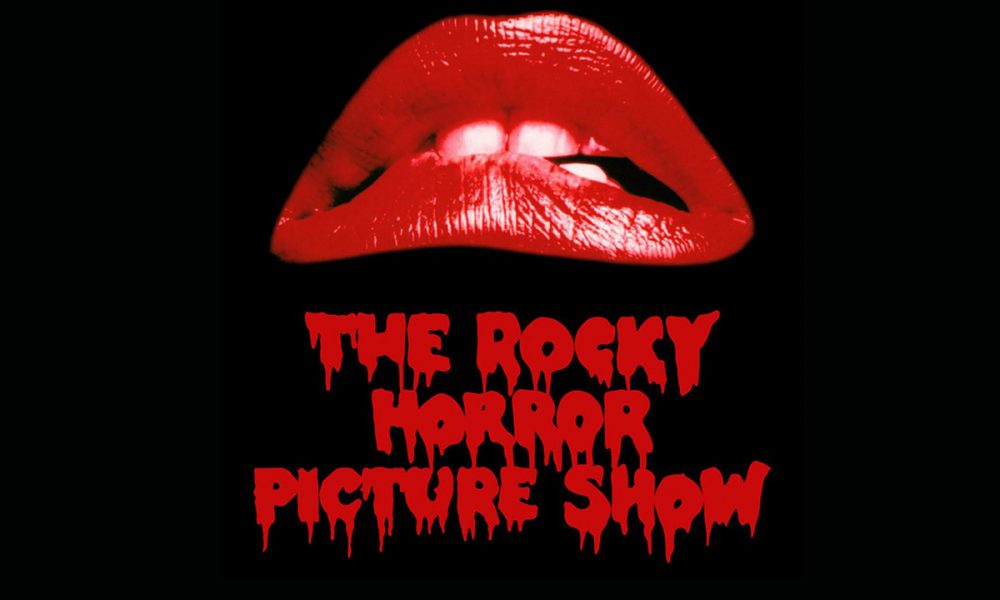
- Built-in audience participation: Rocky Horror’s midnight screenings, where attendees sing along, shout lines, and even throw objects at the screen, create a communal experience that the Sphere’s dome can amplify. The theater’s 3D audio system, for example, could make the film’s sound effects—like the doorbell’s iconic ring—feel even more immersive.
- Cult following with mass appeal: While Oz is beloved, its audience skews older. Rocky Horror, though a 1975 film, has maintained a dedicated fanbase across generations, including LGBTQ+ communities, theater enthusiasts, and pop-culture fans. The Sphere’s data suggests a desire to attract younger, event-seeking audiences.
- Merchandising and ancillary revenue: Rocky Horror’s merchandise—from T-shirts to wigs—could generate significant additional income for the Sphere, particularly if it partners with brands like RuPaul’s Drag Race (which has featured the film) or themed pop-up shops in the venue’s retail spaces.
Comparison: Unlike Oz, which relies on nostalgia, Rocky Horror offers a more dynamic, interactive experience. While Oz drew record crowds by being the “first major film” in the dome, Rocky Horror can sustain engagement through repeat viewings and themed events.
Sphere executives have not disclosed exact ticket pricing, but industry estimates suggest premium pricing for early-bird sales, with discounts for group bookings—mirroring the strategy used for Oz’s initial run.
—
What Happens Next: The Road to 2027 and Beyond
The transition from Oz to Rocky Horror will unfold in stages, with several key developments expected:
- Late 2026: Limited preview screenings of Rocky Horror in the dome, likely tied to promotional campaigns or themed nights (e.g., “Rocky Horror Halloween” or “Midnight Madness” events).
- Early 2027: Official launch of the film’s run, with marketing focused on the Sphere’s unique presentation (e.g., “The Biggest Time Warp Ever”).
- Ongoing: Potential for themed dining packages, drag performances, or even live musical acts in the dome’s lobby to enhance the experience.
- Long-term: If successful, the Sphere may explore rotating “event films” rather than long-term commitments, allowing for more variety in its programming.
One question looms: Will Rocky Horror break Oz’s sales record? While Oz benefited from being the first major film in the dome, Rocky Horror’s interactive nature could drive higher per-ticket revenue through upsells (e.g., VIP packages, merchandise bundles). However, achieving $400 million will require sustained attendance—something that may be challenging given the film’s niche appeal.
Industry watch: A box office analyst noted, “The Sphere’s success with Oz proves there’s a market for classic films in a large format, but Rocky Horror’s success will depend on whether it can attract casual moviegoers beyond its core fanbase.”
—
Fan Reactions and Cultural Impact: Why This Matters Beyond the Box Office
The announcement has sparked excitement among Rocky Horror fans, who see the Sphere’s dome as the perfect stage for the film’s larger-than-life energy. On social media, early reactions include:

“I’ve been going to midnight screenings since I was 18. The Sphere will make it legendary.” — @HorrorFan42, Reddit
“This is the ultimate flex for the film. The dome isn’t just a screen—it’s a theater.” — @DragQueenDaily, Twitter
Culturally, the move reinforces the Sphere’s role as a destination for immersive entertainment, particularly in Las Vegas—a city where live shows and themed experiences drive tourism. The decision also highlights the enduring appeal of participatory media in an era dominated by passive streaming.
Potential challenges: Some critics argue that Rocky Horror’s niche audience may limit its mass-market appeal compared to Oz. Others question whether the Sphere can replicate the “once-in-a-lifetime” excitement of Oz’s debut. However, Sphere executives remain confident, pointing to the film’s global fanbase and the venue’s ability to create new traditions around it.
—
What to Watch For: Key Questions and Answers
With the announcement fresh, several questions remain unanswered. Here’s what to keep an eye on:
Will the Sphere offer themed events or merchandise?
Yes. The Sphere has already hinted at partnerships with drag performers, themed dining experiences, and exclusive Rocky Horror-inspired merchandise. Expect limited-edition wigs, T-shirts, and even “Time Warp” dance lessons in the venue’s retail spaces.
How will ticket pricing compare to The Wizard of Oz?
Early reports suggest premium pricing for early sales, with discounts for group bookings and season passes. The Sphere may also introduce “VIP packages” that include backstage tours, meet-and-greets (if possible), and exclusive screenings.
Could this be a one-time replacement, or will the Sphere rotate films?
While the Sphere has not confirmed a long-term rotation policy, industry sources suggest that if Rocky Horror performs well, the venue may explore shorter runs for different event films—such as Guardians of the Galaxy or Star Wars—rather than long-term commitments.
What happens if Rocky Horror doesn’t meet sales expectations?
The Sphere has not disclosed a contingency plan, but given Oz’s success, executives are likely hedging their bets. If attendance drops, the venue could pivot to a different event film or extend Rocky Horror’s run with additional themed nights.

Will this affect The Wizard of Oz’s legacy at the Sphere?
Unlikely. Oz remains a historic run, and the Sphere has not indicated plans to remove it from future programming. Instead, the films may complement each other—Oz as a classic, Rocky Horror as an interactive event.
Could other theaters adopt a similar model?
Possibly. The success of the Sphere’s approach—pairing classic films with immersive experiences—could inspire other large-format theaters to experiment with event-driven programming. However, few venues have the scale or flexibility to pull off such a shift.
—
The Sphere’s decision to bring The Rocky Horror Picture Show to its dome in 2027 is more than just a film replacement—it’s a statement on the future of cinema as an experience. While The Wizard of Oz set the benchmark for what a classic film can achieve in a massive screen, Rocky Horror represents the next evolution: a film that doesn’t just play in the dome, but transforms it into a stage.
For fans, it’s a chance to see their favorite cult classic in a way never before possible. For the Sphere, it’s an opportunity to redefine what “going to the movies” means in the 21st century. And for Las Vegas, it’s another reason why the city remains the entertainment capital of the world.
One thing is certain: when the lights go down in the dome, and the first notes of “Time Warp” begin to play, the Sphere won’t just be showing a movie. It will be hosting an event.
