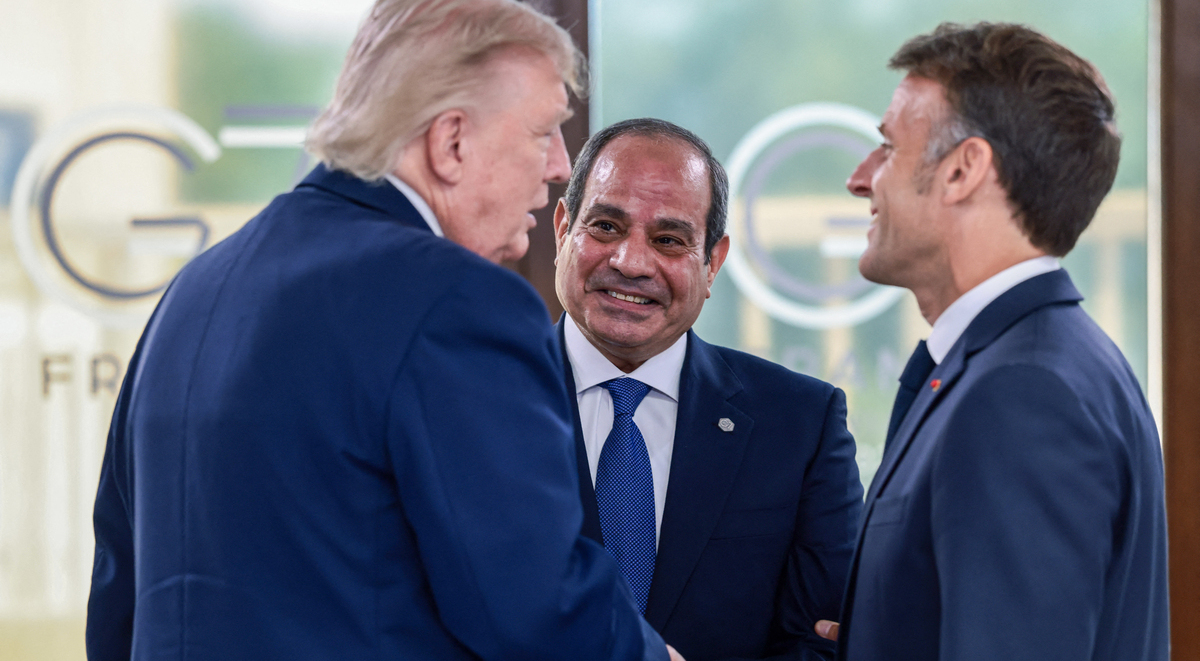
Egypt’s Sisi warns Israel against expanding control in Gaza amid regional tensions — a move that could reshape the balance of power in the Middle East as Cairo and Washington coordinate on next steps.
Egyptian President Abdel Fattah al-Sisi delivered a direct warning to Israel during the Group of Seven summit in Italy, urging Jerusalem to halt any “takeover” of Gaza, according to multiple official statements and regional media reports. The remarks come as Egypt and the United States assess the evolving crisis in the region, with Cairo positioned as a potential mediator in the conflict between Israel and Hamas.
Fast Facts
- Key demand: Sisi called on Israel to stop its “expansion” in Gaza, framing it as a threat to regional stability.
- Diplomatic venue: The warning was issued during the G7 summit in Italy, where global leaders are discussing the fallout from the Iran-Israel conflict.
- U.S. coordination: Egypt and the U.S. are examining the situation’s impact on the broader Middle East, with Cairo acting as a critical intermediary.
- Regional stakes: Egypt’s border with Gaza is a flashpoint; any Israeli military push could trigger a humanitarian crisis and destabilize the Sinai Peninsula.
Why Sisi’s intervention matters
Sisi’s intervention reflects Egypt’s deep-seated concerns over the humanitarian toll in Gaza and its strategic interests in maintaining stability along its border with the Palestinian territory. The warning aligns with Cairo’s long-standing role as a mediator in Palestinian-Israeli conflicts, but it also signals growing frustration over Israel’s military operations, which have displaced hundreds of thousands of Gaza residents and drawn international condemnation.
According to government officials and international observers, Egypt has repeatedly pressed Israel to avoid actions that could escalate the conflict further. The latest call comes as Israel’s military campaign in Gaza has intensified, with reports of advancing forces near the southern city of Rafah—a move that could trigger a mass exodus of civilians toward Egypt’s border.
Egypt’s state-run news agency cited unnamed officials stating that Cairo and Washington are “closely monitoring” the situation, with both sides emphasizing the need to prevent a broader regional spillover. The U.S., Israel’s closest ally, has not publicly commented on Sisi’s remarks, but diplomatic sources suggest private discussions are underway to de-escalate tensions.
How this fits into the Iran-Israel conflict
The warning from Sisi arrives as the Iran-Israel proxy war shows signs of spreading. Israel’s April 1 strike on an Iranian diplomatic compound in Damascus, which killed senior IRGC officers, has raised fears of a direct confrontation between Tehran and Jerusalem. Analysts note that Egypt’s push to curb Israeli actions in Gaza may also be an effort to prevent Iran from exploiting the crisis to rally regional allies against Israel.
Historically, Egypt has walked a tightrope between its alliance with Israel—rooted in the 1979 peace treaty—and its support for Palestinian statehood. The current crisis tests whether Cairo can maintain this balance while avoiding being drawn into a wider conflict. Some regional experts suggest that Sisi’s public stance could be a calculated move to assert Egypt’s influence as a neutral broker, particularly if the U.S. seeks to leverage Cairo’s relationships with Hamas and other factions in Gaza.
What happens next?
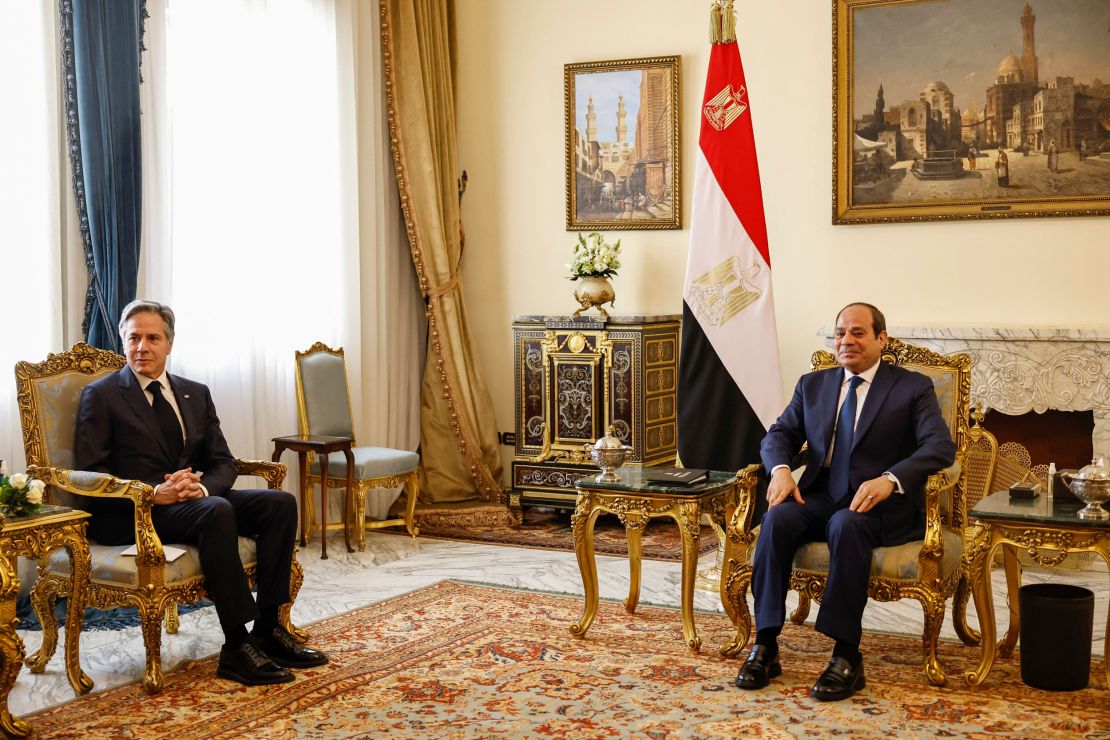
In the immediate term, Israel has not responded publicly to Sisi’s remarks, but military sources indicate that operations in southern Gaza remain a priority. Meanwhile, Egypt’s foreign ministry has convened emergency meetings with Palestinian leaders and international envoys to discuss humanitarian corridors and potential ceasefire terms. The U.S. State Department has not issued a statement, but officials are expected to engage with both Cairo and Jerusalem in the coming days.
If Israel’s advance toward Rafah continues unchecked, Egypt may face pressure to open its border to Gaza’s displaced population—a scenario that could overwhelm Sinai’s infrastructure and provoke backlash from domestic hardliners. For now, the focus remains on whether diplomatic channels can avert a deeper crisis before the situation spirals further.
