The European Union has finalized new passenger rights for air travelers after a 13-year legal battle, marking a significant shift in how airlines handle baggage fees and compensation for delays.
Key changes include mandatory free hand luggage for all passengers and stricter rules on reimbursement for delayed flights, with budget airlines now barred from charging extra for carry-on bags.
What the New Rules Mean for Travelers
Under the updated regulations, airlines operating within the EU must provide free hand luggage for all passengers, regardless of ticket class or fare type. This reverses a long-standing practice by budget carriers—including Ryanair, easyJet, and Wizz Air—that had charged fees for carry-ons, often ranging from €10 to €30 per bag.
According to regulatory filings, the changes also expand compensation for passengers affected by delays. Airlines will now face stricter obligations to refund costs incurred during long waits, such as meals, accommodation, and transport. The EU’s decision follows years of advocacy by consumer groups and legal challenges against airlines over unfair baggage policies.
How Airlines Responded—and Why It Took So Long
Budget carriers had resisted the rules for over a decade, arguing that baggage fees were essential for maintaining low fares. However, public pressure and legal actions—including a 2021 European Court of Justice ruling against Ryanair for misleading passengers—forced the issue back onto the legislative agenda.
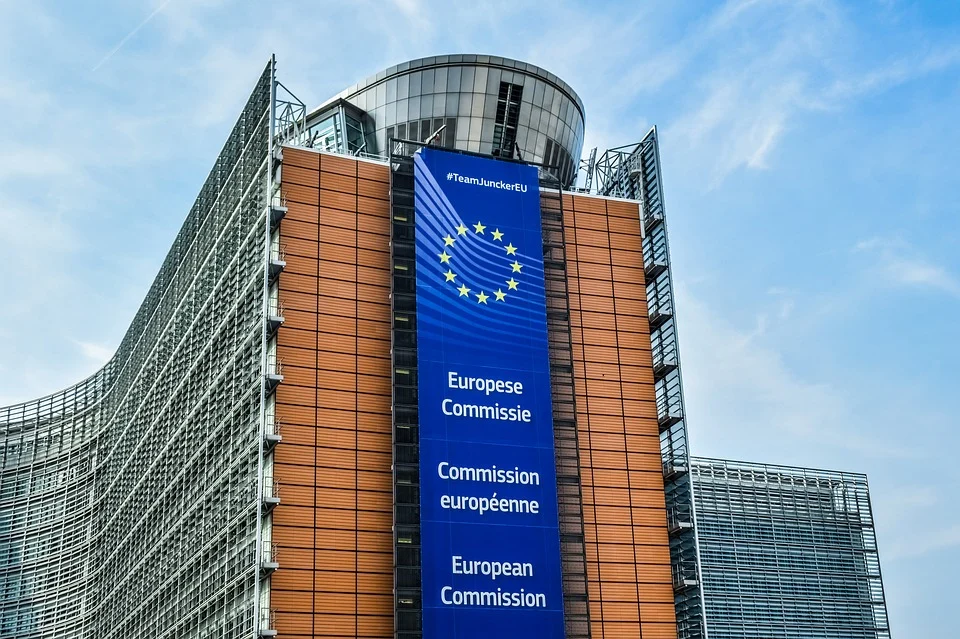
“This is a victory for fairness and transparency in air travel,” said a spokesperson for the European Commission. “Passengers should not be penalized for choosing budget flights, and delays should never leave them out of pocket.”
The new rules take effect immediately for all flights departing from EU airports, though airlines have until mid-2025 to fully align internal policies with the changes. The EU estimates the reforms will affect over 1 billion passengers annually, with budget carriers expected to absorb the largest operational adjustments.
What Happens Next for Airlines and Passengers
Industry analysts predict budget airlines will respond by either absorbing the costs into base fares or introducing new services to offset lost revenue. Some carriers, like easyJet, have already signaled plans to review pricing strategies, though no major fare hikes have been confirmed.
For passengers, the changes mean simpler travel—no surprise fees at check-in and clearer rights if flights are delayed. However, enforcement remains a challenge, as past EU passenger rights cases have shown inconsistencies in how airlines apply refunds and compensation.
One unresolved question is whether the rules will extend to non-EU flights, particularly those operated by EU-based carriers outside the bloc. The European Commission has not yet clarified this, leaving ambiguity for travelers on routes like those to the U.S. or Asia.
For now, the focus is on implementation. Airlines will need to update booking systems, crew training, and customer service protocols to comply with the new standards—a process that could take months to fully roll out.
