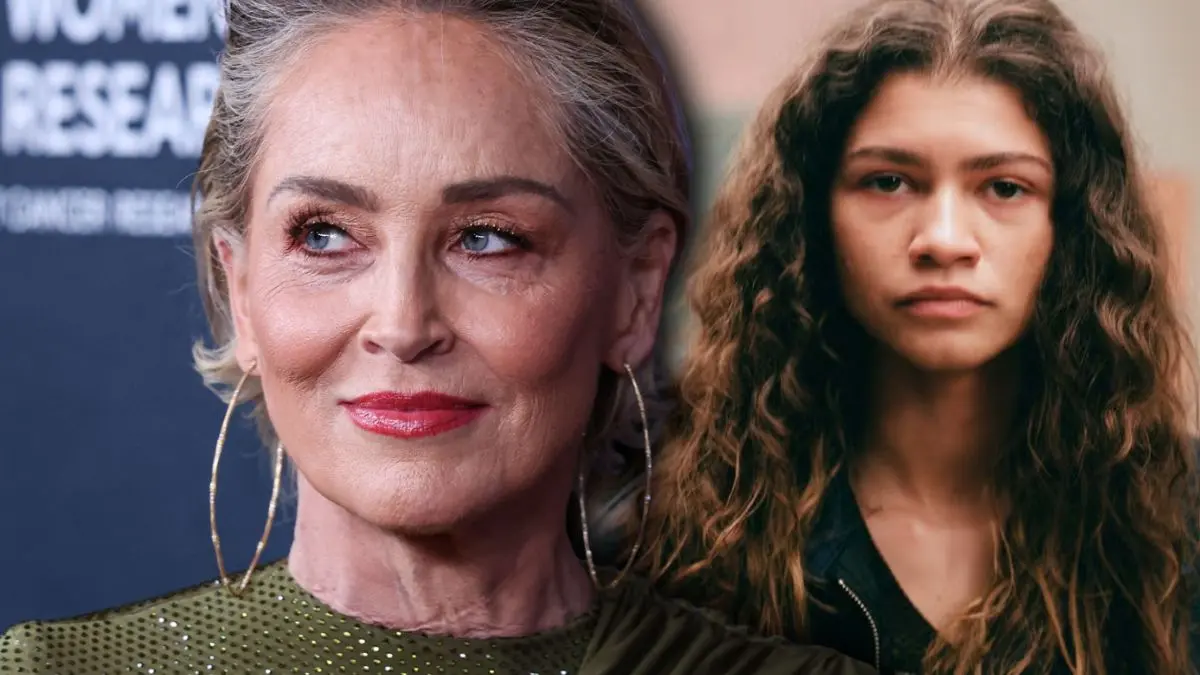
Sharon Stone Says ‘Euphoria’ Should Be Shown in Every High School – Comic Basics
In a bold assertion that has sparked immediate conversation across social media and educational circles, actress Sharon Stone has voiced a provocative opinion regarding the HBO drama Euphoria. Stone, known for her commanding presence both on screen and in public discourse, has not only labeled the series the greatest show currently on television but has gone a step further by suggesting that it should be integrated into the high school experience.
The claim—that Euphoria should be shown in every high school—comes with a broader recommendation: Stone believes that both parents and students need to watch the series together. By positioning the show as a critical tool for understanding the modern adolescent experience, Stone is challenging traditional notions of “appropriate” educational content and suggesting that the raw, often jarring depiction of teen life is exactly what is needed to bridge the communication gap between generations.
Analyzing the Claim: Why Sharon Stone Backs ‘Euphoria’ as an Educational Tool
To understand why a figure like Sharon Stone would advocate for a TV-MA rated series to be shown in a classroom setting, one must look at the thematic core of Euphoria. The show does not shy away from the darkest corners of adolescence, focusing heavily on addiction, trauma, identity, and the complexities of digital-age relationships.
Stone’s perspective suggests that the show’s value lies in its honesty. Rather than presenting a sanitized version of teenage struggle—which often characterizes traditional health or guidance counselor curricula—Euphoria presents a visceral, stylized, and often devastating look at the consequences of poor decisions and the weight of mental health struggles.
“Sharon Stone Calls This HBO Drama the Greatest Show on Television and Says Every Parent and Student Should Watch It”
By calling it the “greatest show on television,” Stone is likely referring to its ability to capture a specific cultural zeitgeist. The intersection of high-fashion aesthetics and low-bottom emotional trauma creates a tension that mirrors the lived experience of many modern teens: a polished exterior masking a chaotic interior.
The Rationale for High School Integration
The suggestion that the show be shown in every high school implies a shift toward “conversational education.” Instead of lecturing students on the dangers of substance abuse, Stone’s proposal suggests using the narrative of Euphoria as a catalyst for discussion. The goal would be to move from a top-down instructional model to a peer-to-peer and student-to-adult dialogue.
Key points regarding this educational angle include:
- Visual Literacy: Teaching students to analyze how media portrays addiction and mental health.
- Empathy Building: Using character arcs to understand the root causes of destructive behavior.
- Breaking Taboos: Normalizing conversations about sex, gender, and trauma that are often avoided in academic settings.
The Parental Component: Bridging the Generational Divide
A central pillar of Stone’s argument is that the viewing experience should not be limited to students. By stating that “every parent” should watch the show, she highlights a systemic disconnect between parents and their children in the 21st century.
For many parents, the world of today’s high schooler—defined by social media, vaping, and a heightened awareness of gender fluidity—is unrecognizable compared to their own youth. Euphoria serves as a window into this world. While the show is hyper-stylized, the emotional beats are often grounded in the reality of contemporary anxiety and isolation.
The implication is that if parents watch the show, they gain a shared vocabulary with their children. It provides a “third object”—the television screen—that allows parents and teens to discuss challenging topics without the conversation feeling like an interrogation or a lecture.
Comparing Educational Approaches to Teen Issues
To better understand the shift Stone is proposing, We see helpful to compare traditional educational methods with the “media-led” approach she advocates.
| Feature | Traditional Health/Guidance Curriculum | The ‘Euphoria’ Model (Proposed by Stone) |
|---|---|---|
| Delivery Method | Lectures, pamphlets, and standardized tests. | Narrative storytelling and emotional engagement. |
| Tone | Cautionary, prescriptive, and clinical. | Visceral, descriptive, and provocative. |
| Parental Role | Receiving reports or attending PTA meetings. | Active co-viewing and shared emotional processing. |
| Primary Goal | Risk avoidance and rule adherence. | Understanding nuance and fostering dialogue. |
The Controversy: Risks and Rewards of Provocative Media in Schools
While Sharon Stone’s suggestion is framed as a way to foster understanding, it inevitably raises significant concerns. The primary objection would be the nature of the content itself. Euphoria contains explicit depictions of drug use, nudity, and violence—elements that typically trigger censorship in school districts.
The Risk of Glamorization
Critics of the show often argue that its high-production value and “glittery” aesthetic risk glamorizing the very behaviors it seeks to critique. There is a fear that showing the series in a high school setting could inadvertently validate destructive lifestyles or make them seem “trendy” to vulnerable students.
The Reward of Radical Honesty
Conversely, proponents of Stone’s view argue that teenagers are already exposed to this content via the internet. By bringing it into a supervised, educational environment, schools can provide the necessary context and critical thinking tools to help students navigate these themes safely. The “reward” is the removal of the shame and secrecy that often surround teen struggles.
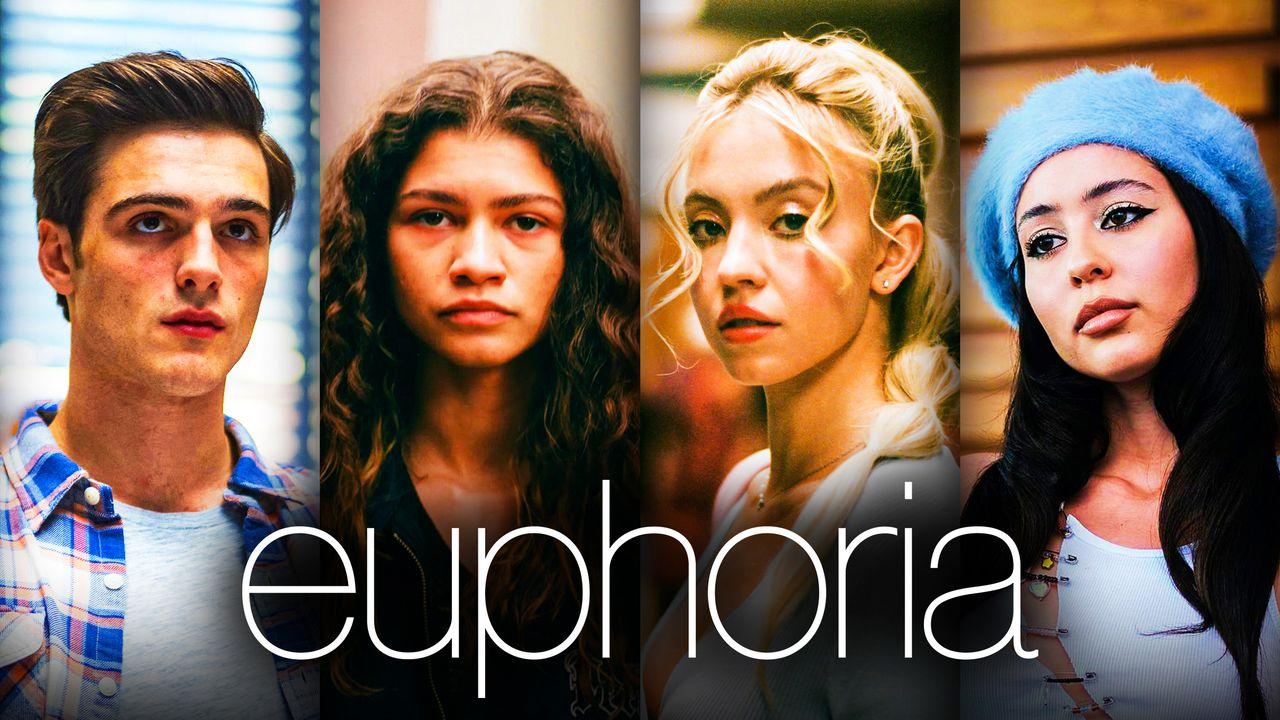
This debate mirrors long-standing discussions in literature classes regarding the use of “banned books.” Just as novels like Catcher in the Rye or The Perks of Being a Wallflower were once seen as too raw for classrooms, Stone is suggesting that Euphoria is the modern equivalent—a mirror held up to a generation that refuses to be lied to.
Broader Implications for Media and Education
Sharon Stone’s comments touch upon a larger trend in the entertainment industry where “prestige TV” is beginning to occupy the space once held by social sociology or psychology textbooks. When a show is labeled “the greatest show on television,” it is often because it captures a truth that is otherwise ignored by mainstream institutions.
If schools were to adopt a model similar to what Stone suggests, it would represent a fundamental change in how we perceive the role of art in education. It would move the classroom away from being a place of “correct answers” and toward being a place of “critical inquiry.”
For more on how contemporary media shapes youth perspectives, you might find a related explainer on teen mental health trends useful.
Potential Framework for Implementation
Should a school actually attempt to implement Stone’s suggestion, it would likely require a highly structured framework to avoid chaos or parental backlash:
- Curated Clips: Rather than showing full episodes, educators might select specific scenes that highlight a particular theme (e.g., the cycle of addiction).
- Guided Discussion: Every viewing session would be paired with a moderated debate or a journaling exercise.
- Parental Consent: A robust opt-in system ensuring parents are aware of the content and encouraged to watch it at home first.
- Professional Oversight: Integration with licensed school counselors to handle any emotional triggers the content might cause.
Misconceptions About the ‘Euphoria’ Educational Angle
It is significant to clarify a few common misconceptions regarding this topic to ensure the discussion remains grounded in reality.
:max_bytes(150000):strip_icc():focal(749x0:751x2)/sharon-stone-seth-meyers-081425-1-687b88fed1214cb4889e12b0fa86aea5.jpg "Sharon Stone interview")
Misconception 1: Stone is suggesting the show be a replacement for health class.
Actually, the suggestion is more likely that the show serves as a supplement. Narrative media provides the emotional hook, while health class provides the clinical facts. Together, they create a more holistic understanding.
Misconception 2: The show is a “how-to” guide for teen rebellion.
While some viewers may see it that way, the narrative arc of Euphoria is generally one of suffering and consequence. The characters rarely find happiness in their destructive habits; instead, they find isolation and pain.
Misconception 3: This is a call for the removal of age ratings.
Stone’s advocacy is not about ignoring ratings, but about recognizing that the content within those ratings is precisely what needs to be discussed. The rating is a warning of the intensity, but the intensity is where the lesson lies.
The Role of the Celebrity Advocate
Sharon Stone’s decision to champion Euphoria is also a reflection of her own public persona as an intellectual and an advocate for truth. By putting her name behind a controversial show, she uses her platform to challenge the “comfort” of the educational establishment.
When a celebrity of her stature calls a show “the greatest on television,” it elevates the series from mere entertainment to a cultural artifact. It forces the public to ask: Why is this show so resonant? And if it is so accurate, why are we afraid to talk about it in the places where these students spend most of their time?
This approach to celebrity advocacy—using a specific piece of media to highlight a societal failing—is a powerful tool for shifting public perception. It moves the conversation from “Is this show bad?” to “Why is the reality this show depicts so prevalent?”
Frequently Asked Questions
Why does Sharon Stone believe ‘Euphoria’ should be shown in high schools?
Stone suggests that the show’s raw and honest depiction of adolescent struggles—including addiction and mental health—can serve as a catalyst for necessary conversations between students, parents, and educators that traditional curricula often avoid.
Does Sharon Stone think parents should watch the show too?
Yes. She explicitly stated that every parent and student should watch the series, implying that it can help bridge the generational gap and provide parents with a better understanding of the challenges modern teenagers face.
Is ‘Euphoria’ actually used in schools currently?
While there is no widespread institutional mandate to show Euphoria in classrooms due to its TV-MA rating, some individual educators may use specific clips for media analysis or psychology discussions, though this remains rare and often controversial.
What are the main arguments against showing ‘Euphoria’ in schools?
The primary concerns involve the explicit nature of the content (drugs, sex, and violence) and the potential for the show’s stylized aesthetic to glamorize destructive behaviors to a vulnerable teenage audience.
What does Sharon Stone think of the show’s overall quality?
Stone has gone as far as calling Euphoria the greatest show on television, highlighting its artistic and cultural significance.
The dialogue sparked by Sharon Stone’s comments underscores a growing tension in modern education: the struggle to keep pace with the lived realities of students. Whether or not Euphoria ever becomes a staple of the high school classroom, the conversation it has triggered regarding the role of provocative art in education is a significant one. It suggests that perhaps the most effective way to protect and guide the next generation is not to shield them from the darkness, but to walk through it with them, using the media they already consume as a map.
