
Shaping Christ: The Artistic and Spiritual Journey Behind Two Iconic Temple Square Statues
A renowned sculptor recently shared insights into the creation of two prominent statues at Temple Square, detailing the intersection of artistic vision and religious devotion that defined the process. The figures, which have become central to the square’s spiritual and cultural identity, reflect decades of technical mastery and personal reflection.
What Happened and Why It Matters
The two statues—depicting scenes from Christian scripture—were commissioned as part of a broader initiative to enhance the visual and symbolic significance of Temple Square, a historic site in Salt Lake City, Utah. According to an official statement from the Church of Jesus Christ of Latter-day Saints, the project aimed to “deepen the spiritual experience for visitors through art that embodies core religious narratives.”
The sculptures, crafted over a period of several years, required meticulous planning and collaboration with religious leaders to ensure their designs aligned with theological principles. “Every detail was scrutinized to ensure it honored the sacred stories it represented,” said a church spokesperson, who emphasized the importance of accuracy in depicting biblical events.
The Artist’s Perspective
The sculptor, whose work has been featured in multiple exhibitions, described the process as both professionally demanding and spiritually transformative. “There was a constant dialogue between the physical medium and the spiritual message,” they said in an interview. “Each stroke of the chisel felt like a step toward a deeper understanding of the subject.”
While the artist declined to reveal their full name, they shared that their approach blended classical techniques with modern methodologies. “I studied the works of Renaissance masters, but I also incorporated contemporary materials to ensure the statues would withstand the elements for generations,” they explained. This balance of tradition and innovation is credited with giving the statues a timeless quality.
Historical and Cultural Context
Temple Square has long been a focal point for religious and cultural activity in the region. The area, which includes the Salt Lake Temple and the Tabernacle, has undergone multiple renovations and additions over the past century. The latest statues are part of a trend to integrate more public art into the space, making it a dynamic hub for both worshippers and tourists.
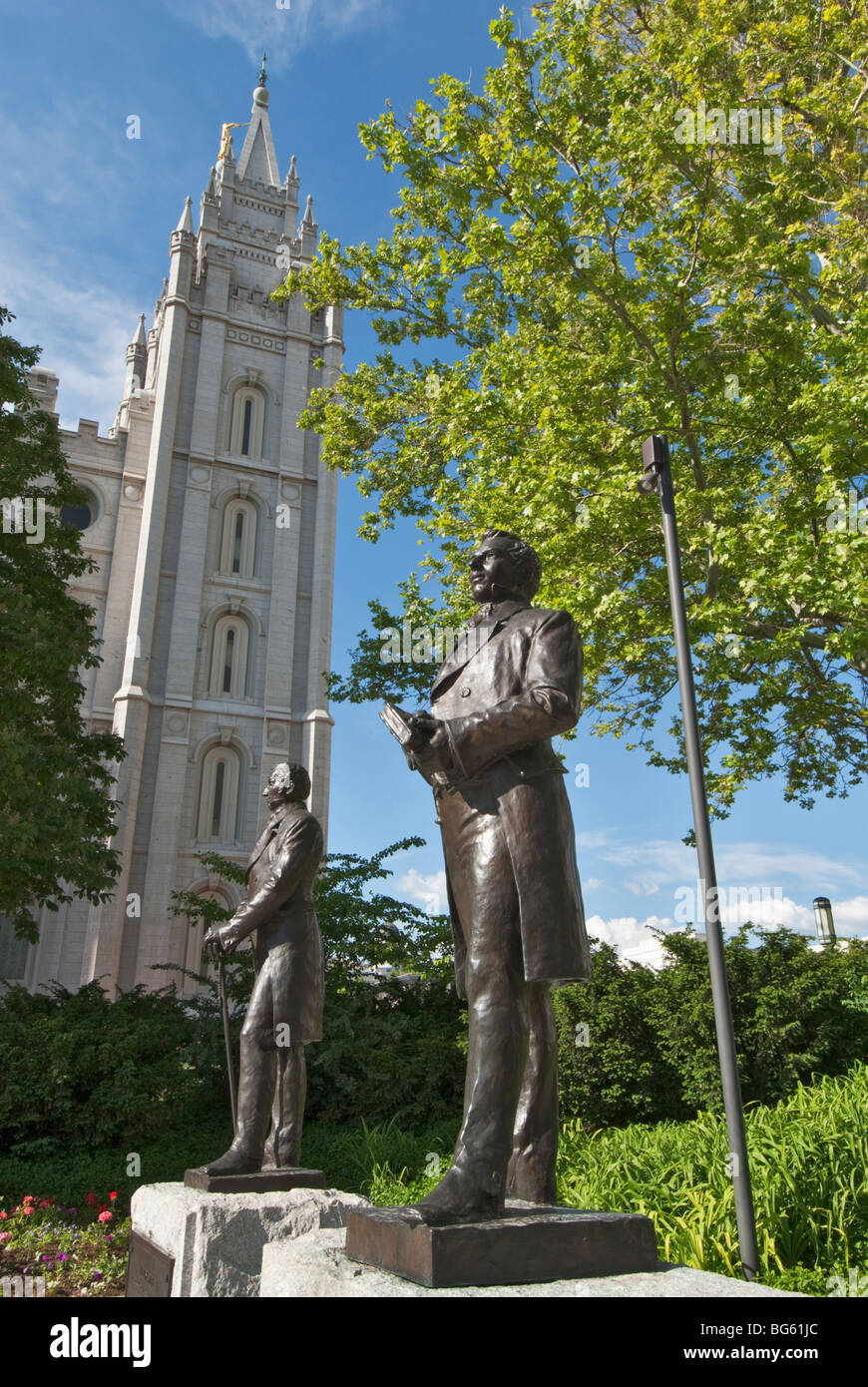
Historians note that the decision to commission new sculptures reflects broader efforts to modernize the square’s aesthetic while preserving its historical integrity. “These works serve as a bridge between the past and present,” said Dr. Emily Carter, a cultural historian at a local university. “They invite visitors to engage with the space in new ways, whether through art, faith, or heritage.”
Technical Challenges and Spiritual Reflections
The creation of the statues involved overcoming significant technical hurdles. The sculptor described the difficulty of capturing the emotional depth of the scenes while maintaining structural stability. “One of the most challenging aspects was ensuring the figures conveyed both strength and vulnerability,” they said. “It required countless iterations to get the proportions and expressions just right.”
On a personal level, the project became a journey of self-discovery. “There were moments when I questioned my own beliefs, but the act of creating the art itself became a form of prayer,” the sculptor shared. They added that the process reinforced their commitment to using their craft as a means of connecting with others on a deeper level.
Public and Religious Reactions
Since their unveiling, the statues have received widespread acclaim. Visitors have praised their ability to evoke emotion and inspire contemplation. “Walking through Temple Square, I felt a sense of peace that I hadn’t experienced before,” said one visitor, a longtime member of the church. “The statues seem to speak to something universal.”
Religious leaders have also highlighted the significance of the artwork. A bishop from a nearby congregation noted that the statues “offer a visual reminder of the teachings and values that guide our lives.” However, some critics have raised questions about the role of art in religious spaces, arguing that it should not overshadow the primary purpose of worship.
Comparisons and Broader Implications
The project has drawn comparisons to other religious art initiatives worldwide. For example, the sculptures bear similarities to the works of Michelangelo, whose David is celebrated for its anatomical precision and symbolic depth. However, the Temple Square statues are unique in their emphasis on accessibility and inclusivity, with designs intended to resonate with a diverse audience.
Experts suggest that the success of the project could influence future religious art endeavors. “This demonstrates that religious institutions can invest in public art without compromising their mission,” said Dr. Carter. “It sets a precedent for how faith communities can engage with contemporary artistic practices.”
What’s Next for the Sculptor?
While the sculptor has not announced plans for future projects, they have expressed interest in exploring new mediums. “I’m drawn to the idea of creating interactive installations that allow people to engage with the art in different ways,” they said. This could include digital elements or community-driven components that further bridge the gap between art and spirituality.
The church has also hinted at potential expansions to Temple Square. A representative mentioned that “the success of the statues has encouraged us to consider additional artistic and architectural enhancements.” However, no specific details have been released at this time.
Key Takeaways
- The two new statues at Temple Square were created through a blend of traditional sculpting techniques and modern materials.
- The artist described the process as both technically challenging and spiritually enriching, emphasizing the importance of aligning the work with religious values.
- The project has been well-received by the public and religious leaders, who see it as a successful integration of art and faith.
- Future plans for the sculptor and the church remain uncertain, but the project has set a positive precedent for religious art initiatives.
