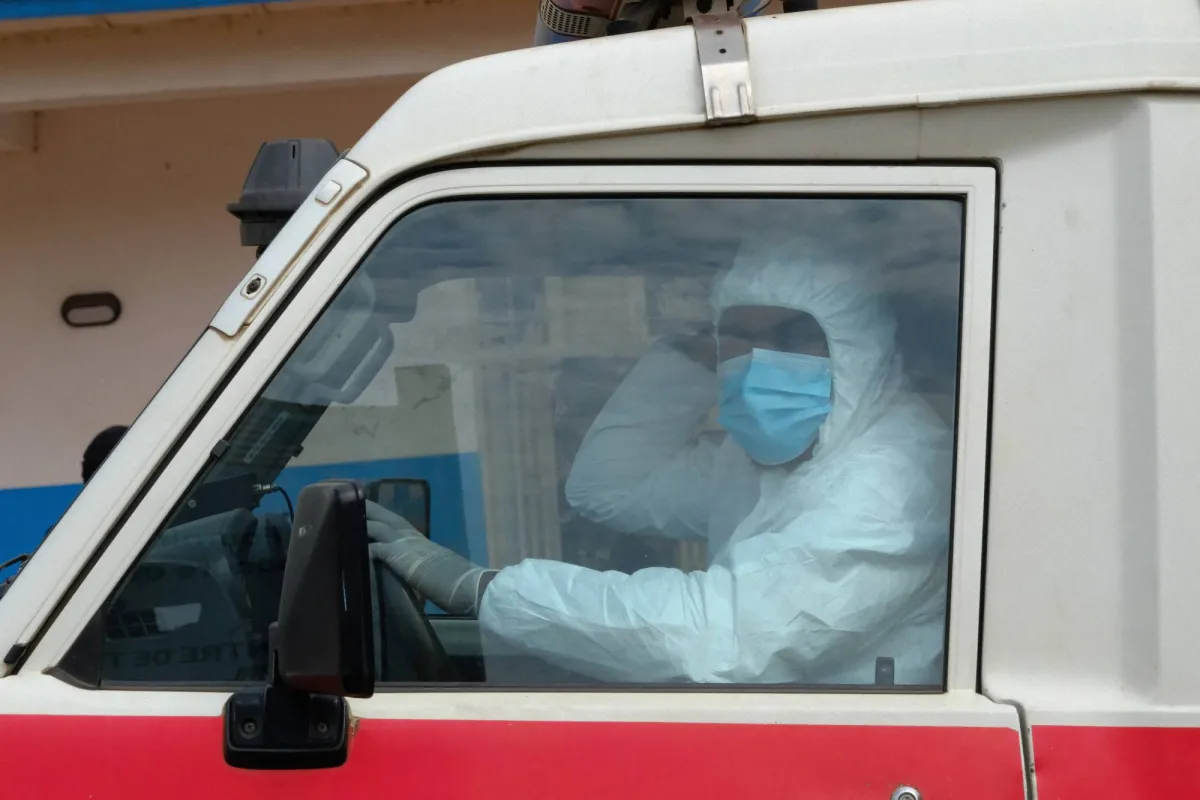
Red Cross: Congo Ebola Epidemic Yet to Peak, May Last a Year – Asharq Al-Awsat English
The Red Cross warns that the Ebola epidemic in the Congo has not yet reached its peak and could persist for up to a year. According to health authorities and international reports, the outbreak has confirmed 782 cases and 181 deaths, with the virus now spreading into two new health zones.
What is the current status of the Ebola outbreak in Congo?
Health authorities in the Congo have confirmed 782 cases of Ebola, with 181 deaths reported to date, according to data provided by ndtv.com. The situation has escalated rapidly, with The Hindu reporting a large daily jump in new cases just one month after the outbreak was officially declared. This surge indicates that the virus is moving faster than initial containment efforts could manage.
The geographic footprint of the virus is also expanding. Reuters reports that the epidemic has now entered two new health zones, increasing the risk of community transmission in areas that were previously unaffected. This expansion complicates the logistics of contact tracing and the deployment of medical personnel.
Key figures from the current crisis include:
| Metric | Confirmed Figure | Source |
|---|---|---|
| Confirmed Cases | 782 | Reuters / ndtv.com |
| Confirmed Deaths | 181 | ndtv.com |
| New Health Zones Affected | 2 | Reuters |
| Projected Duration | Up to 1 year | Red Cross / Asharq Al-Awsat |
Why does the Red Cross believe the epidemic will last a year?
According to reports from Asharq Al-Awsat English, the Red Cross indicates that the epidemic is yet to peak. The projection that the crisis may last a year is based on the current rate of infection and the challenges associated with controlling the spread in volatile regions. When a virus enters new health zones, as reported by Reuters, the timeline for eradication resets because health workers must establish new containment perimeters and build trust within new communities.
The duration of an Ebola outbreak is typically tied to the speed of “breaking the chain” of transmission. The Red Cross’s warning suggests that the chain remains active and is potentially growing. Factors contributing to this extended timeline include:
- Rapid Case Spikes: The “large daily jump” noted by The Hindu suggests the virus is spreading through clusters that are not yet identified.
- Geographic Expansion: Moving into new health zones requires additional infrastructure, such as treatment centers and isolation wards.
- Community Resistance: In previous outbreaks, mistrust of medical interventions has delayed the identification of cases, a factor that often extends the life of an epidemic.
What makes this specific Ebola strain and outbreak different?
Sky News reports that this is the largest ever outbreak of a rare strain of the virus. This rarity complicates the response because medical protocols and vaccine efficacy may differ from those used in more common Ebola outbreaks. Furthermore, Sky News suggests that the actual number of cases is likely even greater than the official count of 782, as many infections may go unreported in remote areas.

The most critical development reported by Sky News is the collapse of the “first line of defence.” In epidemiological terms, the first line of defence refers to the primary screening, community surveillance, and immediate isolation protocols that prevent a localized cluster from becoming a regional epidemic. When this system collapses, the virus moves unchecked from person to person, making the outbreak significantly harder to map and contain.
The rarity of the strain adds a layer of scientific urgency. Rare strains often require specific genomic sequencing to ensure that diagnostic tests are accurate. If the tests are calibrated for a different strain, “false negatives” can occur, allowing infected individuals to return to their communities and further spread the disease.
How is the collapse of the health defense system impacting containment?
The collapse of the first line of defence, as identified by Sky News, means that the primary barriers between the virus and the general population have failed. This failure typically manifests in several ways:
- Failure in Contact Tracing: When the first line of defence fails, health workers cannot identify every person an infected patient has touched, leading to “hidden” chains of transmission.
- Overwhelmed Treatment Centers: A sudden jump in daily cases, as reported by The Hindu, can lead to the saturation of Ebola Treatment Units (ETUs), where the quality of care drops and the risk of nosocomial (hospital-acquired) infections increases.
- Delayed Reporting: If community surveillance is broken, cases are only reported once they reach a critical, often fatal, stage, by which time the patient has already infected others.
This systemic failure explains why the Red Cross expects the epidemic to last a year. Without a functional first line of defence, the response shifts from “containment” (stopping the spread) to “mitigation” (slowing the spread), which is a much slower and more resource-intensive process.
What are the broader implications for the region?
The expansion of the virus into two new health zones, as confirmed by Reuters, suggests a potential for regional instability. Ebola outbreaks do not happen in a vacuum; they interact with the existing political and social climate of the Congo. The movement of people—whether for trade, displacement due to conflict, or seeking medical help—can carry the virus across borders or into densely populated urban centers.
The economic impact is also significant. When health zones are quarantined or when fear of the virus prevents people from attending markets, local economies stall. The Red Cross’s projection of a year-long battle suggests a prolonged period of economic disruption and a sustained need for international humanitarian aid.
There is also a risk of “healthcare displacement.” As resources are diverted to fight the Ebola epidemic, other critical health services—such as vaccinations for measles or treatment for malaria—may be neglected. This often leads to a secondary health crisis where more people die from preventable diseases than from the Ebola virus itself.
Comparing official data and field reports
There is a notable tension between the official figures and the reports from the field. While health authorities and outlets like ndtv.com and Reuters cite 782 confirmed cases, Sky News explicitly states that the outbreak is “likely even greater.”
This discrepancy is common in large-scale epidemics for several reasons:
- Testing Capacity: Official numbers only include “confirmed” cases. If there aren’t enough testing kits or labs in the new health zones, many suspected cases remain “probable” but not “confirmed.”
- Accessibility: In remote regions of the Congo, patients may die at home without ever being seen by a health official.
- Fear of Stigma: Families may hide the sick or bury the dead in secret to avoid the stigma associated with Ebola or the forced isolation of their loved ones.
By contrasting these viewpoints, it becomes clear that the 782 figure should be viewed as a minimum baseline rather than a total count. This reinforces the Red Cross’s warning that the peak is still ahead.
Summary of Key Crisis Factors
- The Virus: A rare strain, largest outbreak of its kind, potentially undercounted.
- The Timeline: Yet to peak; projected to last up to 12 months.
- The Geography: Spreading into two additional health zones.
- The System: Primary defense mechanisms have collapsed, hindering containment.
Frequently Asked Questions
How many people have been affected by the Congo Ebola outbreak?
According to health authorities reported by Reuters and ndtv.com, there are 782 confirmed cases and 181 confirmed deaths. However, Sky News reports that the actual number of infections is likely higher than official records indicate.
Why is the Red Cross warning that the epidemic may last a year?
The Red Cross believes the epidemic is yet to peak and may last a year due to the rapid jump in daily cases, the spread into new health zones, and the collapse of the first line of health defense, which slows down containment efforts.
What is a “rare strain” of Ebola and why does it matter?
A rare strain is a version of the virus that is not commonly seen in typical outbreaks. As reported by Sky News, this is the largest outbreak of such a strain. It matters because it can affect how the virus spreads, how patients respond to treatment, and the accuracy of diagnostic tests.
Which areas are currently affected by the virus?
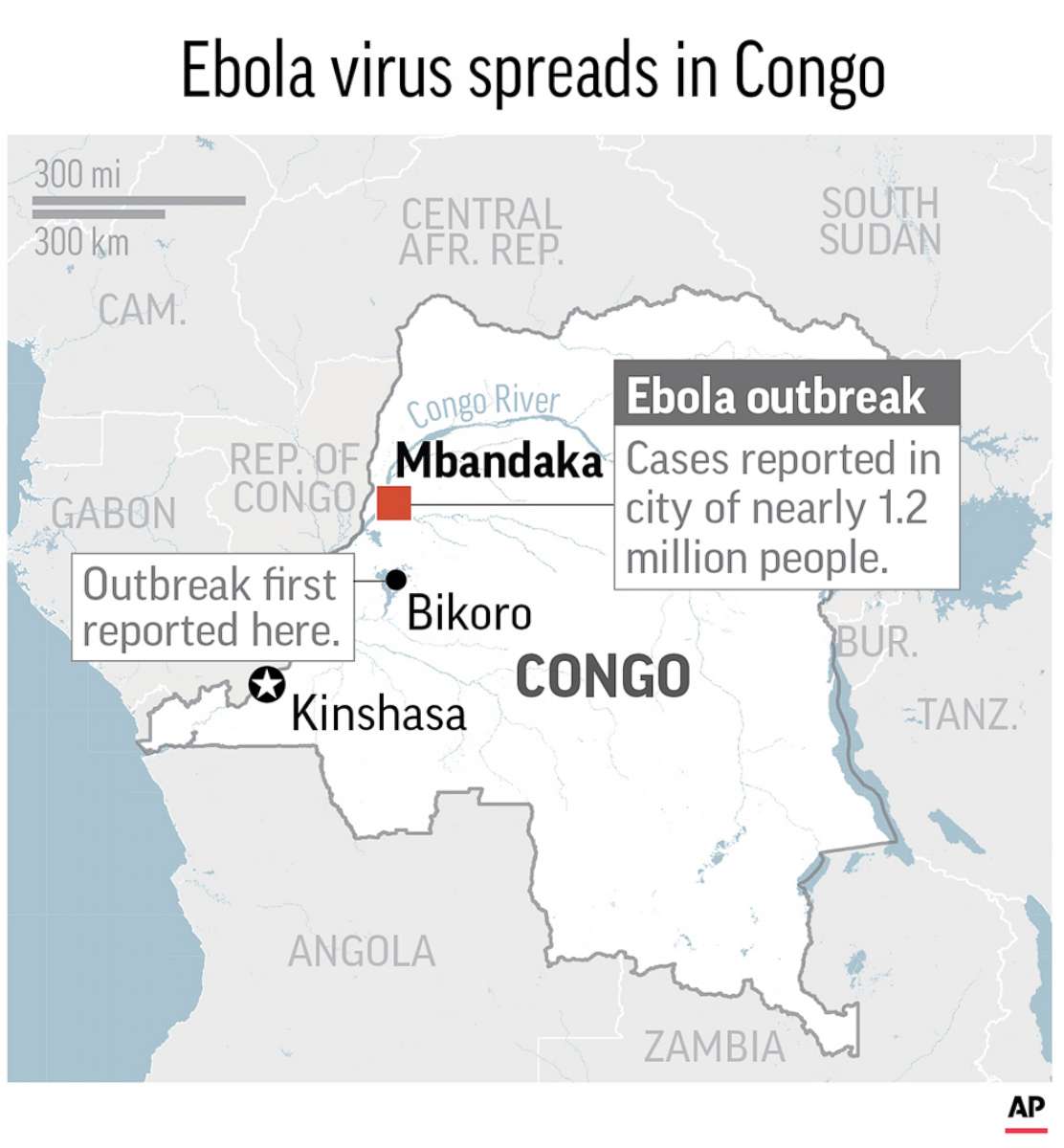
While the outbreak started in specific regions, Reuters reports that the virus has now expanded into two new health zones, indicating a widening geographic spread within the Congo.
What happens when the “first line of defence” collapses during an outbreak?
When the first line of defence collapses, the primary systems for screening, community surveillance, and immediate isolation fail. This allows the virus to spread undetected through the community, making it much harder for health workers to track and stop the transmission chains.
The current trajectory of the Ebola epidemic in the Congo suggests a prolonged struggle. With the Red Cross projecting a year-long timeline and the collapse of primary defenses, the focus now shifts toward stabilizing the new health zones and scaling up diagnostic capabilities to find the “hidden” cases that Sky News suggests are fueling the fire. The international community’s ability to support these efforts will likely determine whether the peak is manageable or catastrophic.
