UCLA researchers develop chemical process to convert mixed plastic into hydrogen
A new chemical process converts mixed plastic waste into high-purity hydrogen fuel by eliminating the need for sorting. This research offers a potential route for waste reduction and energy production.
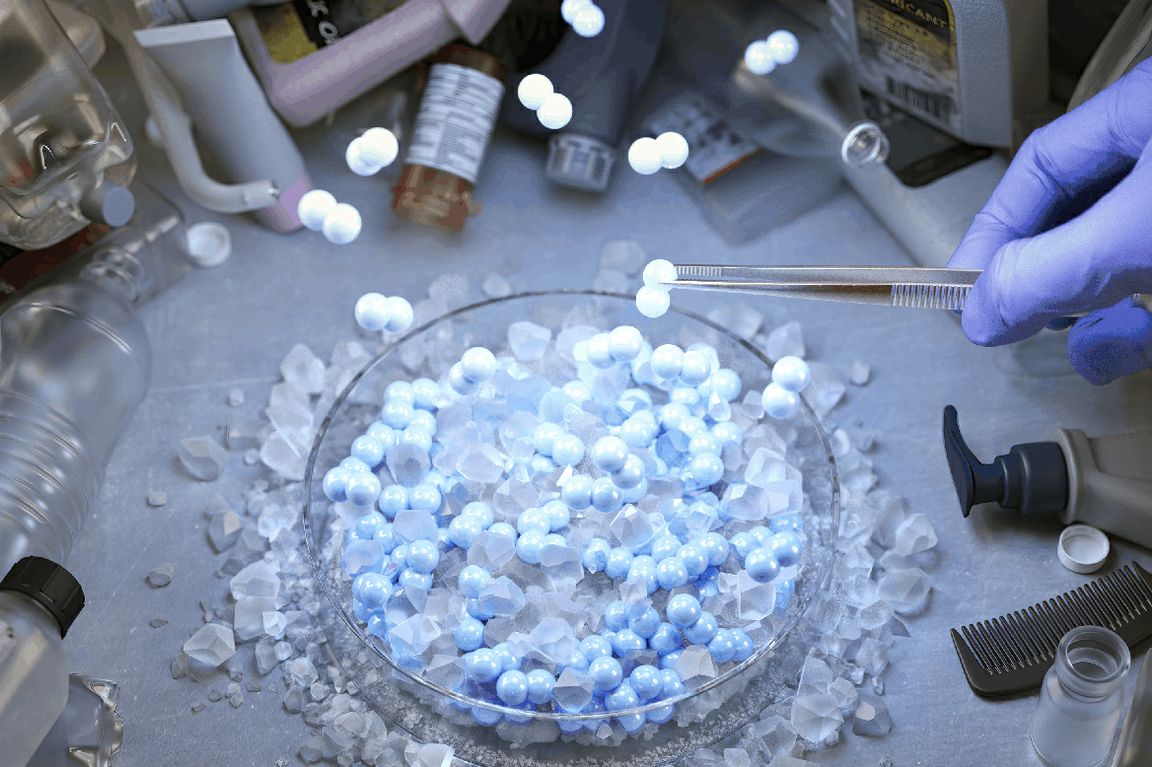
Researchers have introduced a chemical process capable of converting mixed plastic waste directly into high-purity hydrogen fuel. The development, co-led by the UCLA Samueli School of Engineering and Ewha Womans University, addresses a long-standing bottleneck in waste management: the requirement to sort plastics by type before recycling. This study, published in Proceedings of the National Academy of Sciences, provides a potential new route for waste reduction and energy production.
Most discarded plastic—estimated at 79%—is currently destined for landfills, with only 9% recycled and 12% incinerated. Traditional recycling is frequently hindered by the labor and costs associated with sorting materials. The new method, known as alkaline thermal treatment (ATT), allows for the processing of polyethylene terephthalate (PET), polyethylene (PE), and polypropylene (PP) in a single reactor.
Related media
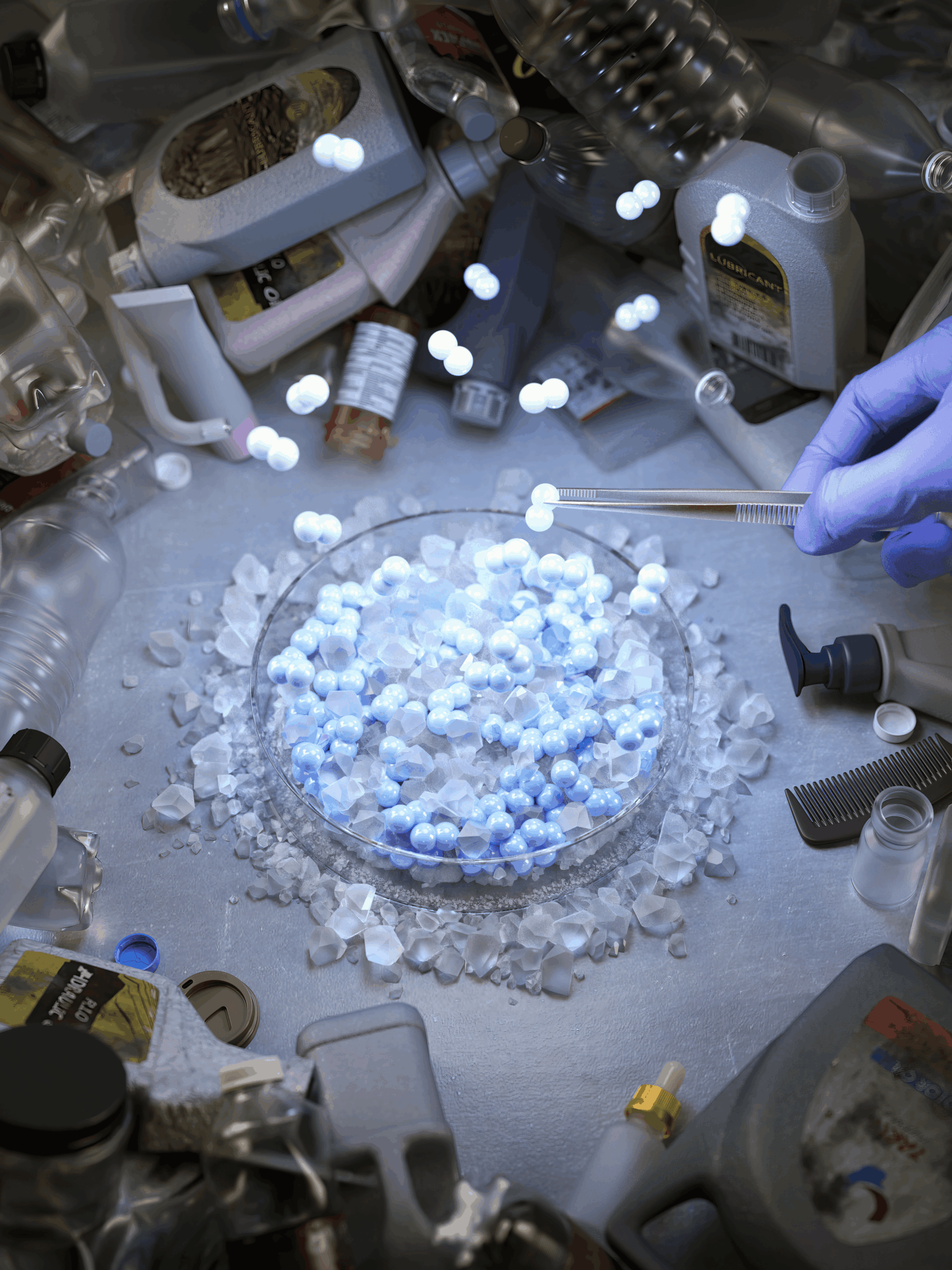
The Alkaline Thermal Treatment Process
The ATT process utilizes sodium hydroxide to react with organic material under heat to generate hydrogen. According to the research team, this approach produces hydrogen with purities exceeding 90%. A significant advantage of this method is its ability to operate at temperatures 300–400 degrees Celsius lower than those required for conventional steam gasification, reducing the energy intensity of the conversion.
A primary challenge addressed by the team involved the chemical structure of common plastics. While PET contains oxygen, PE and PP are composed of carbon-hydrogen bonds, rendering them chemically inert under alkaline conditions. To overcome this, the researchers implemented a thermal oxidation pretreatment. By exposing the plastics to mild heat in air before the main reaction, the team introduced oxygen-containing functional groups into the polymer chains, creating reactive sites for the alkaline treatment.
"We are solving two urgent global problems at the same time. Plastic waste is accumulating at alarming rates, and clean hydrogen is essential for decarbonizing energy. This technology tackles both of these challenges in a creative and scalable way."
Ah-Hyung "Alissa" Park, the Ronald and Valerie Sugar Dean of UCLA Samueli and a professor of chemical and biomolecular engineering, via UCLA Newsroom
The process also provides a pathway for carbon management. Instead of releasing carbon dioxide during the reaction, the carbon is captured by the sodium hydroxide reagent, forming solid sodium carbonate. Data indicate that more than 75% of the original plastic carbon is recovered as stable carbonate or liquid organic residues, with less than 13% appearing in gaseous form. The resulting sodium carbonate can subsequently be transformed into calcium carbonate, a mineral utilized in various carbon-intensive industries.
"By reducing the sorting costs and process complexity that have been major barriers to commercialization, this technology has the potential to become a next-generation core technology that supports both the hydrogen economy and the circular economy," Kim said.
Broader Context in Hydrogen Research
While the UCLA and Ewha Womans University team focuses on alkaline thermal treatment, other scientific institutions are pursuing different pathways to convert waste into energy. Researchers from the University of Cambridge have developed a solar-powered reactor capable of converting plastic waste into hydrogen fuel. Unlike lab-scale demonstrations, the Cambridge project has undergone testing outside of controlled environments, with prototypes reaching approximately one square meter in size.
| Feature | Alkaline Thermal Treatment (UCLA/Ewha) | Solar-Powered Reactor (Cambridge) |
|---|---|---|
| Energy Source | Heat | Sunlight |
| Primary Plastic Focus | PET, PE, PP (Mixed) | Plastic waste |
| Operational Setting | Laboratory experiments | Outdoor field trials |
| Carbon Mitigation | Solid mineral sequestration | Cleaner fuel generation |
What to Watch Next
Despite the potential of these laboratory successes, researchers emphasize that significant hurdles remain for both technologies:
- Economic Viability: Further evaluations are required to determine if the processes can be cost-competitive with existing methods for hydrogen production.
- Scalability: While the technologies have demonstrated functionality at the bench or prototype level, engineers must now prove they can handle industrial volumes of heterogeneous waste.
- Process Optimization: Refining the efficiency of both the thermal and light-driven reactions is essential for future commercial deployment.
As scientists continue to explore these paths for the science of sustainable energy, the immediate goal remains the transition from controlled experimental successes to systems capable of addressing the global accumulation of plastic waste at scale.
Archypedia is dedicated to independent, evidence-backed reporting. This briefing was synthesized from primary source reporting, corroborated across independent newsrooms, and verified against our Editorial Standards.
Transparency record
Evidence behind this report
This report synthesizes 6 distinct sources. Open the source ledger below to compare the underlying coverage.
Prepared under the Archypedia Editorial Policy by the Niko Vale editorial desk profile. AI-assisted tools may support drafting and verification; public accountability remains with Archypedia. Report an error.